Exploring Tucson, AZ
Updated May 25, 2026
Time needed in this town: A Long weekend
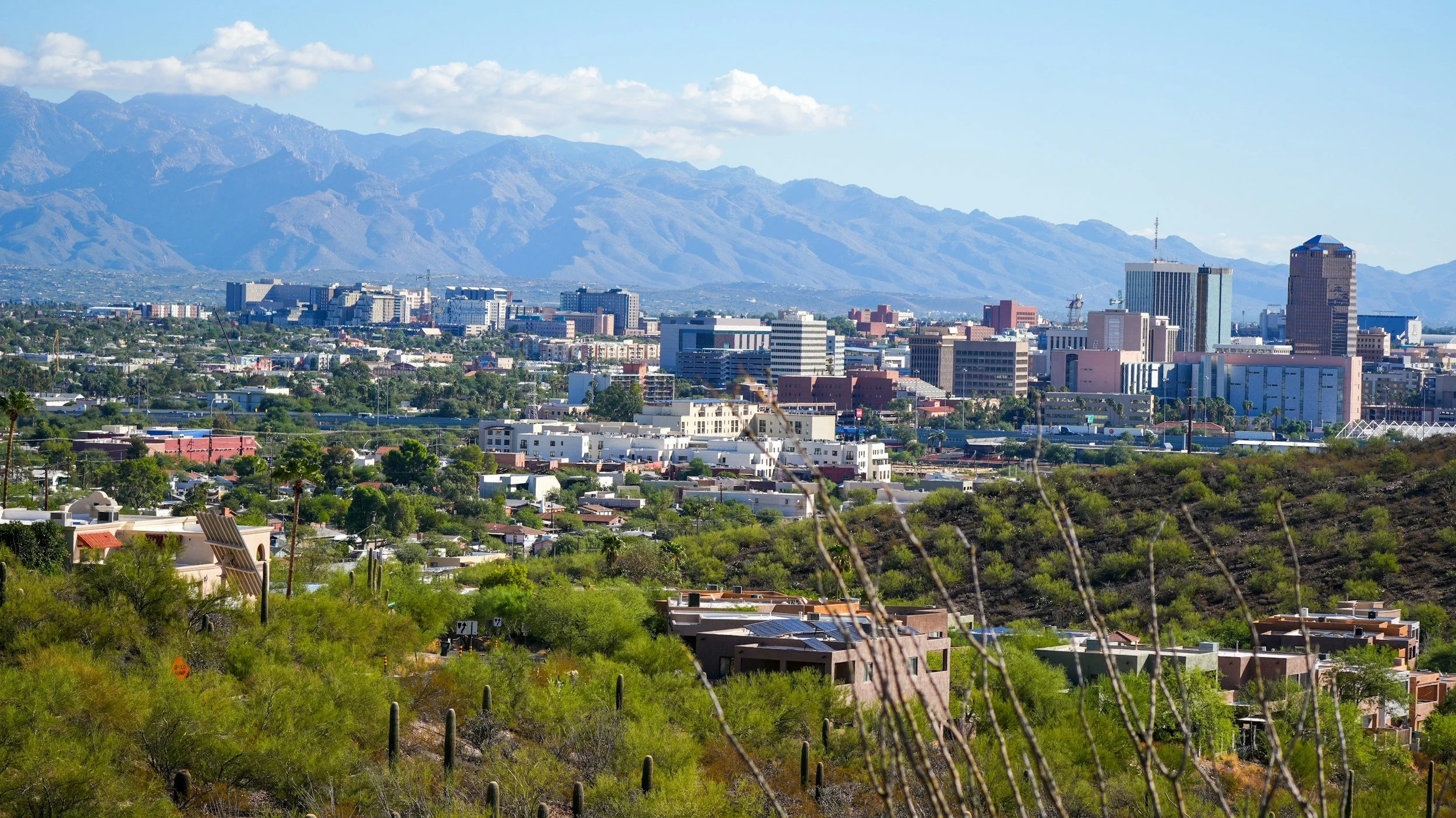
Tucson is a “city” of immense history, including centuries of native American occupation, wars, wild west tales (which inspired hundreds of western movies to be made there), and even some gangster activity. There’s so much to see and do that you need a long weekend (and a lot of energy) to get it all in.
The below information is a complete guide of the best places to stay, the top rated places to dine and drink, and all there is to see and do. We’ve also a summary of the history of this storied city.
Jump To:
Where to Stay
Opened in 2009, the Ritz-Carlton Dove Mountain has been a go-to resort in Tucson for adults, families, and dogs alike. Per their website, “Located 24 miles from downtown Tucson and the Tucson Museum of Art, The Ritz-Carlton Dove Mountain offers a perfect blend of comfort and adventure. Nestled in the scenic Marana, this resort features three outdoor pools with a 235-foot waterslide, a full-service spa, and a 27-hole championship golf course, providing a memorable experience for all guests.”
The resort includes:
Three outdoor pools with a 235-foot waterslide (the spa pool is adults only)
27-hole championship golf course
Full-service spa with therapy baths, steam room, fitness center, and cabana rentals
Hiking and biking trails with stunning views
A bocce court
Four restaurants offering Southwestern specialties and organic cuisine
Some things to note about pricing/fees:
There are great “summer” rates and packages available - they usually run from mid-May until just before Labor Day.
Valet parking is $42 a day - there really isn’t another option.
The resort fee is $68.73 per day (that includes tax)
Food and drink are VERY pricey - especially breakfast and lunch. If you have the ability, use the To-Go coffee and bakery spot next to Core Kitchen & Bar. They are open until 11am everyday.
Other things to note:
We were in room 2805. It was so nice to have a fire pit on our terrace to enjoy (as well as the wildlife that stopped by to say hi). Note that there is a sidewalk that runs the length of the hotel, right in front of the fire pits so during the day, it does not feel as private.
The spa cabana was worth the price tag if you plan on wanting to be outside all day and want to keep cool in between soaking in the sun.
The 50-minute massage will feel rushed but the overall spa experience is worth it. Still, I recommend 80 minutes for full relaxation.
The hotel is going to feel dated. It hasn’t been updated since 2009 and although Core Kitchen & Bar is about to go through a huge renovation (May - October 2026), the rest will remain as is.
OTHER OPTIONS
Hotel Congress - Built in 1919, this hotel has a sordid past with ghosts, gangsters, and tales to tell.
Where to Dine & Drink
Anello
A very small, non-descript pizza place. They do NOT have gluten-free options. TIP: Look for a red bar of light above the window, as there is no signage.
Bar Crisol/Exo
Serving roasted coffee, craft cocktails, regional food items, fresh baked goods and more. They are open daily from 7 AM-3PM and our tasting room opens Wednesday-Saturday evenings from 6 PM to midnight.
Barbata
A European-inspired bar in the basement of Bata.
Barrio Bread
A community-supported bakery that uses only local ingredients to make their James Beard Award-winning bread.
Casa Madre
A premier dinner club open to the public where the only invitation you need is a reservation. They serve elevated souther cuisine.
Cup Cafe
A beloved cafe in the Congress Hotel. They do serve gluten-free bread.
Dedicated. A Gluten-Free Bakery & Coffee Shop
Coffee & pastry shop specializing in gluten-free meals & desserts in casual digs with a patio.
El Charro Cafe
Founded in 1922, it is one of the oldest Mexican restaurants in the U.S.
Gourmet Girls Gluten Free Bakery/Bistro
100% gluten-free bakery & cafe serving breakfast & seasonal American fare in colorful quarters.
IGNITE
Los Milics Vineyards Restaurant
A full-service restaurant and wine tasting room offering elevated lunch and dinner alongside award-winning Arizona wines.
Perché No
Family-owned Italian eatery.
Polo’s Taqueria
Known for the best Tacos Al Pastor in the country.
Rosebud Bakery
They serve a wide variety of from-scratch pastries. They have very little gluten-free options.
The Parish
Southern cuisine
Vivace Restaurante
Serving northern Italian cuisine
Things To See & Do
Arizona History Museum
Celebrate the proud history of southern Arizona by visiting the historic Josias- Joesler-designed Arizona History Museum in Tucson.
Cruise through transportation history with wagons, a buggy, and a 1912 Studebaker car
Experience Arizona history treasures including Spanish colonial silver, decorative art, and Old West firearms
Walk through a replica of an underground mine
Discover the stories and artifacts of Geronimo and Wyatt Earp
Arizona-Sonora Desert Museum
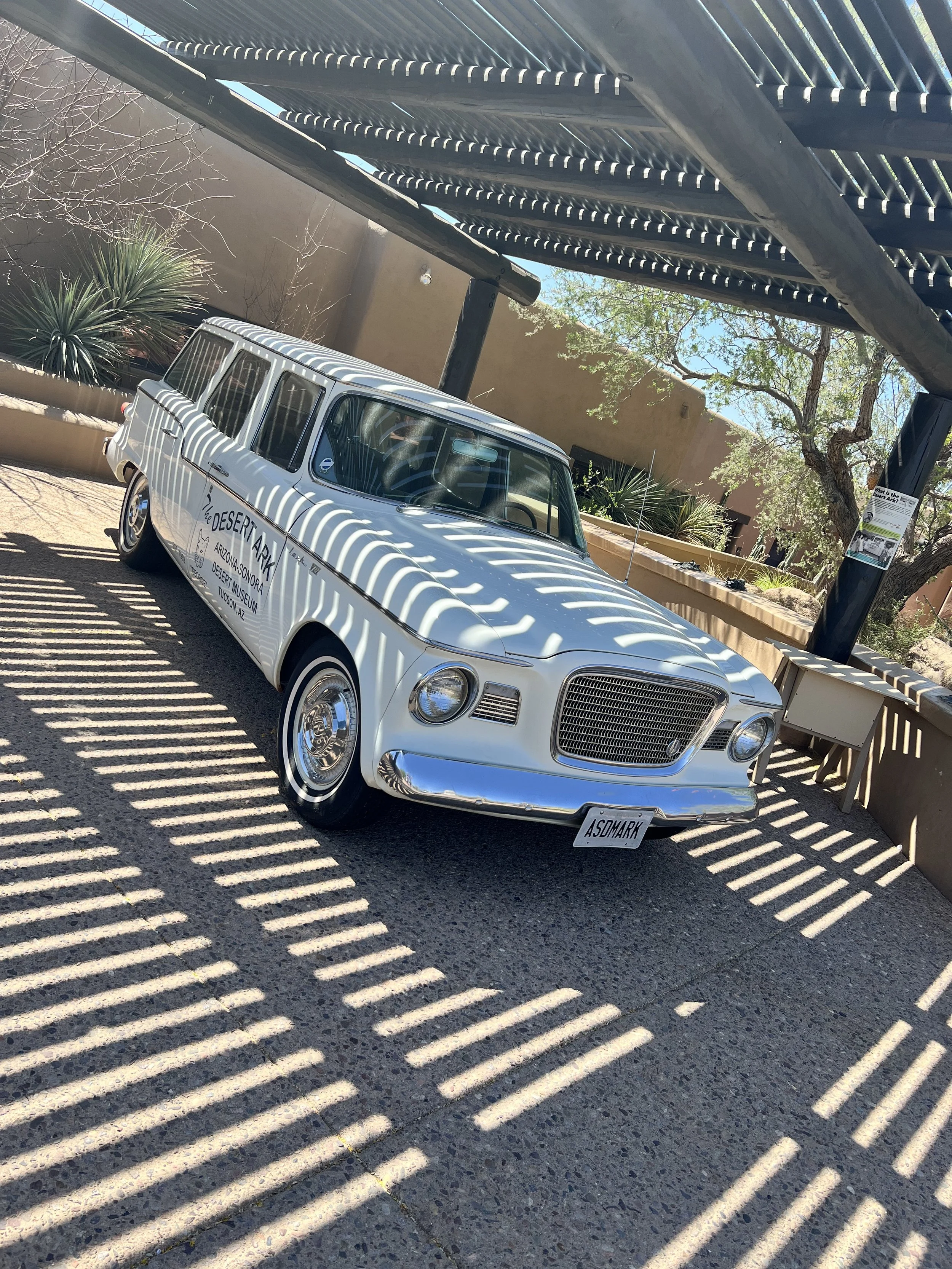
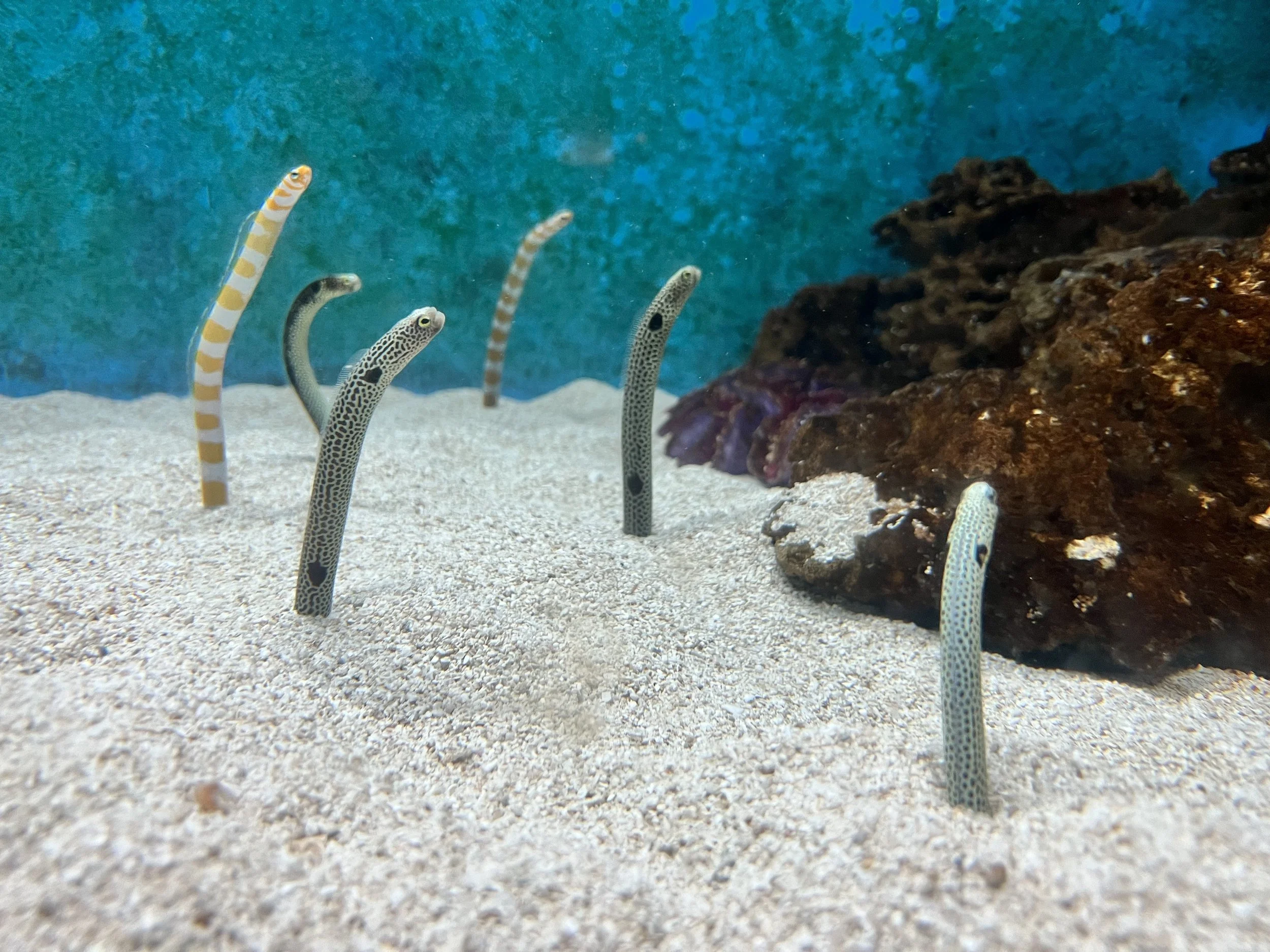
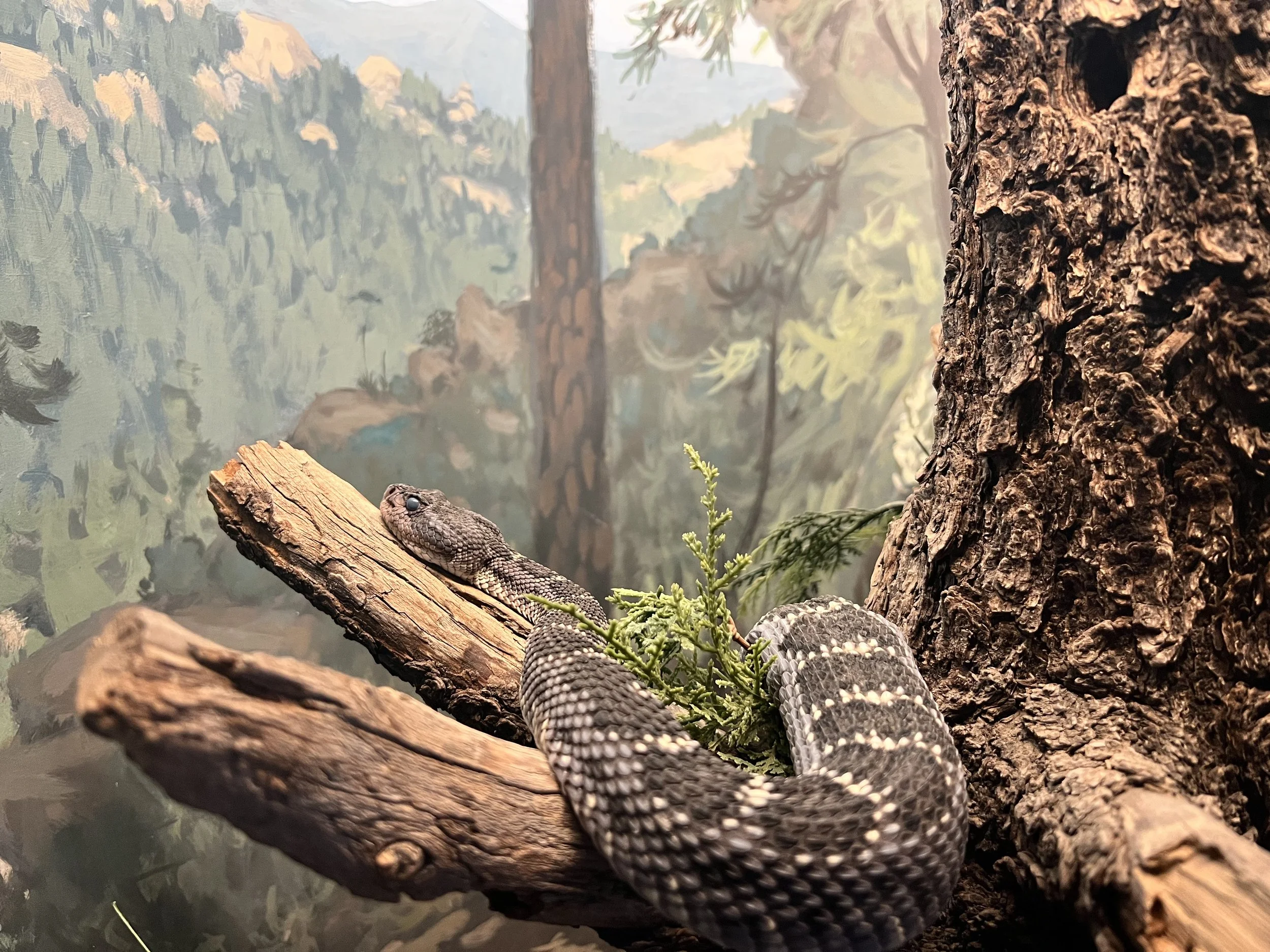
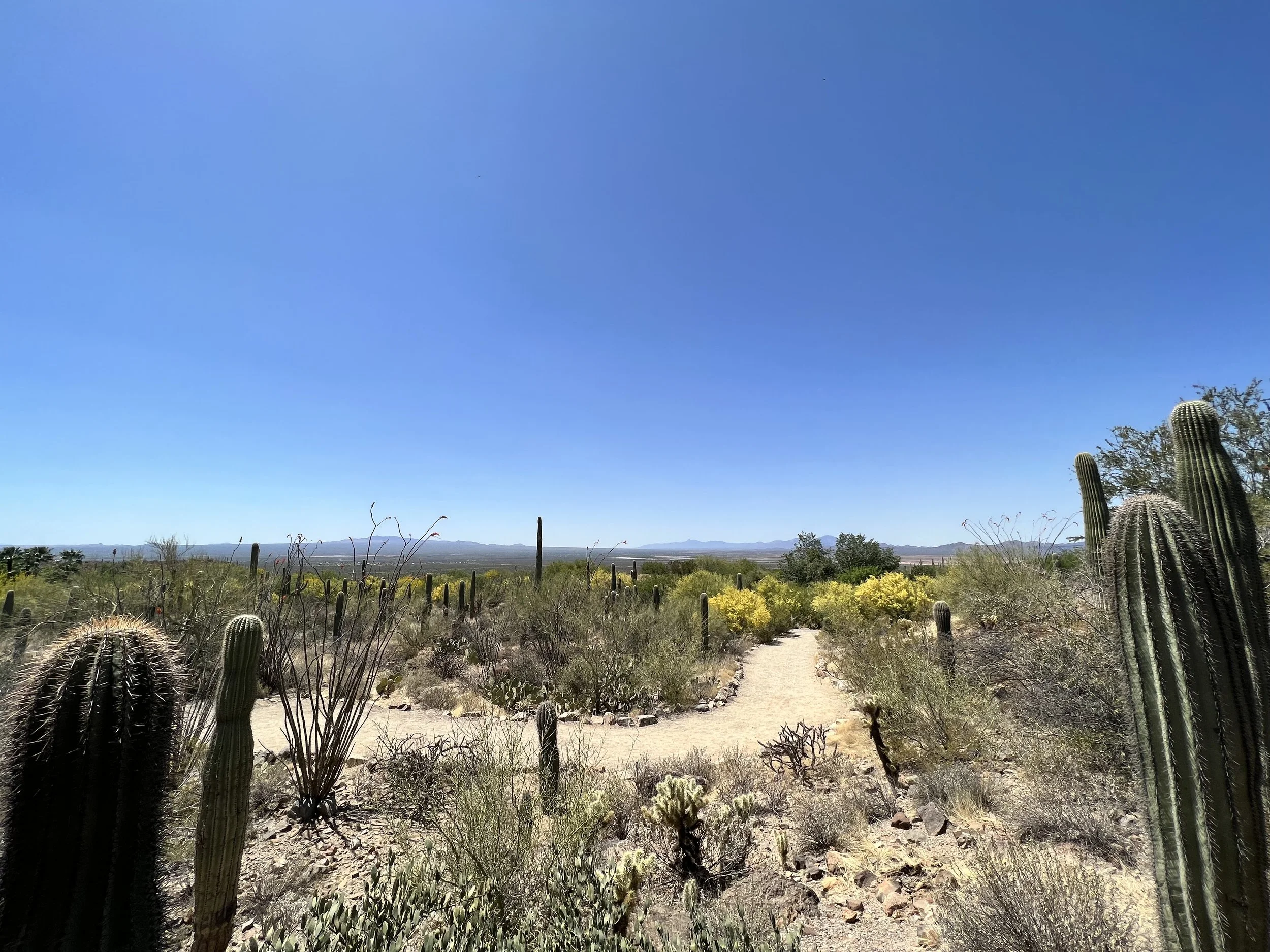
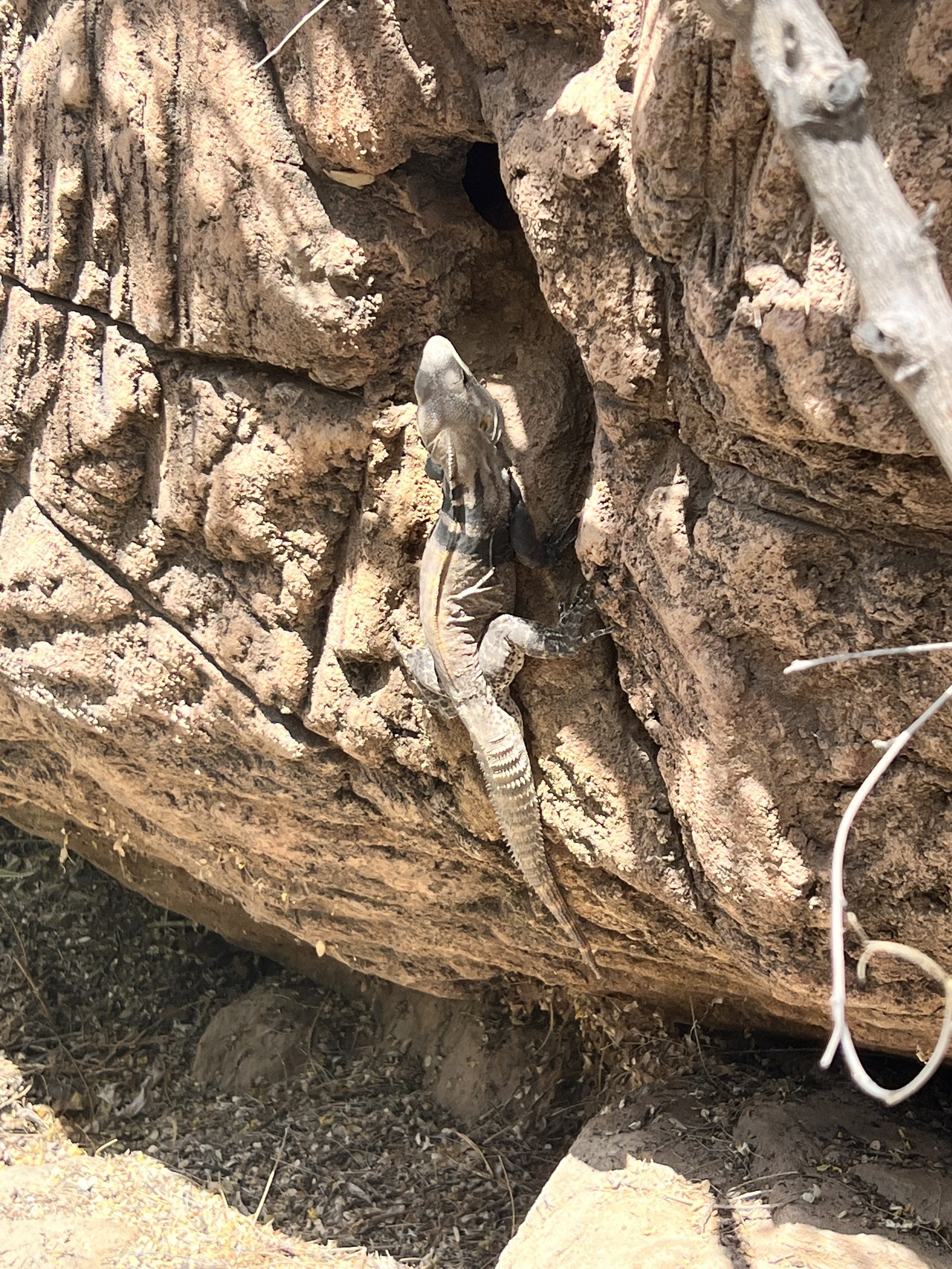
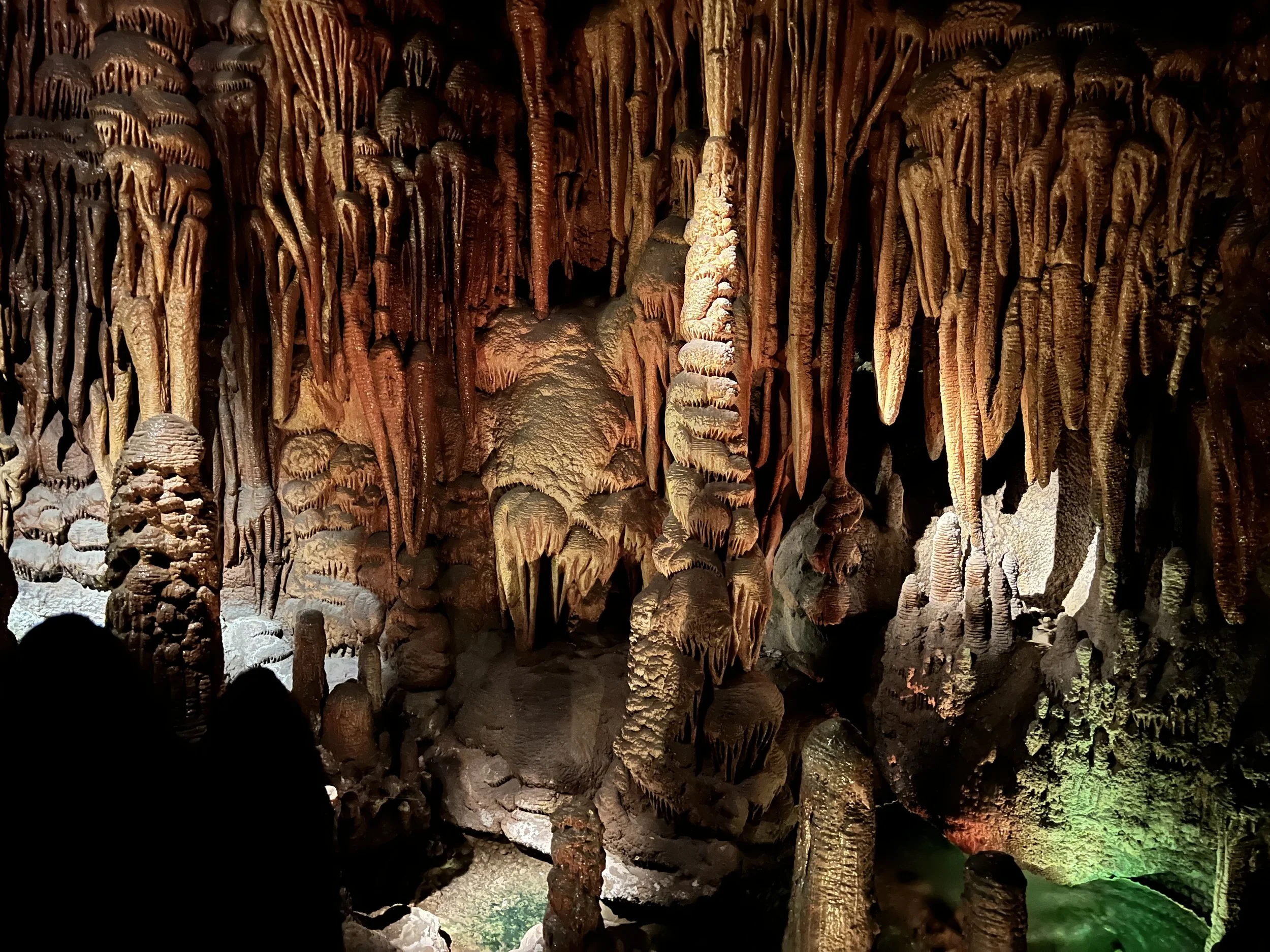
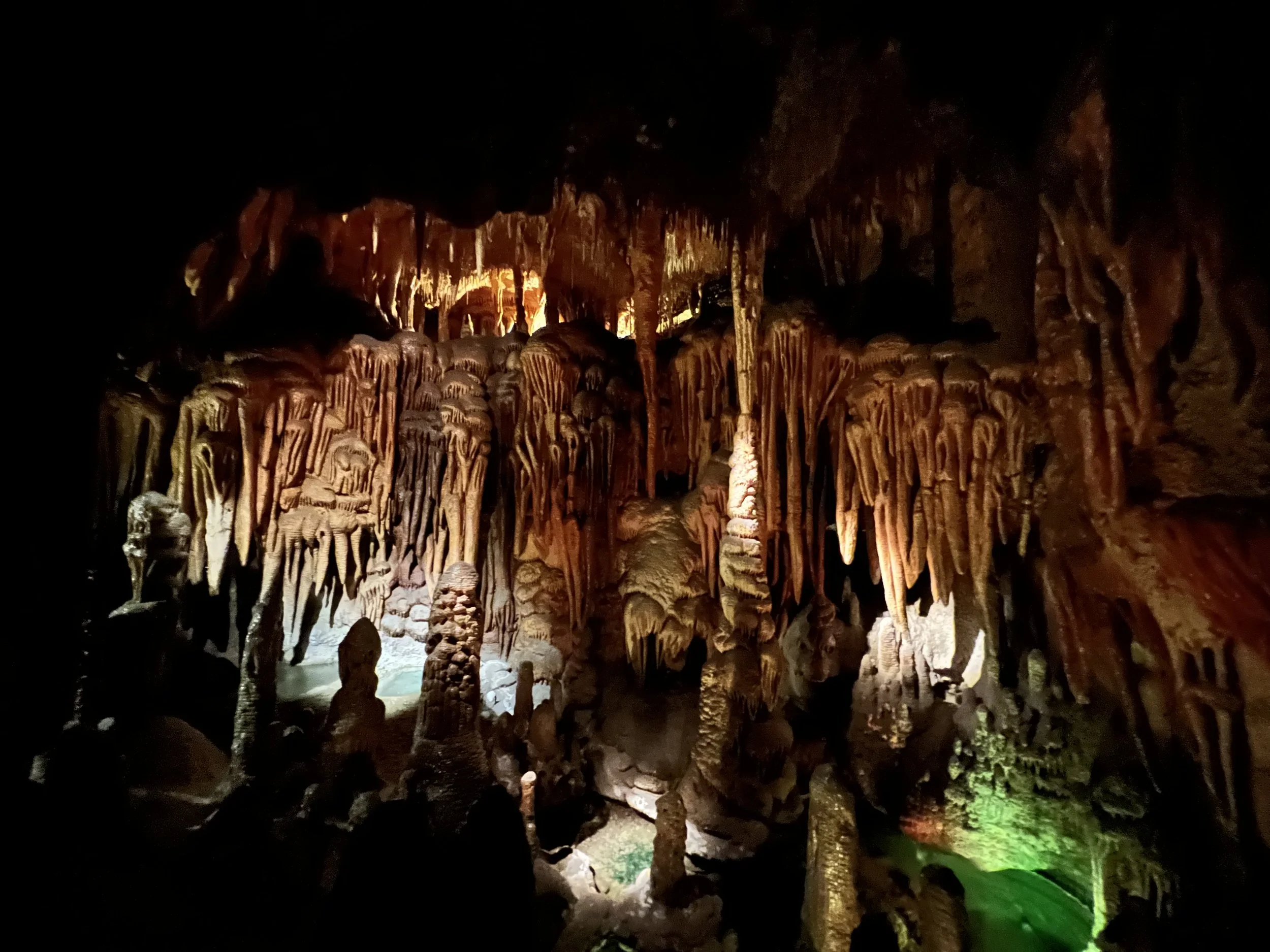
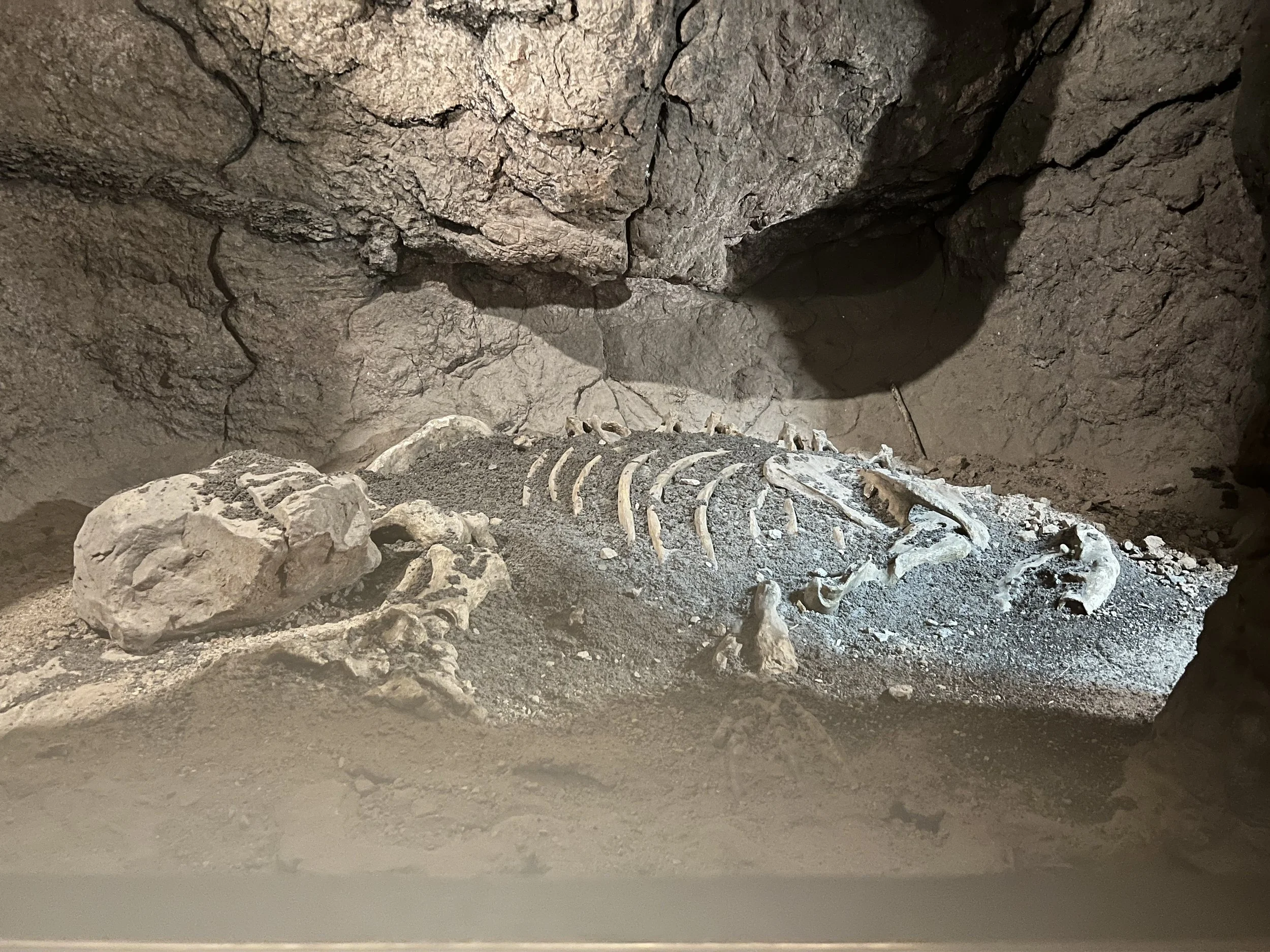
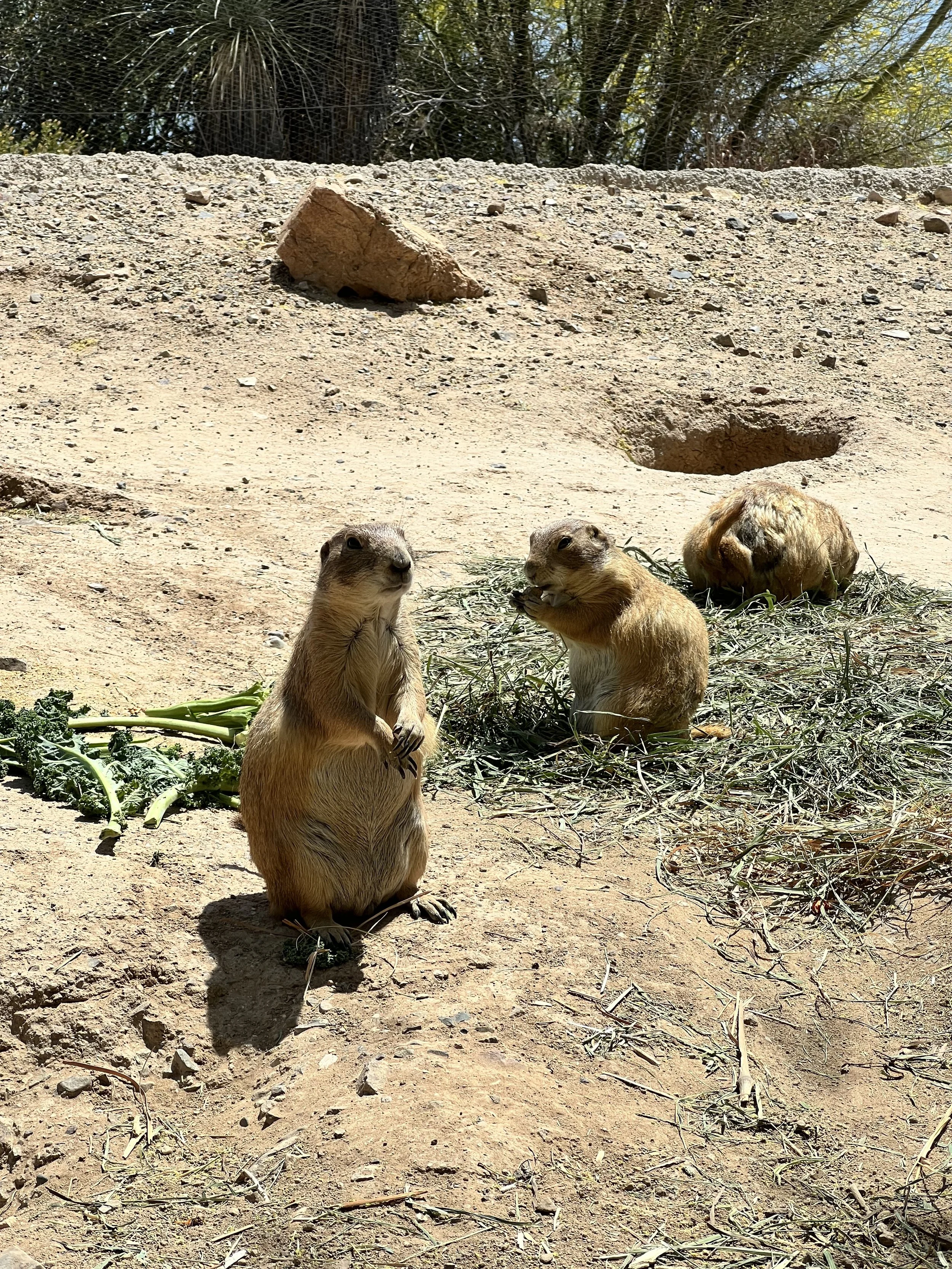
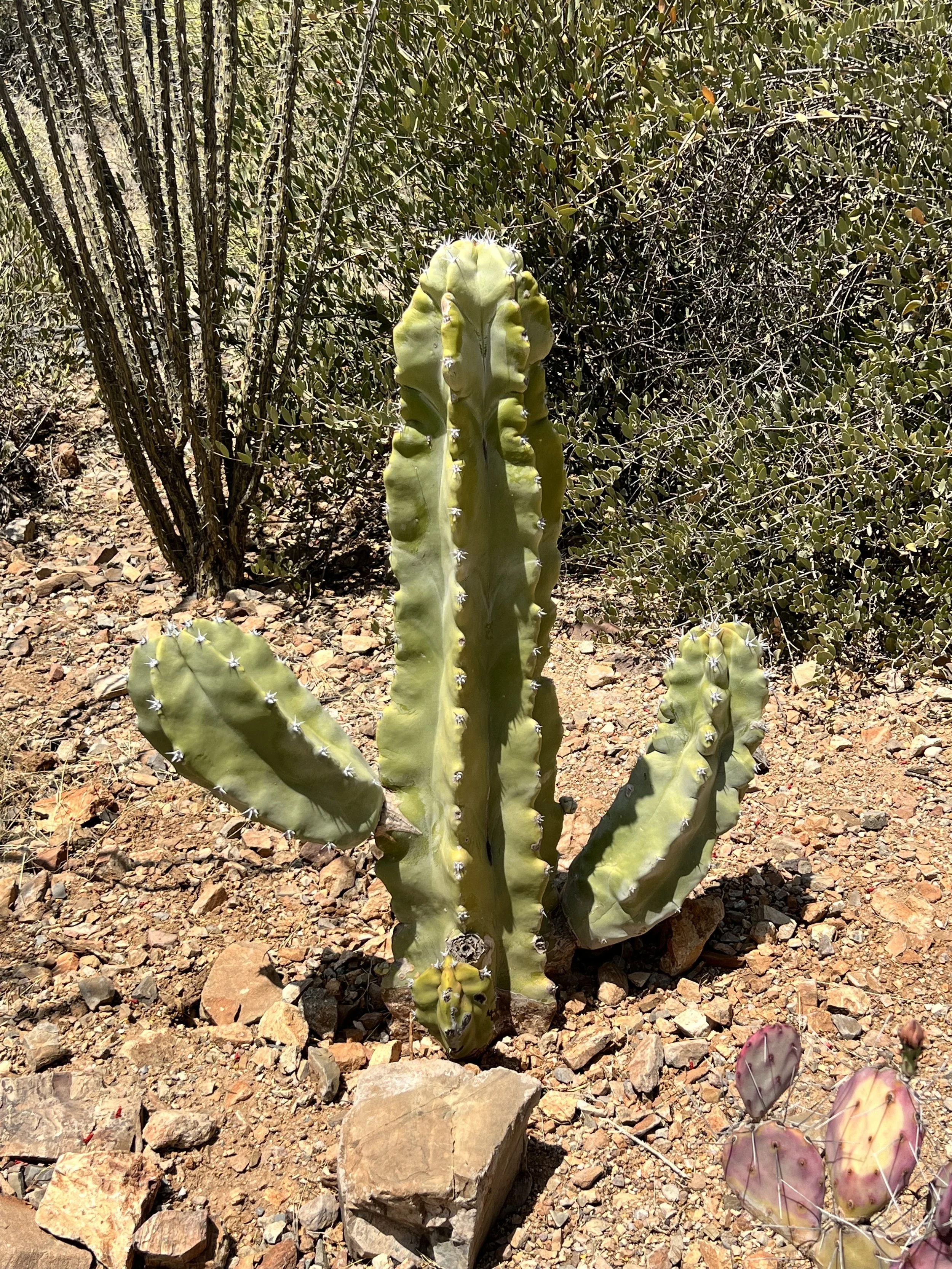
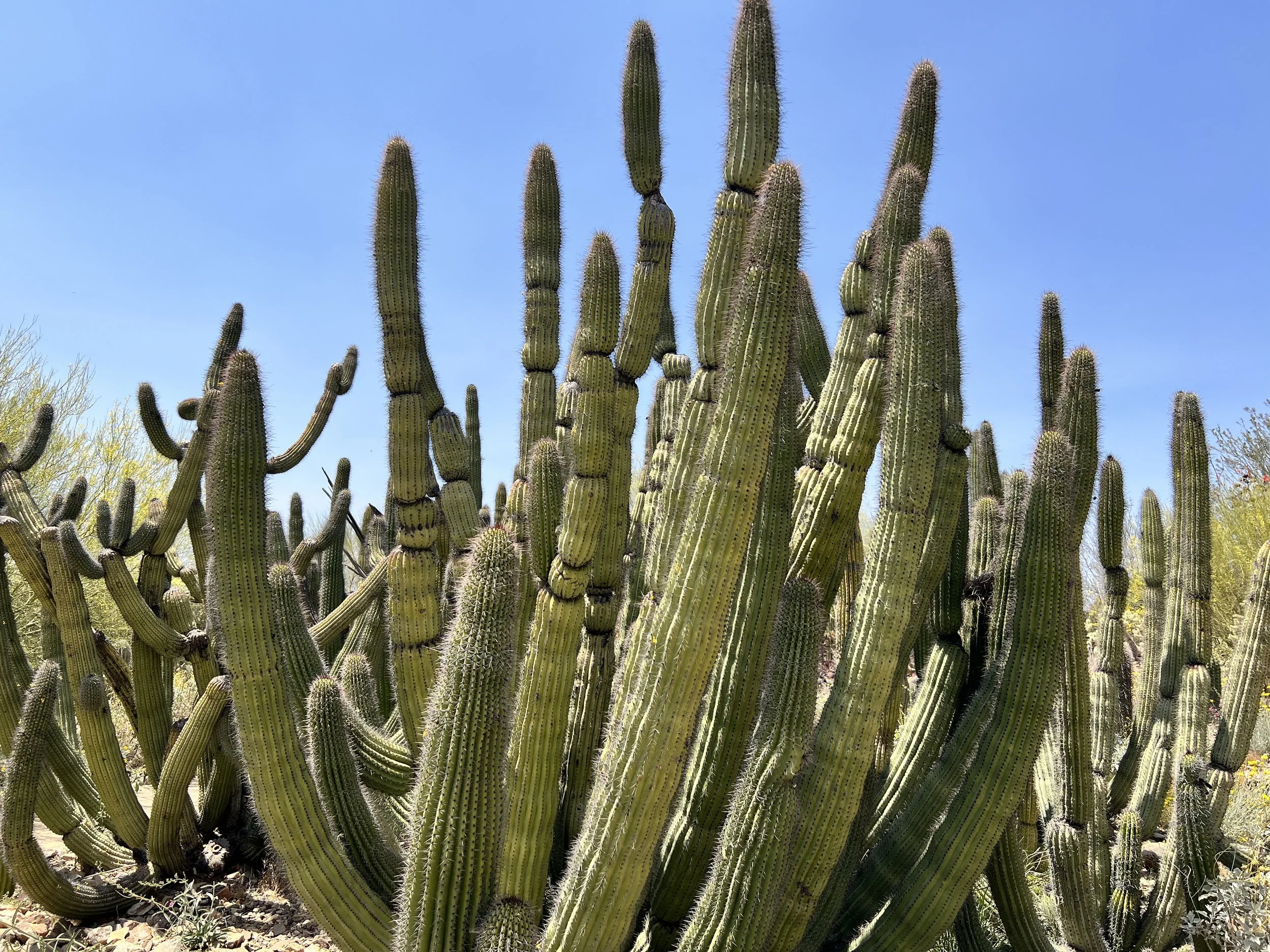
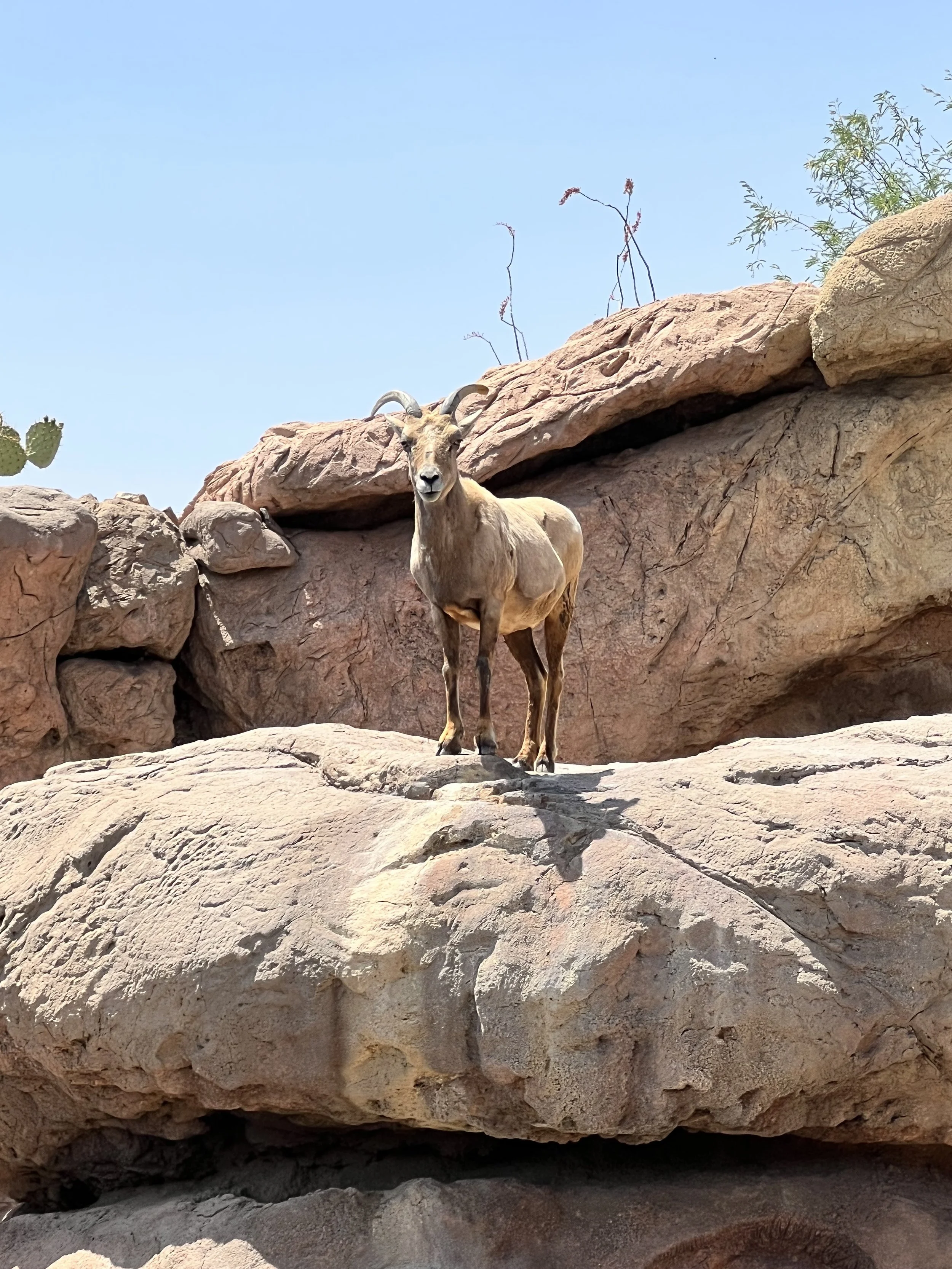
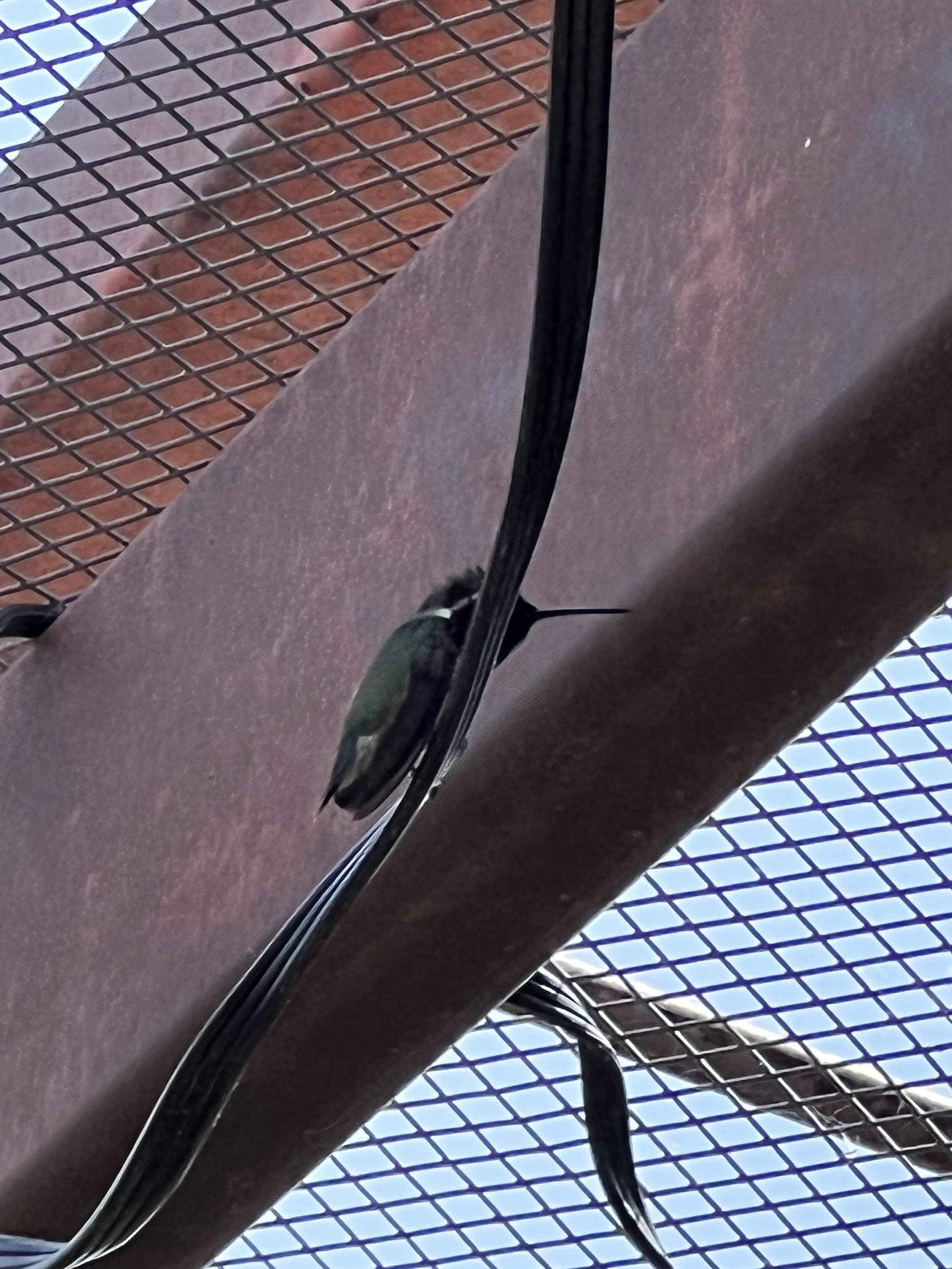
The Desert Museum is part zoo, part botanical garden, art gallery, natural history museum, and aquarium. It’s a fantastic way to spend a day with so much to do!
Barrio Viejo
Experience the rich history of Tucson on the one-mile Barrio Viejo (old neighborhood) Walking Tour, which goes through the largest collection of Sonoran Row houses in the United States. For over 100 years, Barrio Viejo was the heart of Tucson’s social, economic, and cultural life. On this 90-minute walking tour, your tour guide Mauro Trejo will discuss the history of the neighborhood, its architecture, and the individuals, businesses, and cultures that meet there.
Biosphere 2 (Oracle - 30 minute drive)
In the late 1800s, the Biosphere 2 property was part of the Samaniego CDO Ranch, which grew as the town of Oracle did. Nearly 50 years later, the ranch was sold to a Canadian dentist who then ran it as both a cattle farm and hunting lodge, from the 1920s - 1950s. When he passed, it was sold to Lady Margaret, Countess of Suffolk, who built a Spanish-style adobe home, servants' quarters, and a pool on the property. She lived there until her death in 1968 after which Motorola purchased the property and built both casitas and a conference center. In 1984, Space Biospheres Ventures bought the property and began construction of the current $150m facility two years later, aimed at research and development of self-sustaining space-colonization technology. It included forests, deserts, laboratories, recycling systems, pigs, chickens, hummingbirds, bush babies, and even a coral reef. The University of Arizona assumed it in 2011 and is still used as a major scientific laboratory and educational center focused on global ecology, climate change, and earth sciences.
What It’s Famous For
If you remember the movie Bio Dome (though not filmed at the Biosphere 2) then you know the premise of what happened within Biosphere 2. Two missions, between 1991 and 1994, sealed “Biospherians” inside the glass enclosure to measure survivability. Unfortunately, low oxygen levels, coupled with dwindling food supply and a bit of hysteria, ended both experiments early. To read first-hand accounts of what it was like, click here.
Is It Worth Touring?
It was actually a great way to spend an hour! We toured the various areas within the domes, explored some of the outside areas, and learned a lot more about the work being done today!
Garden of Gethsemane
A man named Felix Lucero lay injured on a battlefield in France during WWI. He plead with God that if he survived, he’d use his skills as a sculptor to create religious statues. In the late 1930s, he lived in Tucson, in a shack beneath a bridge and kept good on his word.
Lucero spent years crafting detailed biblical scenes (such as the Last Supper, Joseph and Mary, and Jesus on a crucifix) out of sand and debris from the Santa Cruz River, which he then coated in plaster. He did this until he died in 1951. Unfortunately, vandals took to desecrating these statues for nearly 30 years before they were moved to a sculpture garden, very near the bridge Lucero once lived beneath.
Kitt Peak National Observatory
The Kitt Peak National Observatory (KPNO) is a United States astronomical observatory located on Kitt Peak of the Quinlan Mountains about 55 mi. west-southwest of Tucson. With more than 20 optical and two radio telescopes, it is one of the largest gatherings of astronomical instruments in the Earth's northern hemisphere.
Kitt Peak National Observatory was founded in 1958 and is home to what was the largest solar telescope in the world, and many large astronomical telescopes of the late 20th century in the United States. The observatory was administered by the National Optical Astronomy Observatory (NOAO) from the early 1980s until 2019, after which it was overseen by NOIRLab.
In June 2022, the Contreras Fire led to the evacuation of Kitt Peak. The fire reached the summit at 2 a.m. on Friday, June 17. Four non-scientific buildings, including a dormitory, were lost in the fire.
Mini Time Machine Museum of Miniature
The Mini Time Machine was created from the imagination and dedication of Founders, Patricia and Walter Arnell. Pat’s fondness for miniatures began in the 1930’s, when as a young girl, she received her first miniatures—a set of Strombecker wooden dollhouse furniture. It wasn’t until the Arnells moved to Tucson in 1979 that Pat began collecting in earnest. The Arnell’s became very active in the miniature community becoming recognized members and supporters of important organizations such as NAME (National Association of Miniature Enthusiasts) and IGMA (International Guild of Miniature Artisans). The collection grew, and the Arnells dreamed of a way to share it with more people. They envisioned an interactive space where the entertaining and educational aspects of the collection could be enjoyed by everyone—a place that would be enchanting, magical and provide a rich sensory experience.
The concept of “the mini time machine” was born out of the notion that a visitor would be seemingly transported to different eras by the stories and history of the pieces in the collection.
The Mini Time Machine Museum of Miniatures is a 501(c)(3) board-only nonprofit organization, classified as a private foundation with a long term goal of achieving public charity status. All proceeds from every sale, including admission, membership and merchandise go towards funding the museum’s operations.
The museum is dedicated to all who participate in the world of miniatures.
Mission San Xavier del Bac
Mission San Xavier del Bac is a historic Spanish Catholic mission located about 10 miles south of downtown Tucson, on the Tohono O'odham Nation San Xavier Indian Reservation. The mission was founded in 1692 by Padre Eusebio Kino in the center of a centuries-old settlement of the Sobaipuri O'odham, a branch of the Akimel or River O'odham, located along the banks of the Santa Cruz River. The mission was named for Francis Xavier, a Christian missionary and co-founder of the Society of Jesus (Jesuit Order) in Europe. The original church was built to the north of the present Franciscan church. They served the mission until it was razed during an Apache raid in 1770.
The mission that survives today was built between 1783 and 1797, which makes it the oldest European structure in Arizona.
Old Tucson
Old Tucson (aka Old Tucson Studios) is an American movie studio and theme park just west of Tucson, adjacent to the Tucson Mountains and close to the western portion of Saguaro National Park, near the Desert Museum. Built in 1939 for the movie Arizona (1940), it has been used for the filming location of many movies and television westerns since then, such as Gunfight at the O.K. Corral (1957), Rio Bravo (1959), El Dorado (1966), Little House on the Prairie TV series of the 1970s–1980s, the film Three Amigos! (1986), The High Chaparral (1967 to 1971) and the popular film Tombstone (1993). It was opened to the public in 1960 as a theme park with historical tours offered about the movies filmed there, along with live cast entertainment featuring stunt shows, shootouts, can-can shows as well as themed events. It is still a popular filming location used by Hollywood.
Pima Air & Space Museum
Opened to the public in May 1976, the Pima Air & Space Museum features a display of nearly 400 aircraft spread out over 80 acres on a campus occupying 127 acres. It is adjacent to Davis-Monthan Air Force Base, and the 309th Aerospace Maintenance and Regeneration Group (AMARG), also known as the "Graveyard of Planes" or "The Boneyard", which is the largest aircraft storage and preservation facility in the world.
rattlesnake bridge
Designed by Simon Donovan and built in 2002 (for $2.5m), Rattlesnake Bridge is a 280-foot footbridge over Broadway Blvd., between Iron Horse Park and Aviation Bikeway. But what makes it stand out (even more) is that the snake's eyes light up at night and the south end of the bridge has a huge rattle that makes a sound as pedestrians and cyclists exit.
Sabino Canyon
The history of Sabino Canyon began with the formation of the Santa Catalina Mountains over 12 million years ago. Around 5 million B.C., the mountains ceased formation around the Tucson valley. Present-day varieties of plant life first appeared between 6,000 and 8,000 years ago, and some of the earliest human occupants of Sabino Canyon were the Native American Hohokam people.
The 1887 Sonora earthquake dislodged massive boulders lining the canyon walls, which came to rest in the valley below. In 1905, the newly created U.S. Forest Service began administering Sabino Canyon. During the Great Depression, the Works Progress Administration (WPA) and Emergency Relief Administration (ERA) built Sabino Dam and nine bridges over Sabino Creek in an attempt to build a road to the top of Mount Lemmon. The road travels about 4.5 miles into the canyon, but was not completed due to the steep terrain at the end of the canyon.
Take a Day Trip to Florence
Click on the link above to plan your day trip.
Take a Day Trip to Tombstone
Click on the link above to plan your day trip.
The franklin auto museum
The Franklin motor car was invented by John Wilkinson in 1900 and manufactured by the industrialist Herbert H. Franklin. Its air-cooled engine set it apart from other vehicles as it had no need for the radiators, hoses, or pumps of water-cooled engines, which were heavy and prone to temperature fluctuations. However, like so many other businesses during the Great Depression, it folded. Out of the 150,000 cars in manufactured (between 1902 - 1934), approximately 3700 still remain.
As for the museum and its founder, Thomas Hubbard was born in New York in 1925, but was raised by his aunt in Tucson. In 1953, he bought his first Franklin and that was that. By 1992, he had enough cars to fill three buildings, totaling 7,000 square feet. To ensure that his collection was preserved, he created a nonprofit that would be able to carry on his work after his death.
The Thomas H. Hubbard/H.H. Franklin Foundation now maintains the museum, which holds 26 vehicles. Some of the highlights include a 1905 cross-engine (the only Franklin-made truck still known to exist), a 1910 Model G, and a 1927 sedan.
Titan missile museum
Per their site, “The Titan Missile Museum is the only remaining Titan II site open to the public, allowing you to re-live a time when the threat of nuclear war between the U.S. and the former Soviet Union was a reality.
The Titan II was capable of launching from its underground silo in 58 seconds and could deliver a nine megaton thermonuclear warhead to its target more than 6,000 miles (approximately 10,000 km) away in less than thirty minutes. For more than two decades, 54 Titan II missile complexes across the United States stood “on alert” 24 hours a day, seven days a week, heightening the threat of nuclear war or preventing Armageddon, depending upon your point of view.”
Valley of the moon
Valley of the Moon is an enchanted historic fairyland that promotes kindness and imagination. A unique artist-created environment, Valley of the Moon offers a variety of experiences including tours, theatrical performances, and private events. Valley of the Moon turned 100 years old in 2023 and is a 501(c)3 nonprofit formally incorporated in 1945 to foster religious tolerance and brotherly love for all mankind, regardless of race, creed, or color.
A History Summary
12,000 years ago - The Paleo-Indians settled in the area.
1200 BC to AD 150 - The floodplain of the Santa Cruz River was extensively farmed during the Early Agricultural Period.
AD 600 to 1450 - The Early Ceramic period occupation of Tucson had the first extensive use of pottery vessels for cooking and storage. The groups designated as the Hohokam lived in the area.
1692 - 1700 - Italian Jesuit missionary Eusebio Francisco Kino first visited the Santa Cruz River valley. He founded the Mission San Xavier del Bac in 1700, about 7 mi upstream from the site of the settlement of Tucson.
1775 - Hugo Oconór (Hugo O'Conor), the founding father of the city of Tucson, authorized the construction of a military fort (a walled fortress, a 750 feet square area, housing approximately 2 – 3 officers and 75 soldiers and their families) in that location, Presidio San Agustín del Tucsón.
1782 - During the Spanish period of the presidio, attacks such as the Second Battle of Tucson were repeatedly mounted by the Apache. Eventually, the town came to be called Tucsón, a Spanish version of the O'odham word for the area.
1821 - Tucson was included in the state of Sonora after Mexico gained independence from the Kingdom of Spain and its Spanish Empire.
1830 - Tucson had grown into a Mexican village and had spread beyond the presidio walls
1846 - 1848 - During the Mexican - American War, Tucsón was captured by Philip St. George Cooke with the Mormon Battalion, but it soon returned to Mexican control as Cooke proceeded to the west, establishing Cooke's Wagon Road to California (which became very important during the Gold Rush).
1854 - Tucson became a part of the United States of America during the Gadsden Purchase, though the American military did not formally take over control until March 1856.
1857 - Tucson was established as a stage station on the San Antonio–San Diego Mail Line.
1858 - 1860 - The Butterfield Stage Line brought mail and passengers to Tucson.
1861 - A series of secession conventions took place, which established a provisional territorial government for the Confederate "Territory of Arizona”.
1862 - The Battle of Picacho Pass took place in Tucson and although the Confederate forces claimed a tactical victory at the pass, they were soon compelled to withdraw. The Union forces subsequently secured and held the territory, ensuring Union control of the region for the duration of the conflict.
1867 – 1877 - Tucson served as Arizona capital, after Prescott and before Phoenix.
1872 - American women didn’t arrive in the region until this year.
1877 - Tucson was incorporated, making it the oldest incorporated city in Arizona, though few of the buildings were finished in plaster; the city had unpaved, unlit streets, no electricity, no sidewalks, and no public works, but all were soon to come.
1877 - 1878 - A large rash of stagecoach robberies broke out. Most notable were the two holdups committed by masked road agent William Whitney Brazelton.
1879 - Pima County Bank accepted its first deposits.
1880 - The Southern Pacific Railroad arrived, the Indian wars were concluded with the capture of Geronimo, and new industrious immigrants arrived, bringing a willing labor force, new ideas and the latest American architectural style that competed with adobe as the main building material.
1882 - Morgan Earp was fatally shot, implicating Frank Stilwell as the murderer. Deputy U.S. Marshal Wyatt Earp gathered a few trusted friends and accompanied Virgil Earp and his family as they traveled to Benson to take a train to California. They found Stilwell apparently lying in wait for Virgil Earp at the Tucson station and killed Stilwell on the tracks. In addition, Jim Leavy had built a reputation of having fought in at least 16 gunfights in this same year.
1885 - the territorial legislature founded the University of Arizona as a land-grant college on what was overgrazed ranchland between Tucson and Fort Lowell.
1892 - The Tucson Electric Light & Power Company was formed.
1900 - Tucson had 7,531 residents.
1910 - Tucson had 13,913 residents. Also, the U.S. Veterans Administration had begun construction of the present Veterans Hospital.
1912 - Arizona was admitted as a state.
1920 - 1940 - The population continued to rise from 20,292 in 1920 to 36,818 in 1940.
1925 - Tucson Municipal Airport was built.
1934 - Five members of the Dillinger gang, including John Dillinger, himself, were arrested in Tucson. They were five of the top six names on the FBI's first Public Enemy list.
1939 - Columbia Pictures constructed the Old Tucson Studios on the desert west of the city.
1940s - Tucson underwent a massive transformation from a small desert town to a bustling metropolis. World War II brought a surge in military and aviation activity—such as the opening of the Marana Army Air Field. Post-war growth sparked an unprecedented housing and tourism boom along the newly developed Miracle Mile.
1950s - 1960s - Tucson’s population grew dramatically, jumping from around 45,000 to 212,000.
1952 - The Desert Museum was founded.
1953 - Davis-Monthan Air Force Base underwent massive upgrades to handle the new "Jet Age," dedicating a new 11,500-foot runway. The base housed B-47 bombers and established itself as a massive U.S. Air Force presence.
1962 - The "Tucson Freeway" (I-10) was carved through the city during the early 1960s. By 1962, completed sections allowed travel from Prince Road to 6th Avenue, permanently bypassing the Miracle Mile and altering local traffic patterns. This resulted in nearly all businesses failing along this historic route.
1965 - Entire historic neighborhoods and businesses were leveled to make way for the city-county government complex, the Tucson Convention Center (TCC), and La Placita Village.
1970 - The devastating Pioneer Hotel fire on December 20, 1970, which claimed 29 lives. This disaster sparked major changes in local fire safety codes and dealt a harsh blow to the downtown area.
1982 - The 1.3 million-square-foot Tucson Mall opened.
1983 - In late September and early October, the remnants of Tropical Storm Octave dumped over 8.5 inches of rain on the city. It triggered the worst flood in Tucson's recorded history, causing millions of dollars in damage, destroying bridges, and reshaping the Santa Cruz River.
1985 - The Tucson Historic Preservation Foundation was started to preserve what historical buildings were left.
1991 - The Biosphere 2 began it’s first live-in experiment.
1995 - A devastating fire tore through Old Tucson Studios, destroying over 25 buildings and causing an estimated $10 million in damage. It was a massive heartbreak for the city, though the park was partially rebuilt and reopened.
2003 - The city gained its first high-end open-air shopping center when La Encantada opened in the Catalina Foothills
2017 - Tucson became America's first UNESCO City of Gastronomy.
Today - Around 550,000 people live in Tucson with nearly 2 million visiting annually.
