Exploring Hot Springs, AR
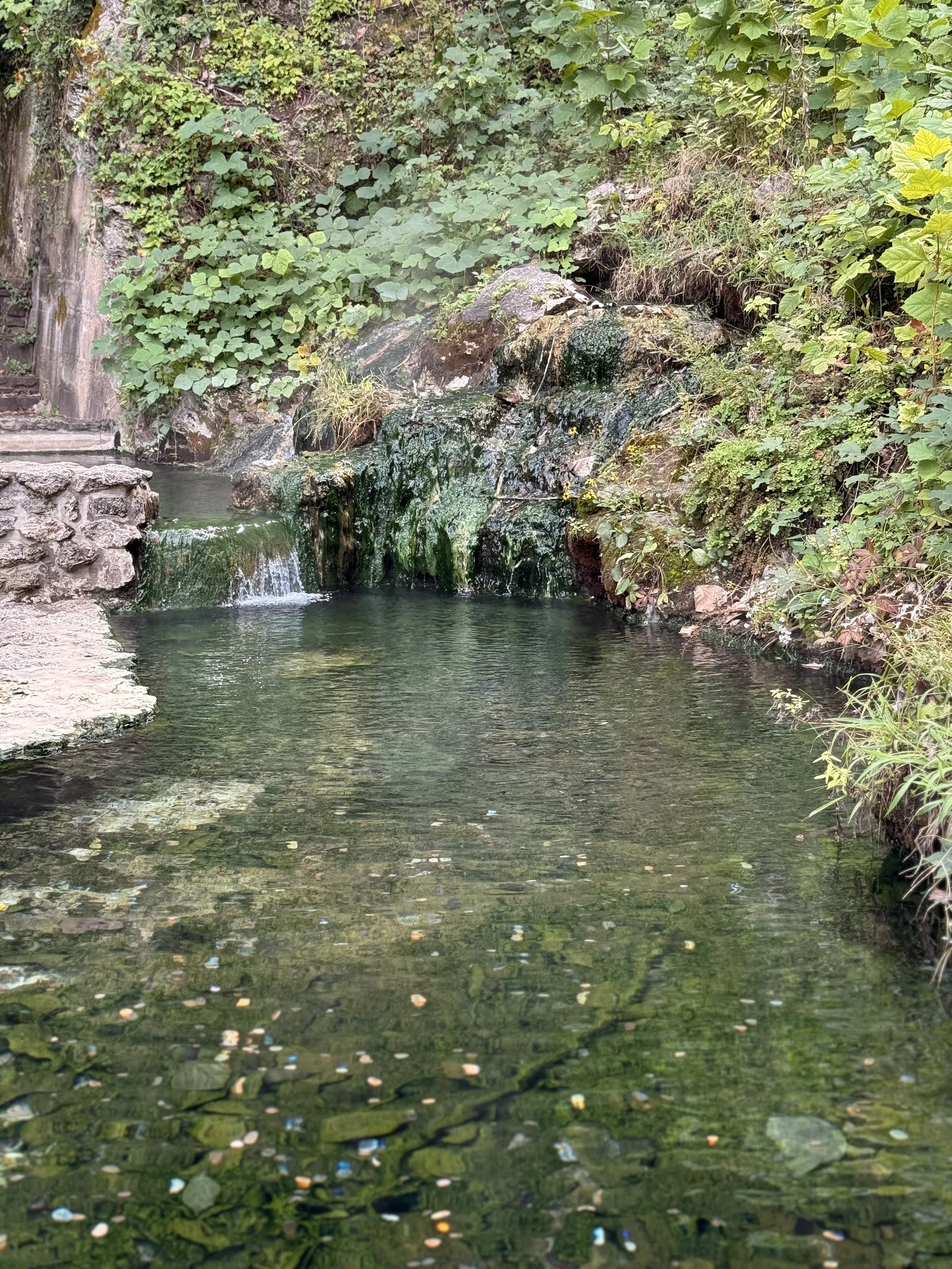
Once known for its casinos and natural hot springs spa, Hot Springs became a haven for the rich, famous, and infamous for nearly 30 years, leaving behind one heck of a story for the locals to tell, including actor Billy Bob Thornton, who can be seen visiting his hometown frequently.
The below information is a complete guide of the best places to stay, the top rated places to dine and drink, and all there is to see and do. We’ve also included a summary of the history of this infamous town!
How many nights needed in this TOWN: a Weekend
Jump To:
Where to Stay
Where to Dine & Drink
Things to See & Do
A History Summary
Where to Stay
Nestled along Lake Hamilton, this pet-friendly place has everything you need for a relaxing stay, including a kitchenette! We were grateful to be able to have breakfast by the water every morning and sip on wine during sunsets, each day/night of our stay. The owners of the property are so friendly, warm and welcoming. We highly recommend a stay here if you’re looking for peace and quiet in a tranquil location.
Other Places to Stay
Where to Dine & Drink
501 Prime
Upscale dining experience, serving seafood and beef dishes. TIP: Head into the Bourbon Bar to choose from over 400 bourbons!
ALEXA'S CREPERIE
Casual venue specializing in sweet and savory crepes.
Cafe 1217
Chef-owned counter-serve cafe featuring updated American comfort food & scratch-made desserts.
Cafe Kahlo
Family-owned, casual cafe serving a variety of breakfast items and mixed drinks.
David’s Burgers
Retro, counter-serve chain offering a simple menu of housemade beef burgers & fries, plus ice cream.
Deluca’s
Serving brick oven pizza with hand-made dough and fresh, local ingredients.
Kollective CoffeE + Tea
Hot Springs' very own 3rd wave coffee+tea house. Specializing in organic and local products.
Luna Bella
Chic kitchen serving Italian meat, seafood & pasta dishes, plus cocktails, in an intimate interior.
Mama Vee's Southern Homestyle Cuisine
Casual restaurant serving Southern comfort foods such as fried catfish, gumbo, chicken and waffles, and mac and cheese.
Ohio Club
Established in 1905, this bar with nightly music was a former gangster & baseball player hangout.
SQZBX Brewery & Pizza
Family-run parlor dishing up classic pizzas, salads & subs, plus house-brewed beer in cozy quarters.
The Pancake Shop
Per their site, “We do things in the traditional way, and our menu hasn’t changed much in the last 70 years. Your orange juice will be fresh squeezed the morning you arrive. Our pancakes are made from scratch and will be served with butter and warm maple syrup. Our sausage is homemade and our ham has won awards across the country. Your eggs will be cooked to perfection, just the way you want them. Your breakfast will be prepared to order – no fast food here. We’ll re-fill your coffee cup until you tell us to stop. We want you to be happy. And we want you to come back and bring your friends!”
Vault
Intimate eatery in a circa-1909 bank, offering modern American dishes & private dining in a vault.
Will’s cinnamon shop
Homemade cinnamon rolls are the draw of this popular, brick-lined cafe also fixing up sandwiches.
Things To See & Do
Avant Mining
Founded in 2010, Avant mining focuses on world-renowned quartz crystals and gem-quality turquoise. The best part? You can dig for your own!
Bathhouse row
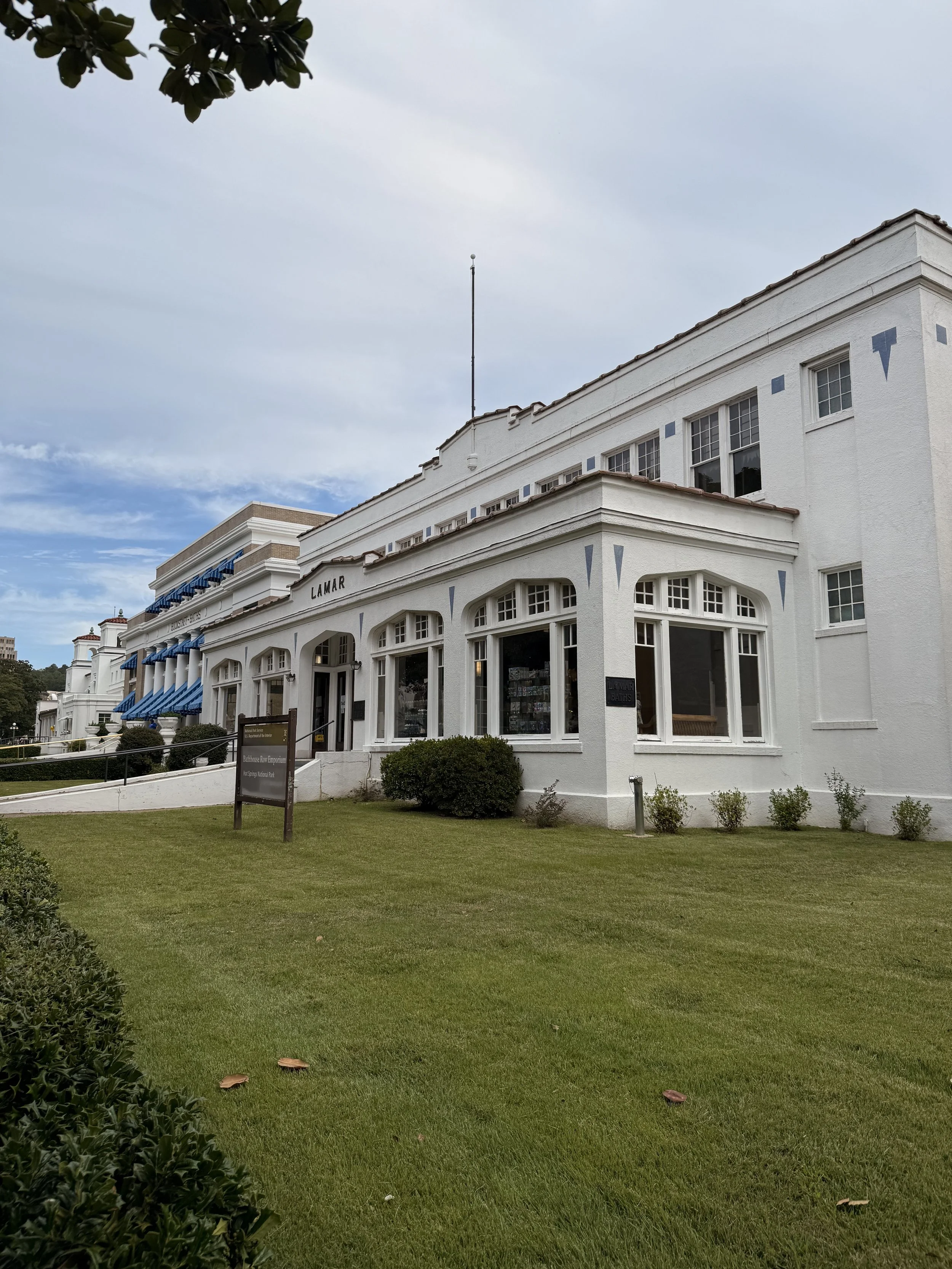
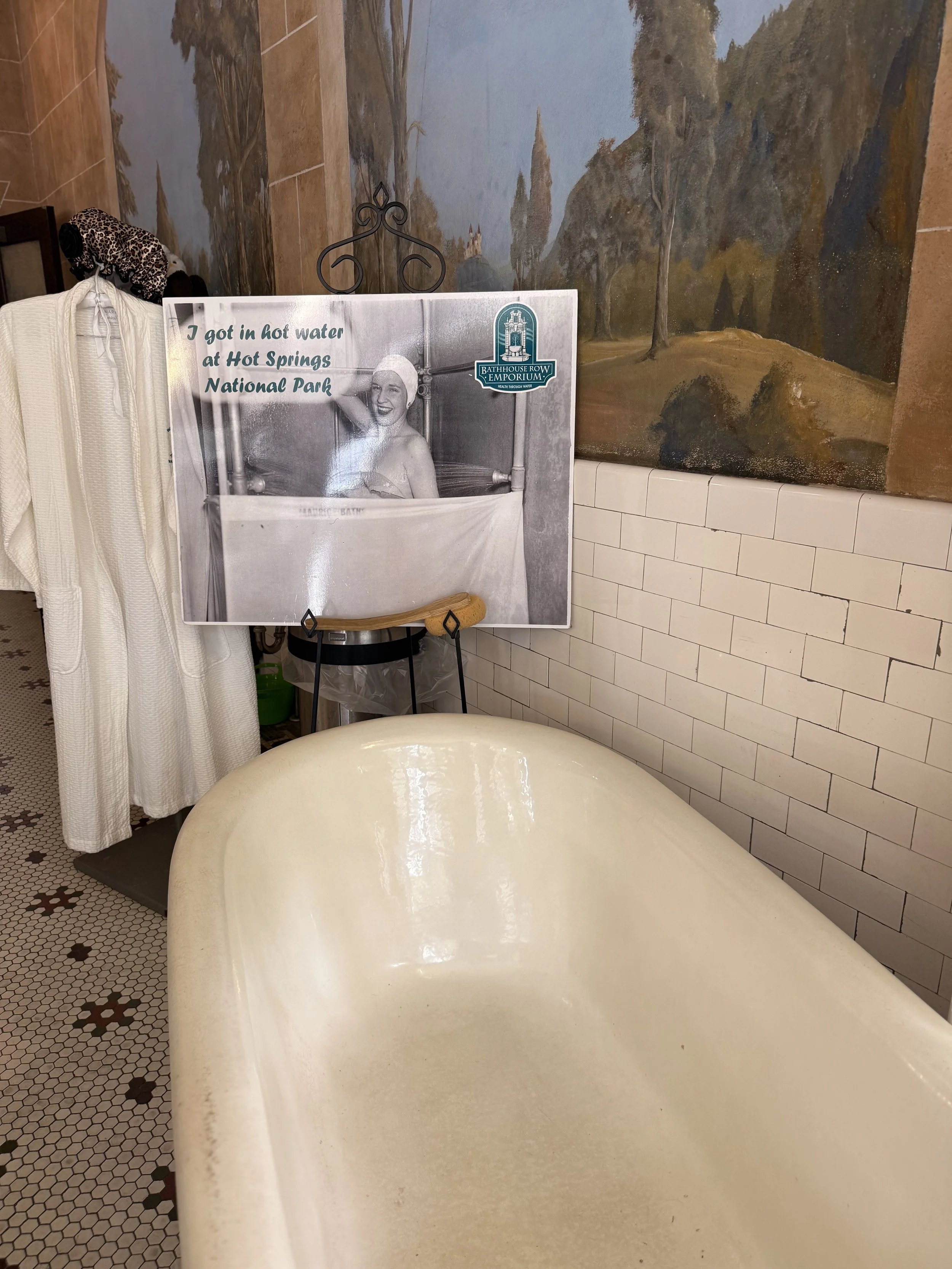
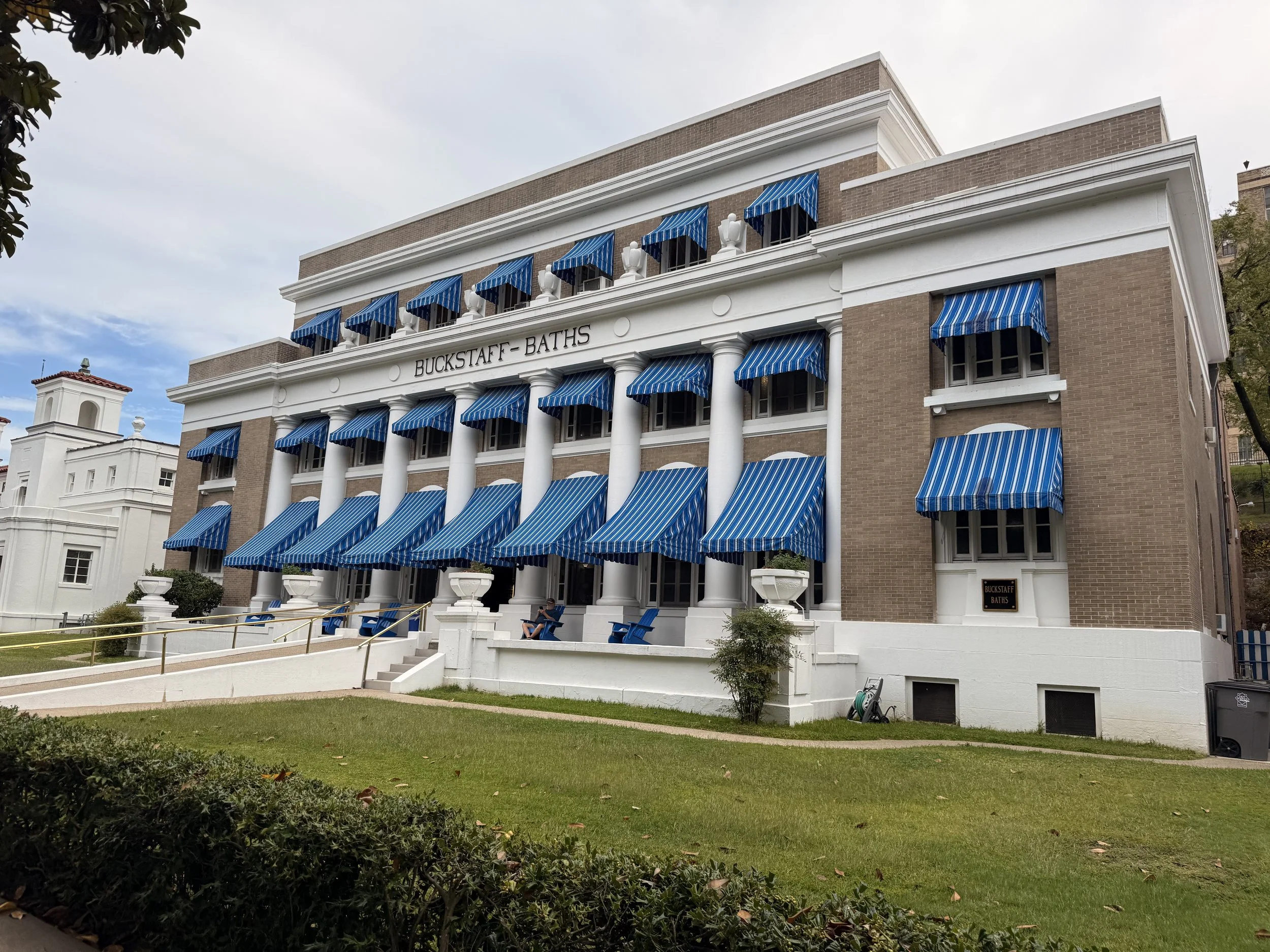
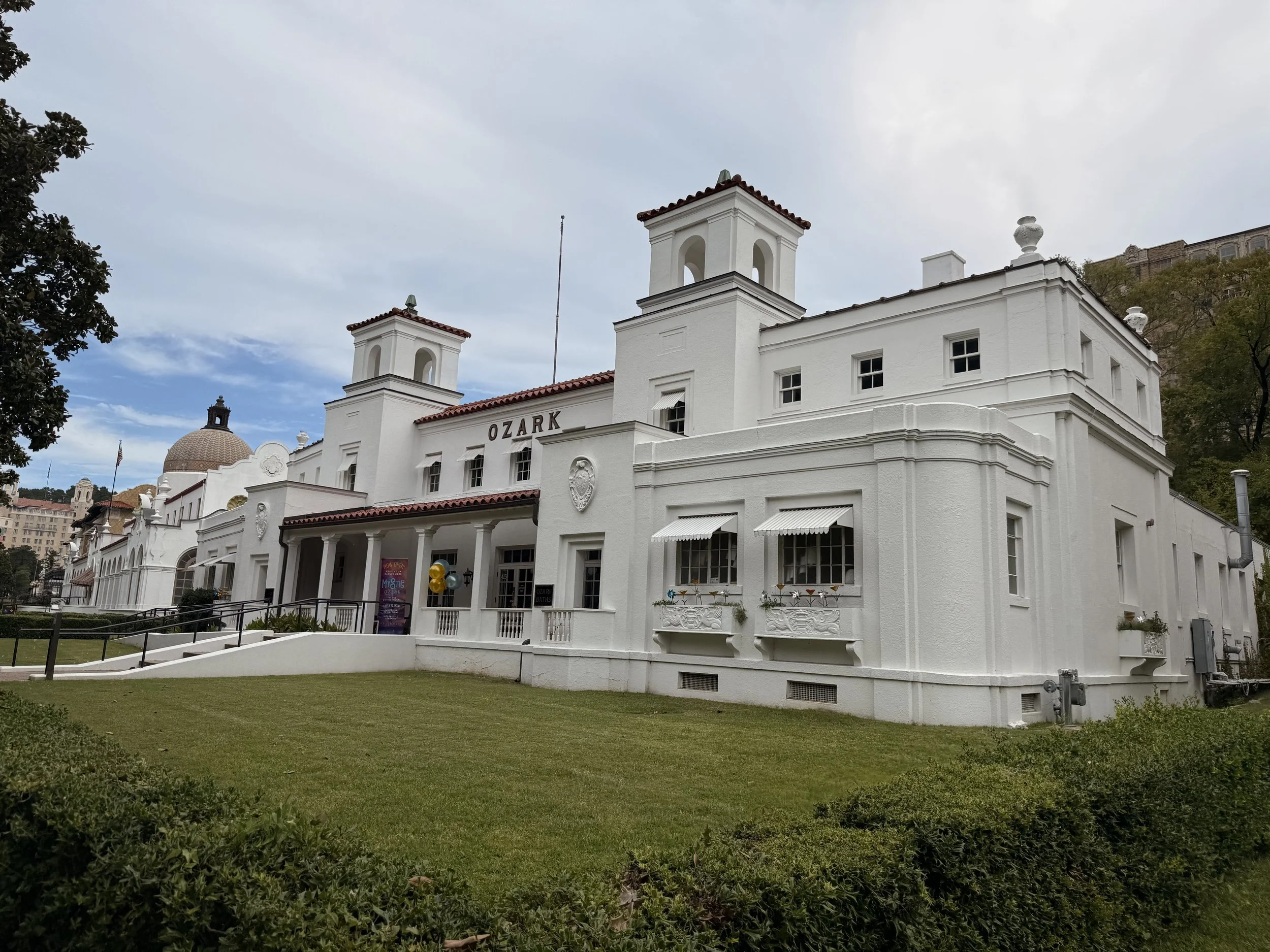
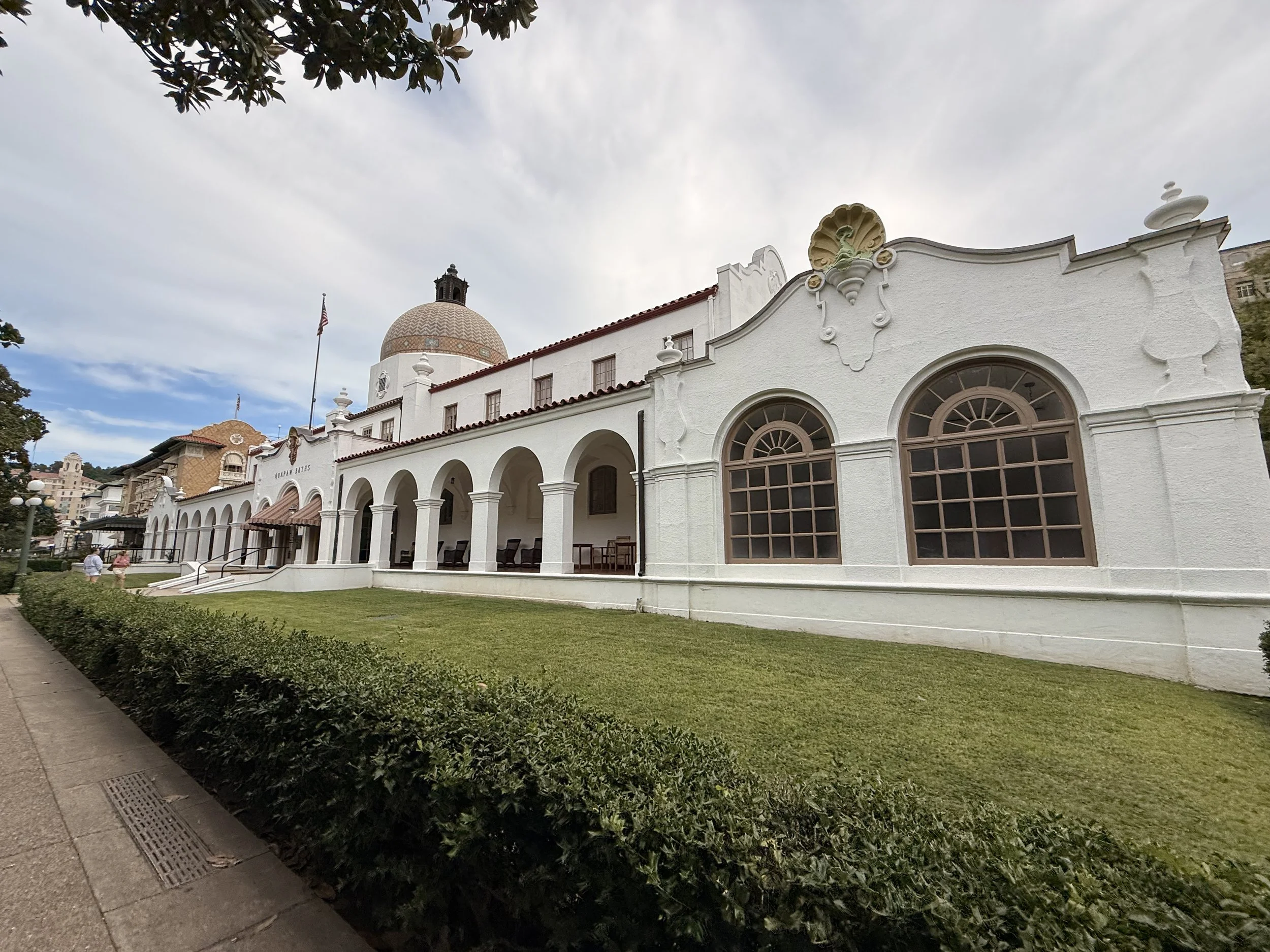
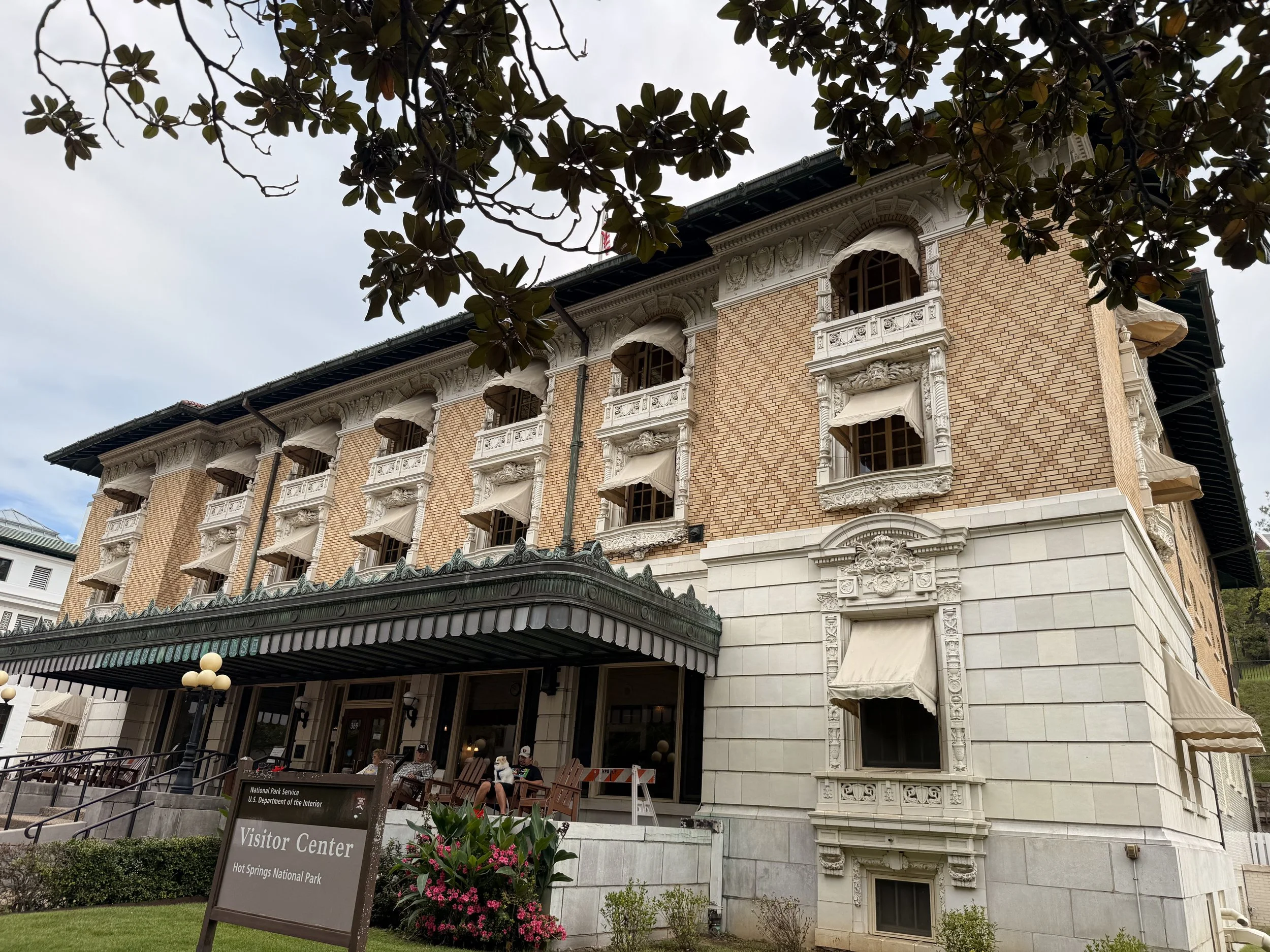
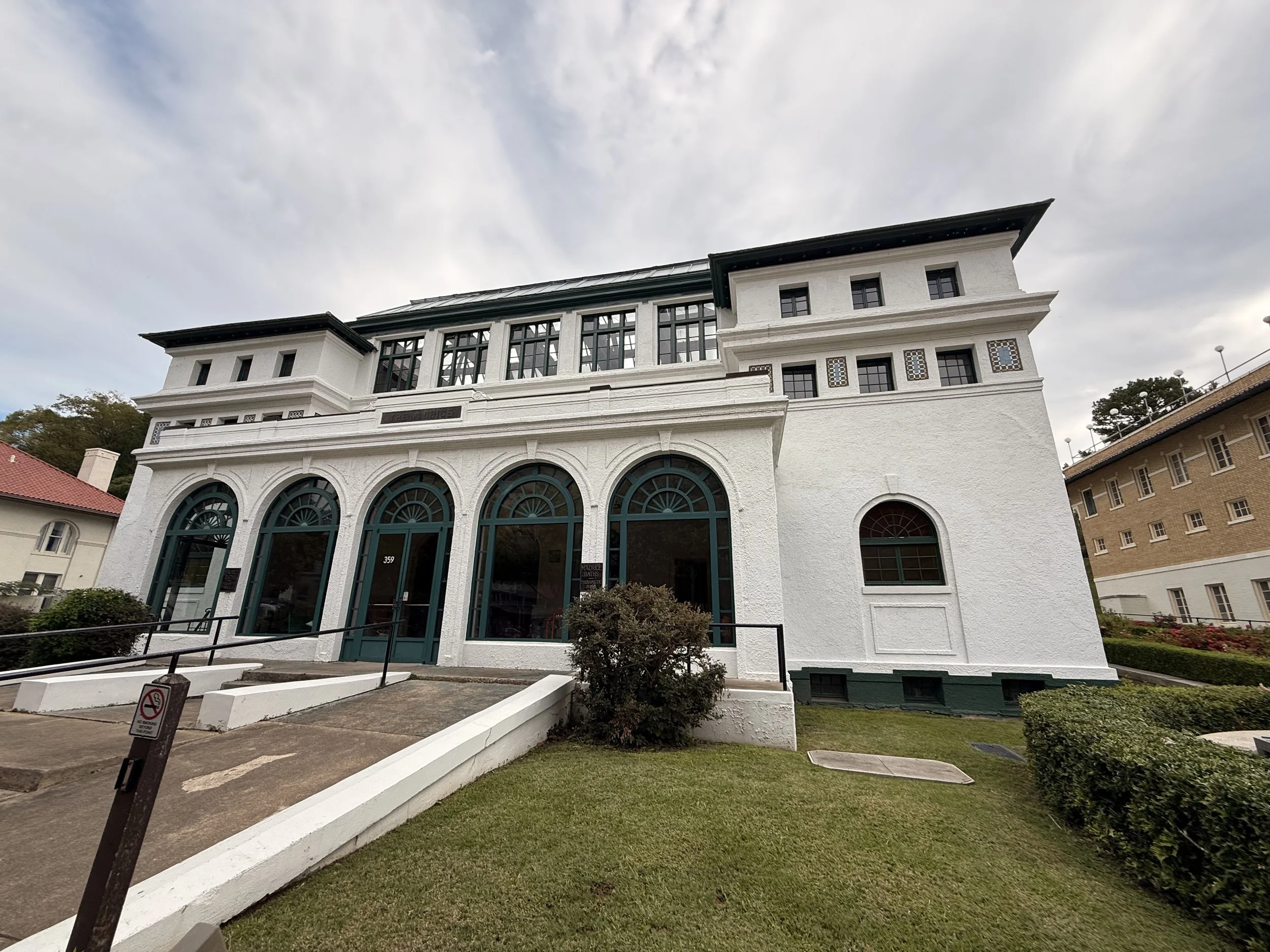
The first bathhouses on Bathhouse Row were crude structures of canvas and lumber, little more than tents perched over individual springs or reservoirs carved out of the rock. Later, businessmen built wooden structures, but they frequently burned and/or collapsed because of shoddy construction and humidity. As the bathhouses continued to grow in popularity, the park's superintendent deemed that more resilient and fireproof structures were needed. Starting in 1896, many of the wooden bathhouses were replaced with the bathhouses that we see today made of masonry and steel.
By the 1960s, the bathing industry in the park and in the city had declined considerably. On Bathhouse Row, the eight grand bathhouses that had been thriving since their construction 30 years prior, suffered from the decline (much of this due to lack of mobsters as they were mostly jailed by then), with six having shut down entirely. In 1974, the entire row was placed on the National Register of Historic Places, which led to a desire to revitalize the row with adaptive uses of the vacant buildings.
Buckstaff Baths - The Buckstaff Bathhouse, named for controlling shareholders George and Milo Buckstaff, replaced the former Rammelsberg Bathhouse, a brick Victorian structure. The Rammelsberg replaced the A. B. Gaines bathhouse destroyed in the 1878 fire, but evidently there was a brick bathhouse on the site in the late 1850s as well. Designed by Frank W. Gibb and Company, Architects, the Buckstaff cost $125,000 to build and contains 27,000 square feet on three main floors. Because it has been in continuous operation since it opened on February 1, 1912, it is one of the best preserved of all of the bathhouses on Bathhouse Row. However, it has undergone many changes over the years.
Fordyce Bathhouse - The Fordyce opened March 1, 1915, it cost over $212,000 to build, equip, and furnish and totaled around 28,000 square feet in size. It’s considered the largest bathhouse on the Row. It has three main floors, two courtyards, and a basement under most of the building. It, unfortunately, also became the first bathhouse on the Row to go out of business when it suspended operations on June 30, 1962, though was extensively restored by 1989. It’s now a furnished museum.
Hale Bathhouse - After the Civil War ended, a second Hale House was constructed on the present site, with its bathhouse situated on the opposite side of the creek. Sometime before 1882, a Victorian style bathhouse was built on the site by William Nelson, who signed a water lease for the site in 1879. Construction of the new building cost $5,000. Today, The Hotel Hale has been revived as a luxury hotel and the interior has been remodeled to include a mix of modern and mid-century modern styles. Patrons can stay overnight in historic rooms and experience the thermal springs.
Lamar Bathhouse - The current Lamar Bathhouse opened on April 16, 1923 replacing a wooden Victorian structure named in honor of the former U. S. Supreme Court Justice Lucius Quintus Cincinnatus Lamar. He was Secretary of the Interior when the first version of the bathhouse was built in 1888. The stone, brick, and stucco construction is moderately Spanish in flavor and coordinates well with the five other bathhouses with Spanish motifs. The Lamar was unique in that it offered a range of tub lengths (5', 5' 6", 5' 9", 6', 6' 6") for people of various heights. It also had a small coed gymnasium with another separate area for women adjacent to the gymnasium. The Lamar Bathhouse closed on November 30, 1985. Today, it houses offices for the park's Resources Management employees, the park archives, museum collection storage spaces, a small research library, and the park store
Maurice Bathhouse - First opened on January 1, 1912 to replace an existing Victorian-style building, it measures 23,000 square feet over three floors. It included a gymnasium, staterooms, a roof garden, and twin elevators. In the 1930s, a therapeutic pool was installed in the basement for the treatment of arthritis and polio. It was the only bathhouse on the Row to have a pool. During its 60 years in the operation, over 2.5 million therapeutic baths were provided. The Maurice was the second bathhouse to close on Bathhouse Row, shutting its doors in November 1974. It’s currently available for commercial lease.
Ozark Bathhouse - Completed in the summer of 1922, the Ozark Bathhouse cost $93,000 to build and catered mainly to a middle economic class of bathers unwilling to pay for frills. The Ozark closed in 1977 and has been an art gallery ever since.
Quapaw Baths - Opening in 1922, Quapaw is the longest building on Bathhouse Row, occupying the site of two previous bathhouses, the Horseshoe and Magnesia. Vacant since closing in 1984, it was the first to be leased for adaptive reuse. It reopened as a family-oriented spa in late June 2008.
Superior Bathhouse - The first Superior was constructed on portions of the old Hale and Big Iron bathhouse sites. It was made of red brick, some of which may have been reused in the current building. The style of construction was markedly different from that of the Victorian bathhouses that were its contemporaries. The business’s name was said to derive from offering superior service, but it may also have been meant to appeal to the many health seekers arriving from the upper Midwest. The smallest bathhouse on the Row, the Superior also had the lowest rates - it offered only the basic hydrotherapy, mercury, and massage services. It closed in November of 1983. The Superior Bathhouse is now home to the only brewery in a United States National Park, and the only brewery in the world to utilize thermal spring water to make their beer.
Gangster Museum of america
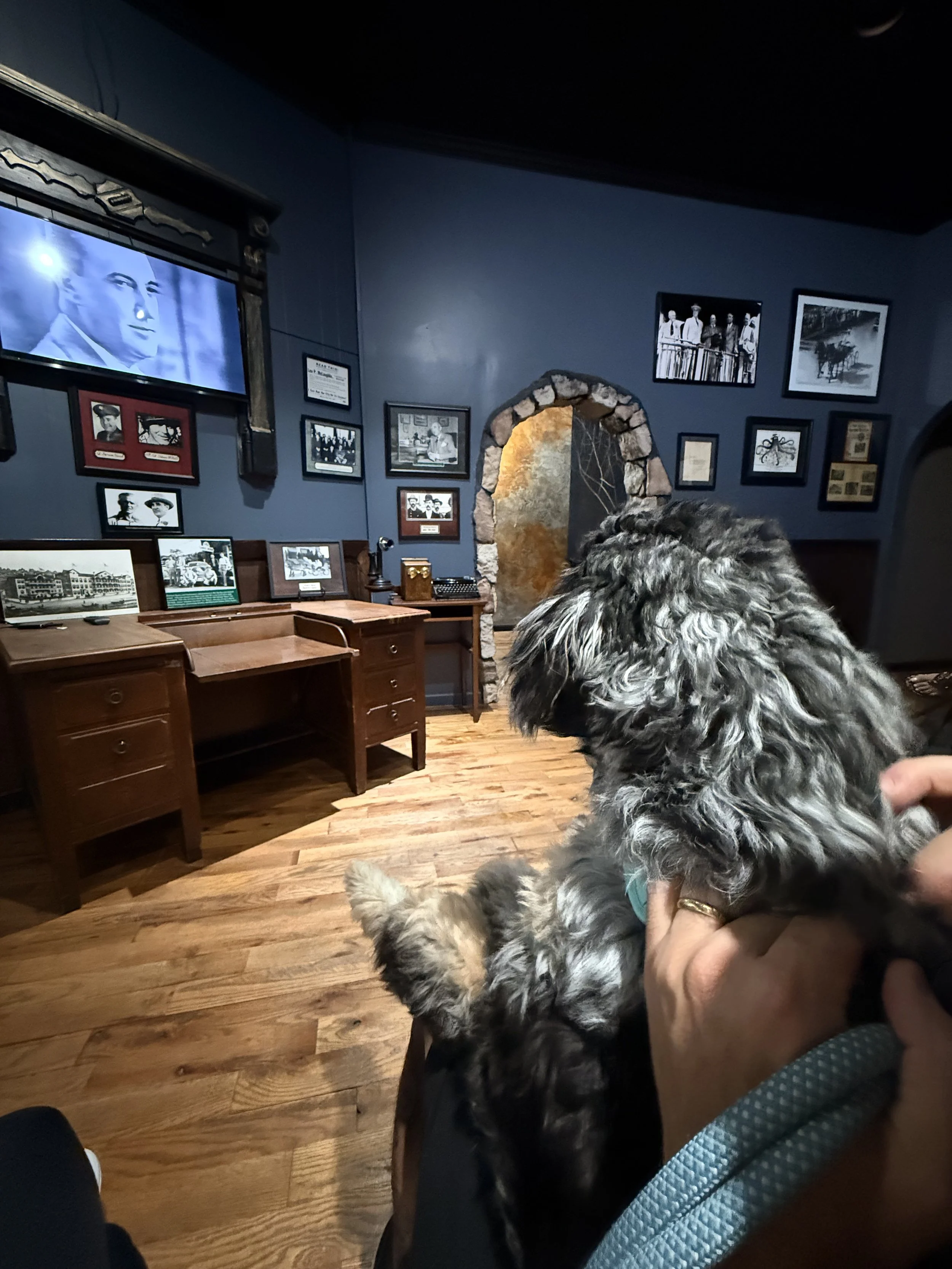
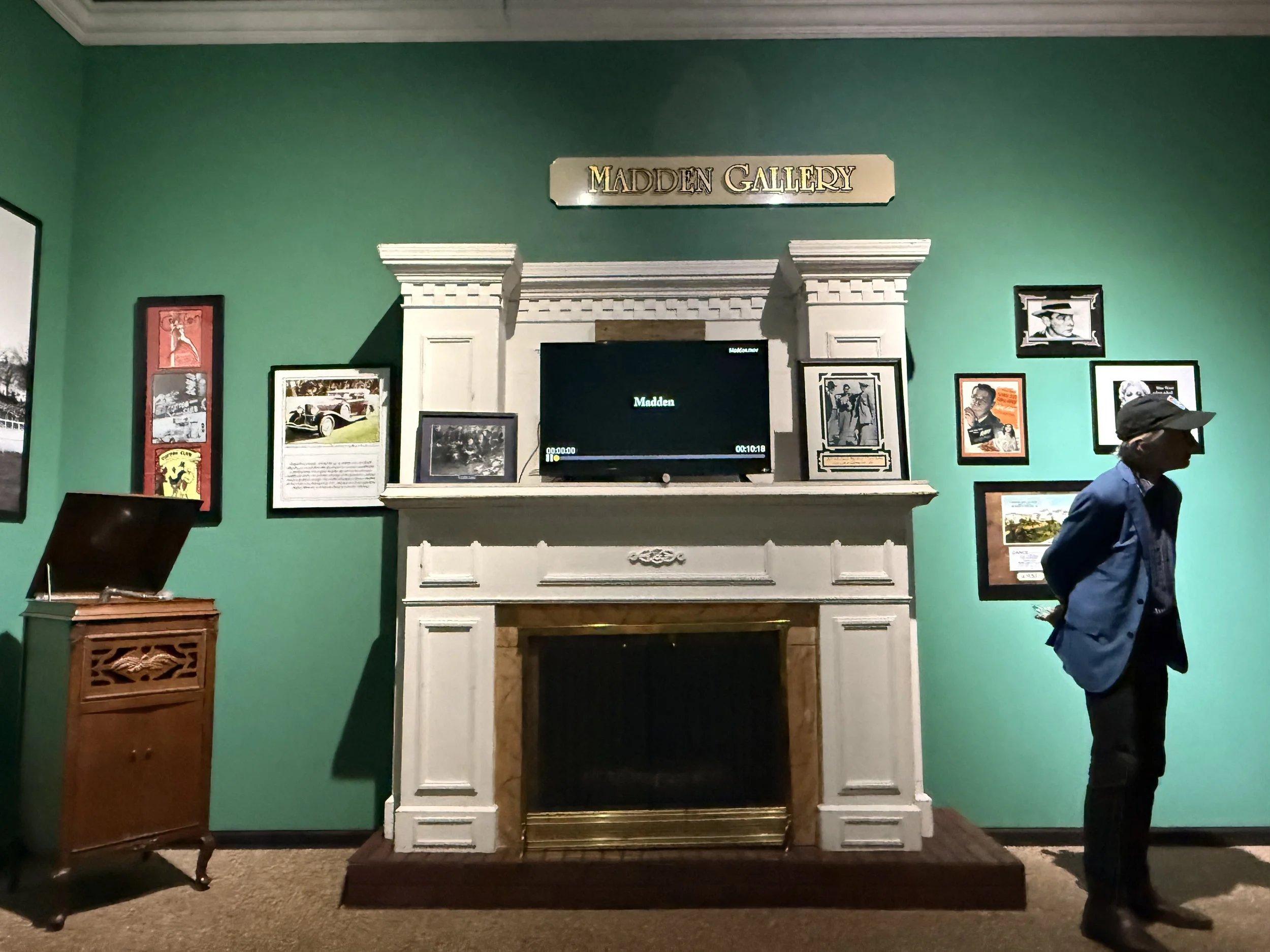
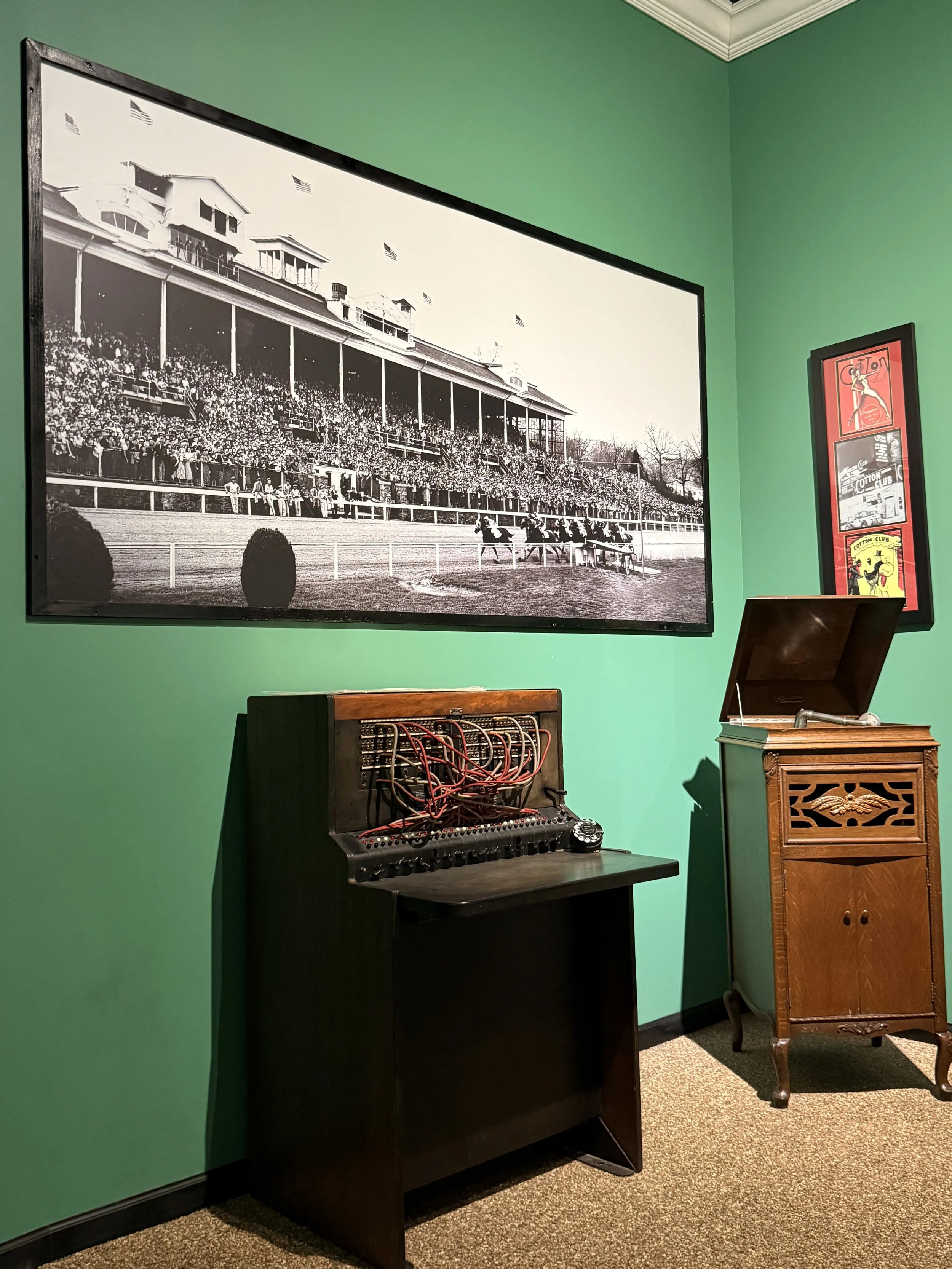
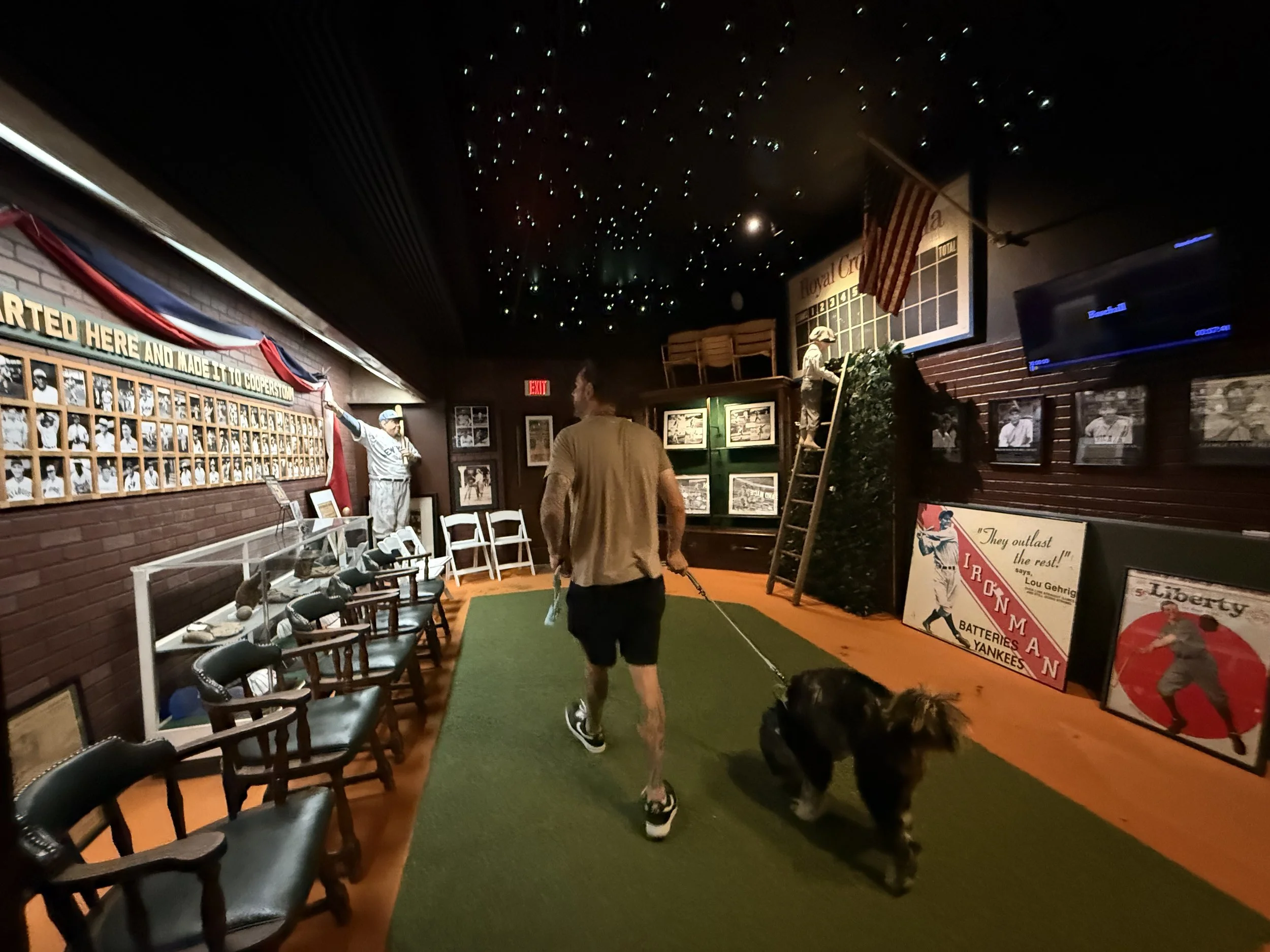
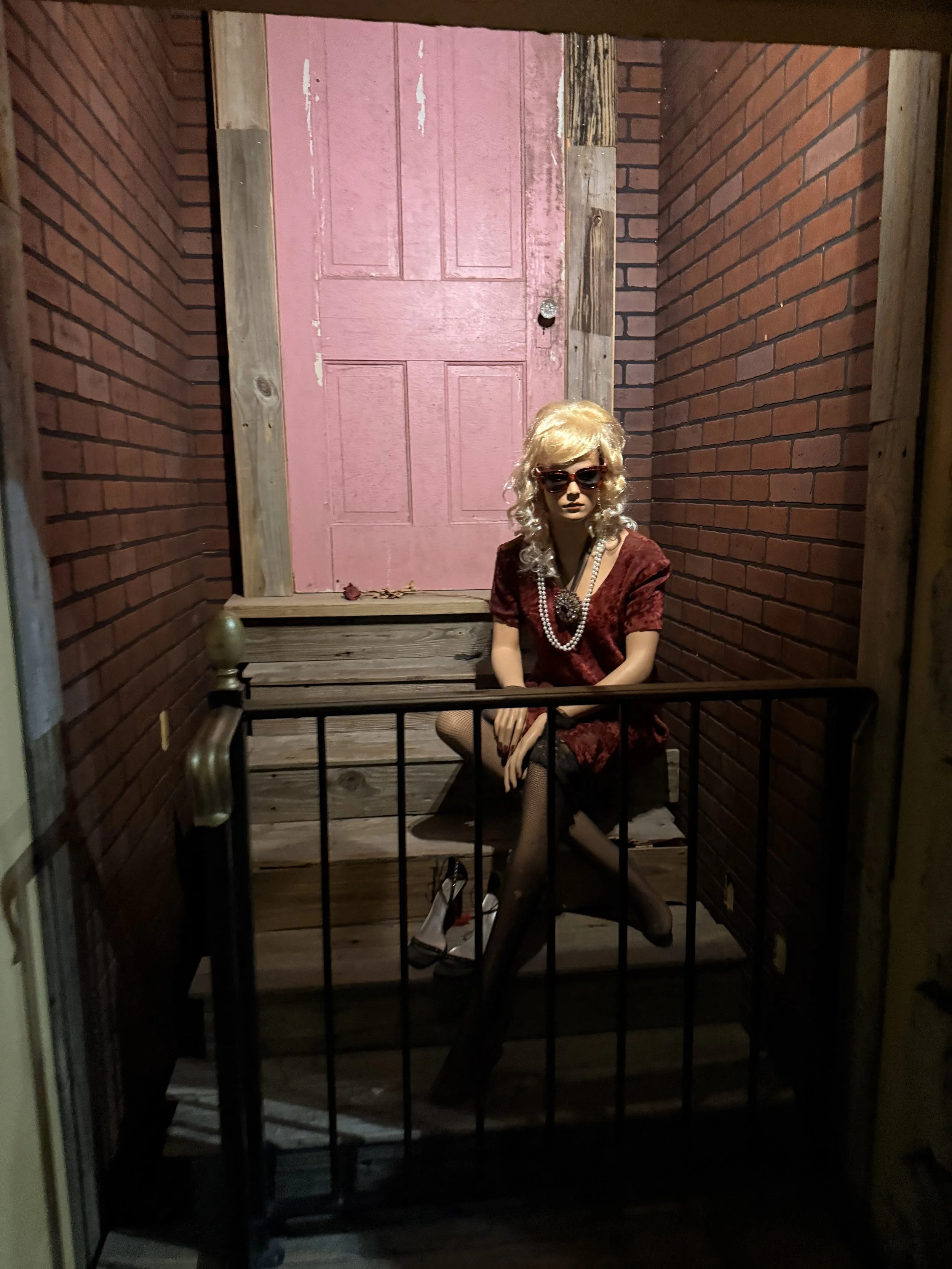
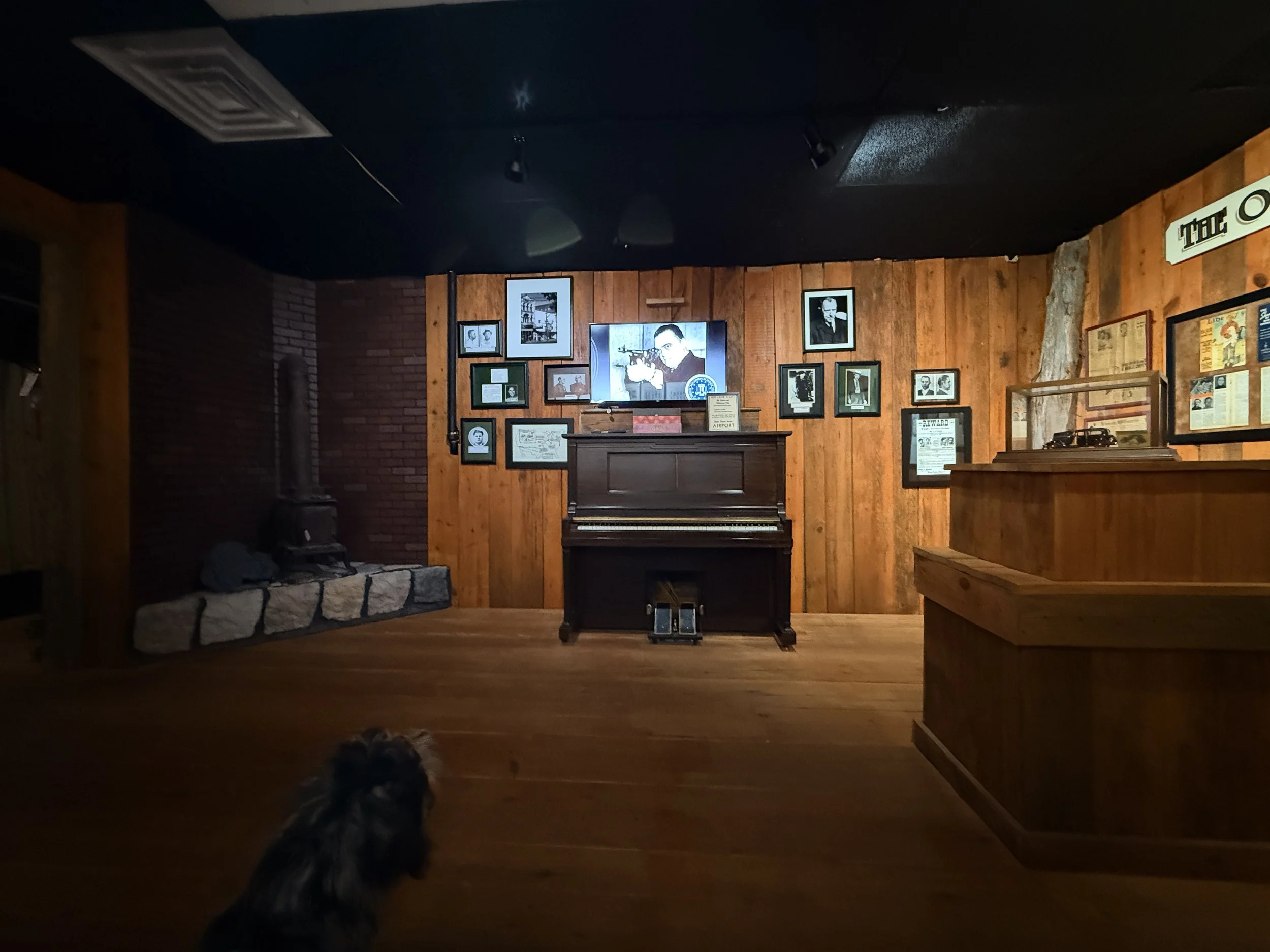
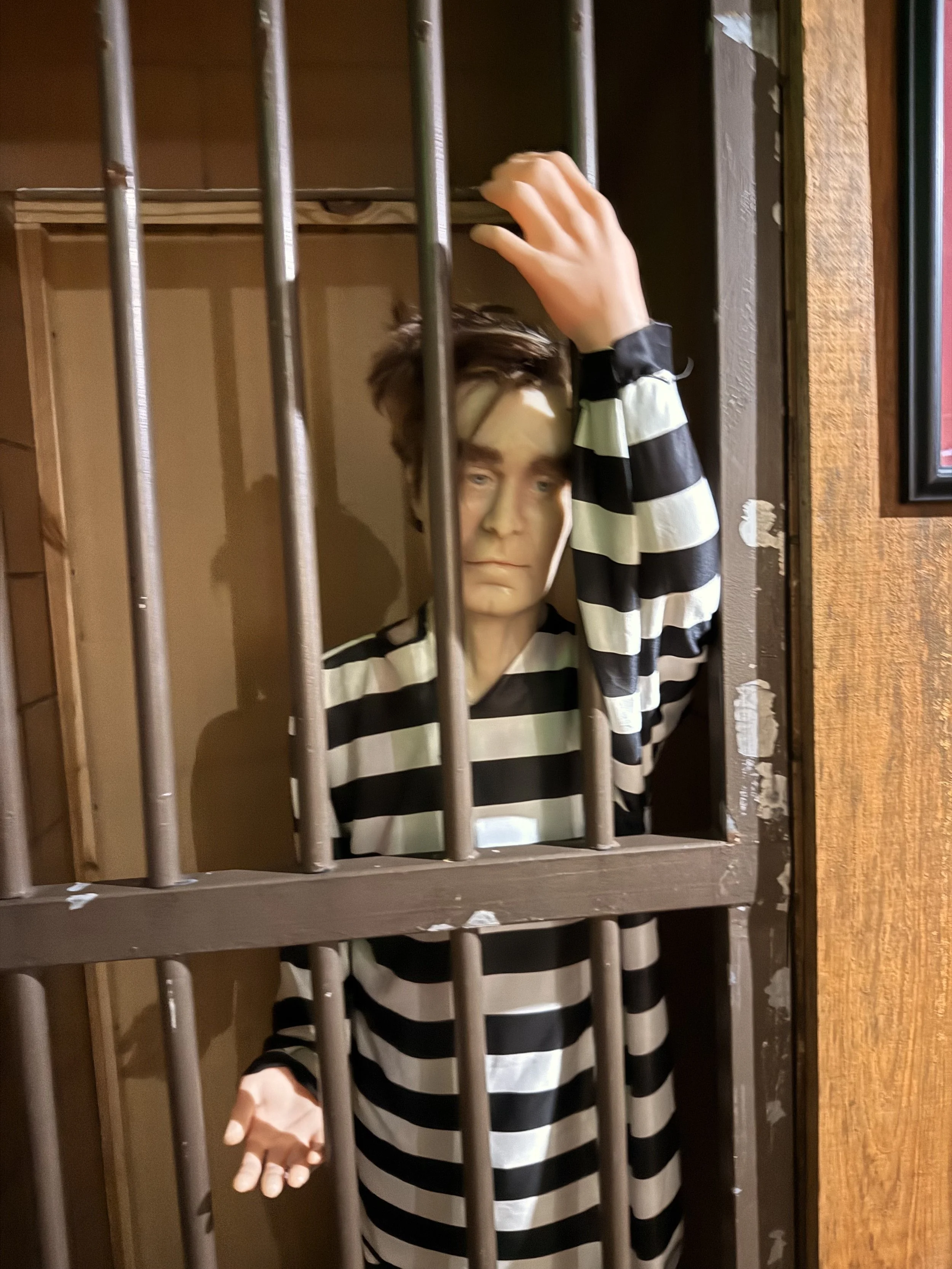
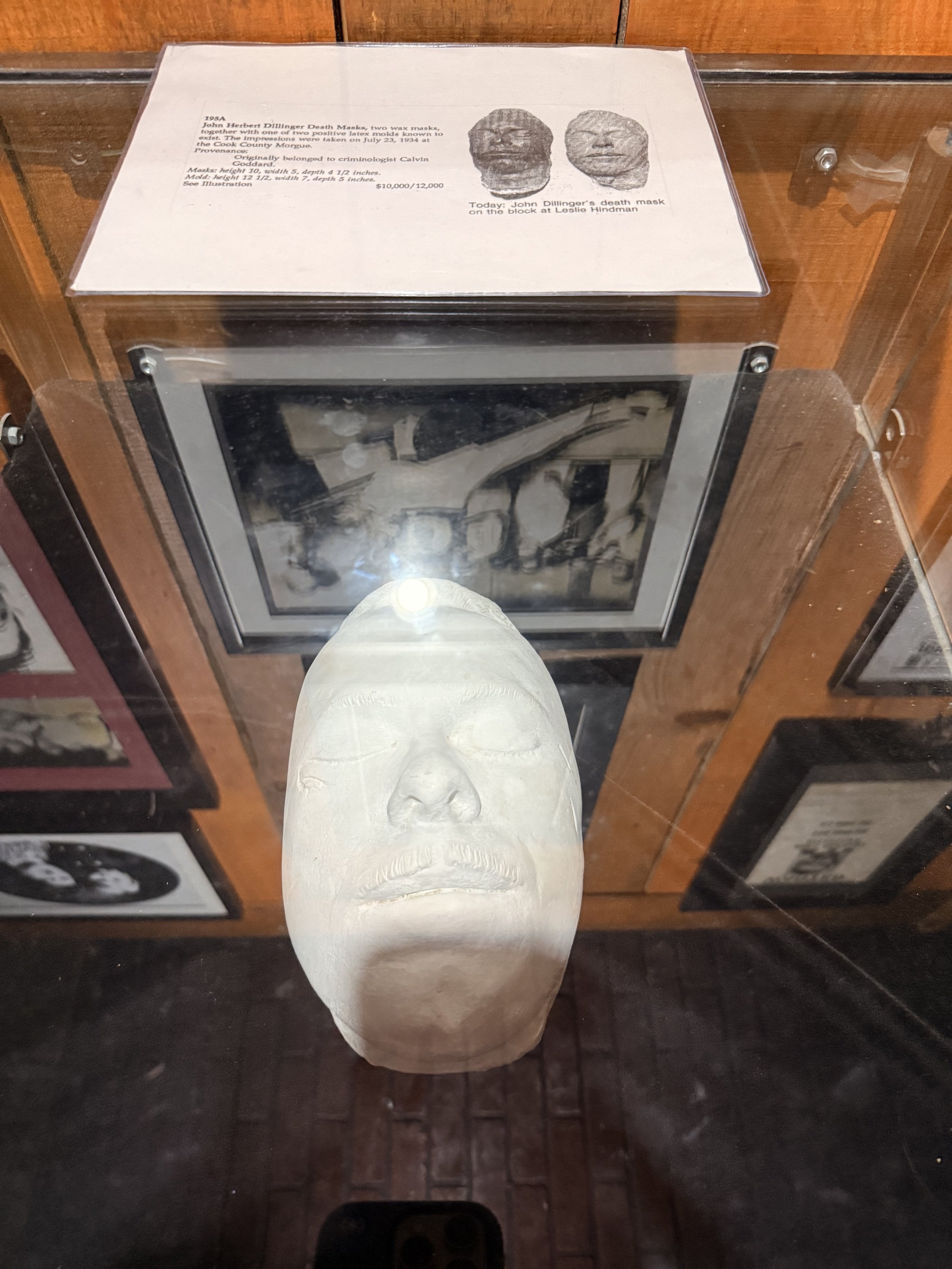
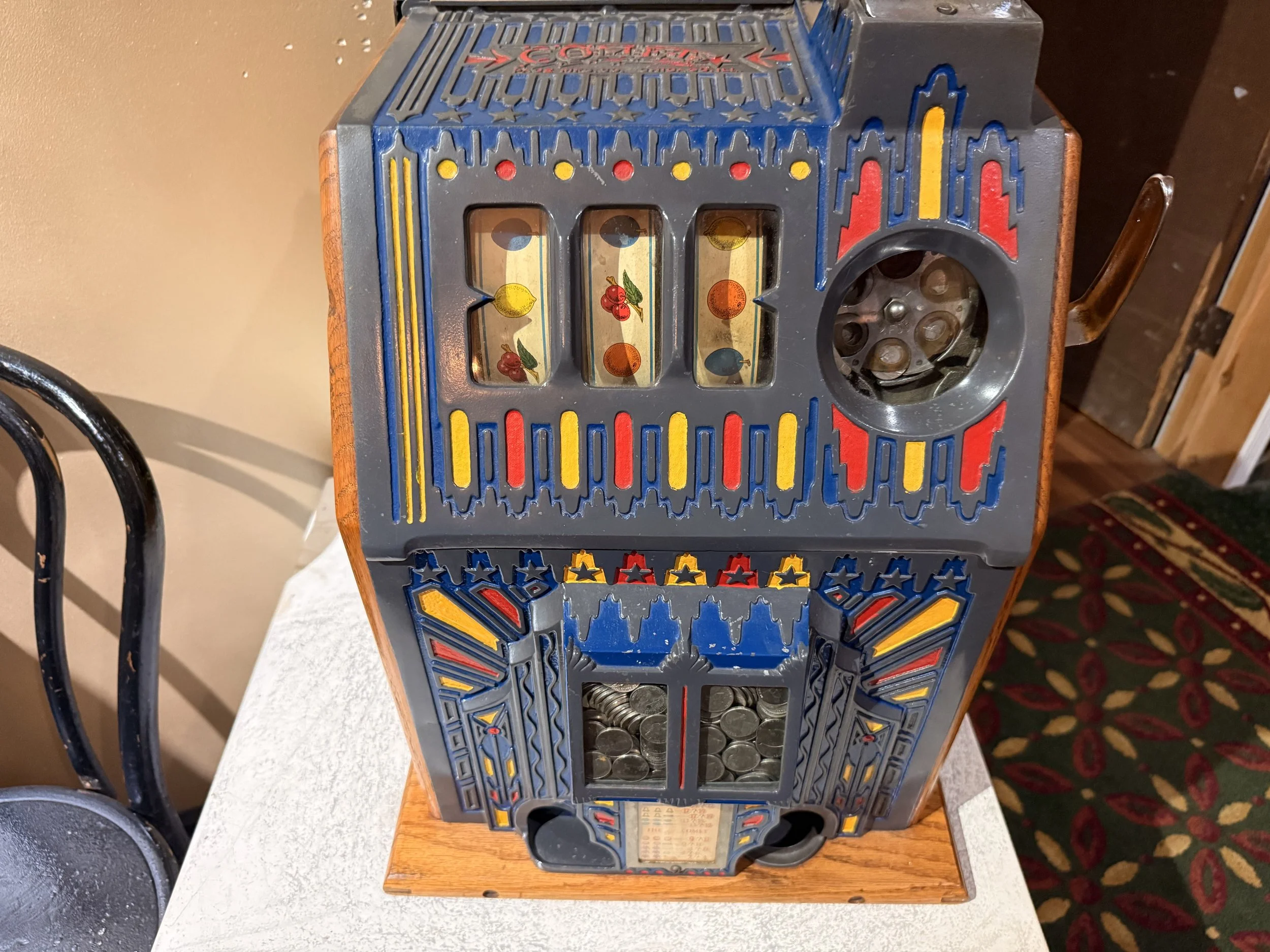
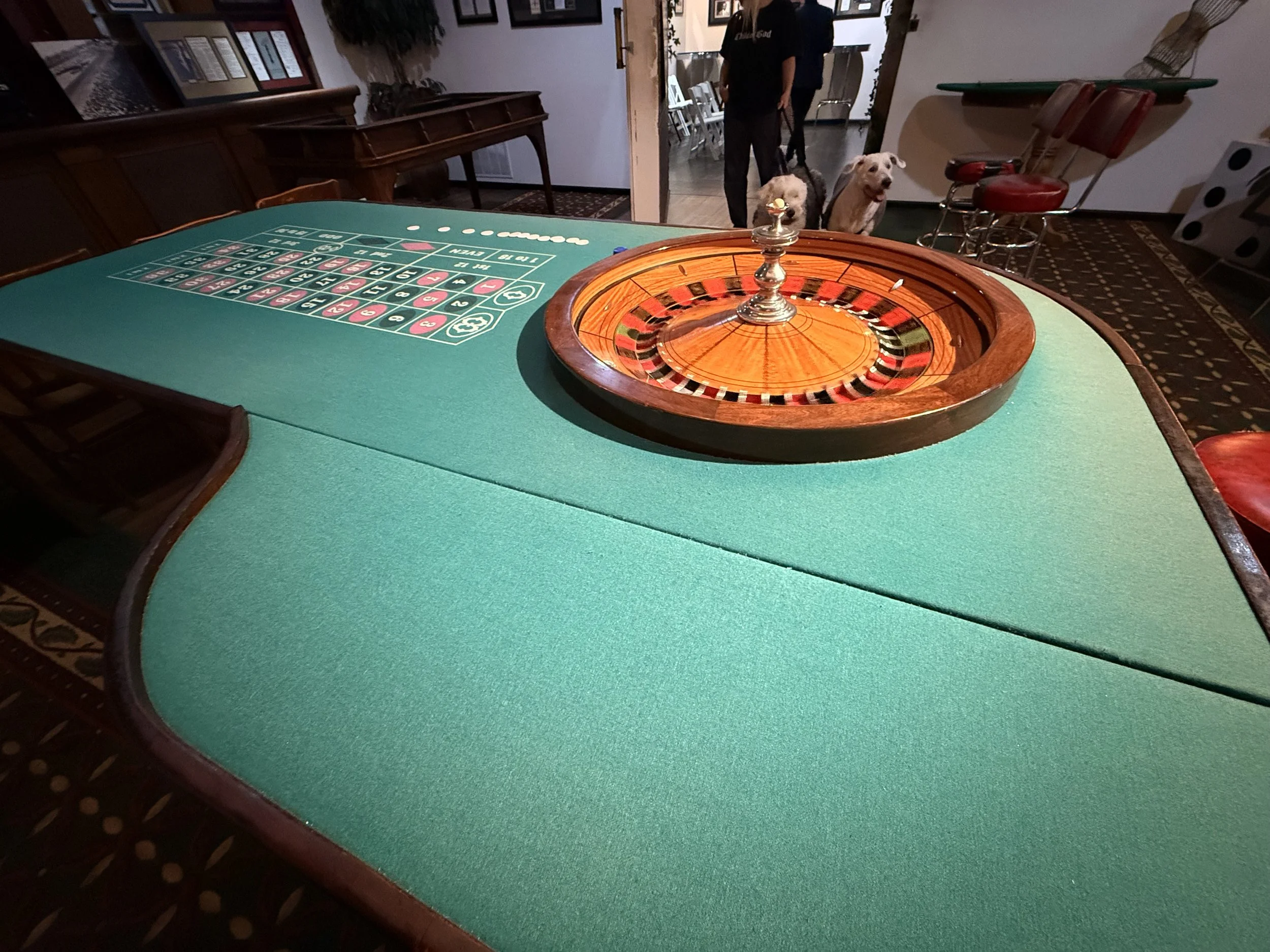
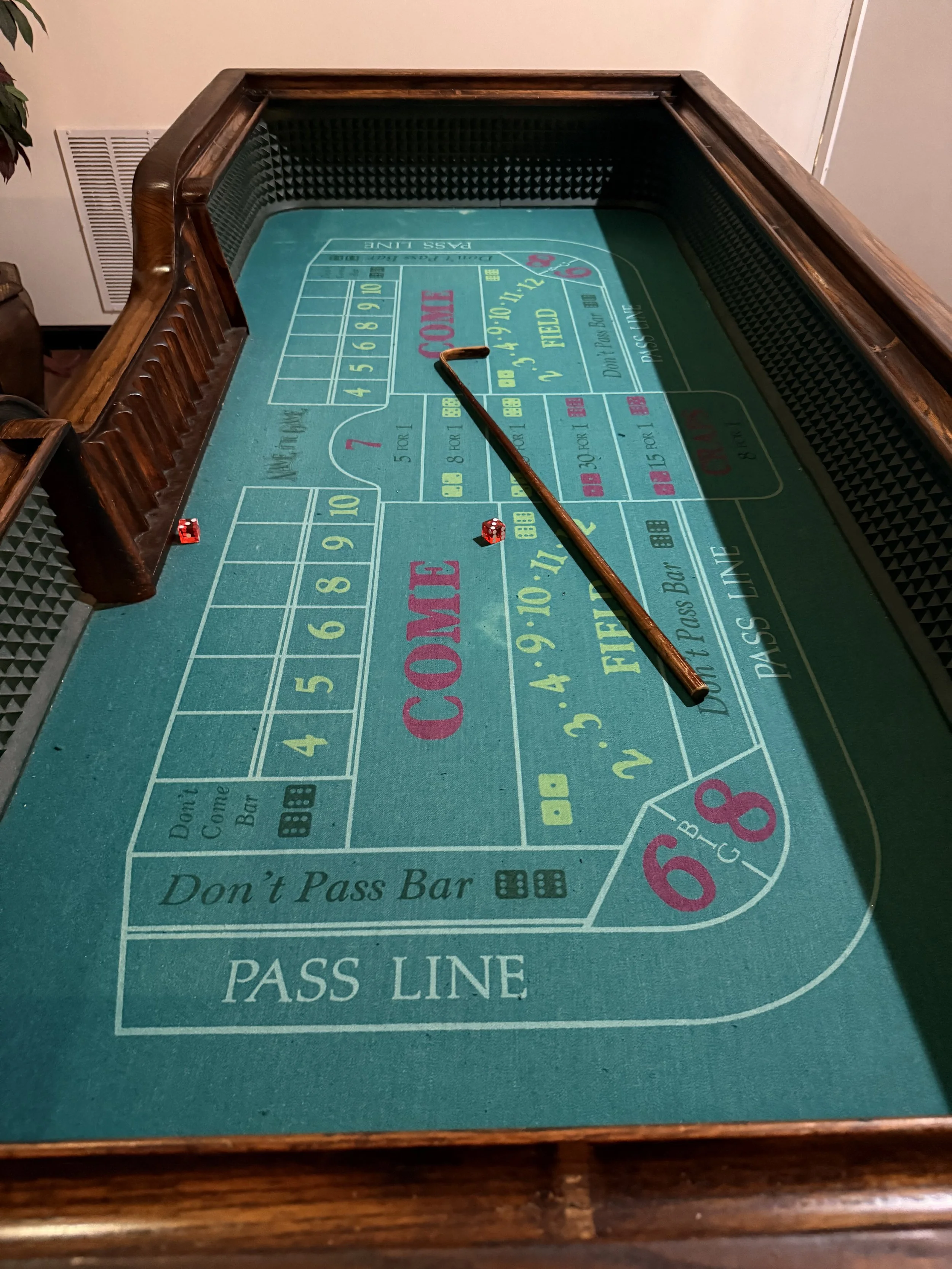
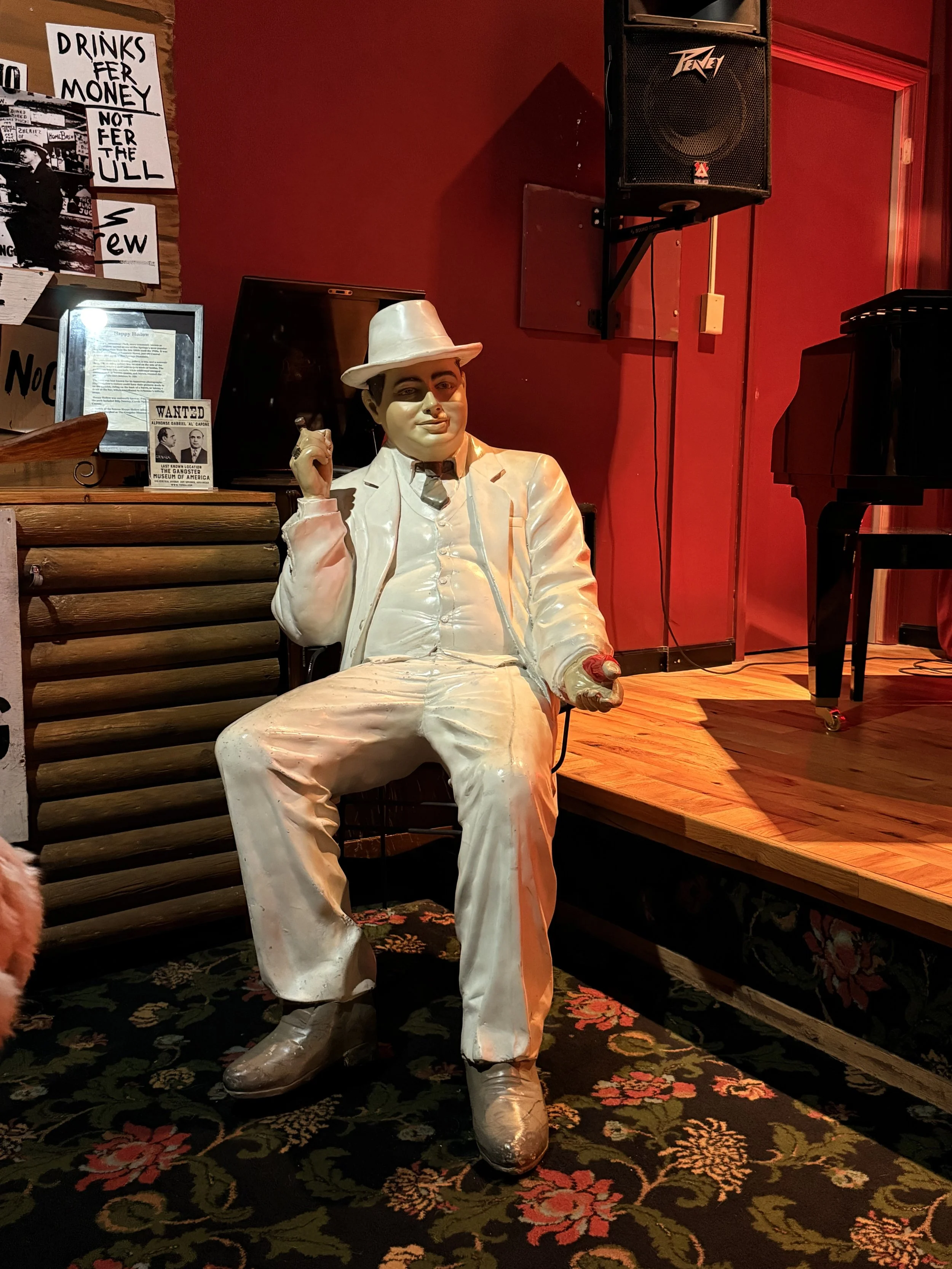
During Prohibition, the Hot Springs had a bustling criminal underworld, which is well-documented in this museum.
Divided into seven galleries—Madden, Power Brokers, Capone, New York Connection, Outlaw, Casino, and Baseball—this downtown museum offers a glimpse into the heyday of this town, including how Federal Agents and the National Park Service were involved. You can even try your luck at the original gambling machines.
NOTE: This museum is a tour only and is VERY dog-friendly!
Garvan Woodland Gardens
Built on a peninsula on Lake Hamilton, just outside of Hot Springs, Garvan Woodland Gardens can be found. While it houses a lot of the more common aspects of a botanical garden, it also has a large section is left in its natural state. As it is a "woodland garden," much of the peninsula has been set aside as a nature preserve. It also features numerous architectural features—several beautiful bridges, a unique bell tower, a vibrant fairy village, and a strange treehouse.
Covered with miles of trails, exploring both manicured gardens and natural woodlands, The University of Arkansas, who now owns the property, has also built beautiful structures here, including the iconic Anthony Chapel. Known for its soaring vaulted ceiling and predominantly glass design, this architectural gem serves as a highly sought-after wedding venue.
Josephine Tussaud Wax Museum
Per their website, “Josephine devoted her lifetime to the world of wax in the heritage of her great grandmother, Madame Tussaud. This unique attraction takes you through seven magical world of wax including Fantasy Land and more than 30 magnificent settings. See everything from celebrities, royalty, and presidents to historically accurate battle scenes and a creation of Leonardo Da Vinci's "Last Supper."
At the end of the tour you are able to check out the escape tunnel the gangsters used to get away when the police raided the casino.
The Gambling Museum is our newest addition. Here you will find historical gambling equipment, dice, cards, zippos, matchbooks, documents, advertisements, and even the old FBI case files for the gambling industry in Hot Springs.”
Mountain Valley Spring Water Visitor’s Center
Since 1871, Mountain Valley has been hydrating people all over the country. Today, you can tour their visitor’s center and see just what kind of impact they have had. You also get to sample their award-winning spring waters and buy some one-of-a-kind Mountain Valley merch.
The Arlington Hotel
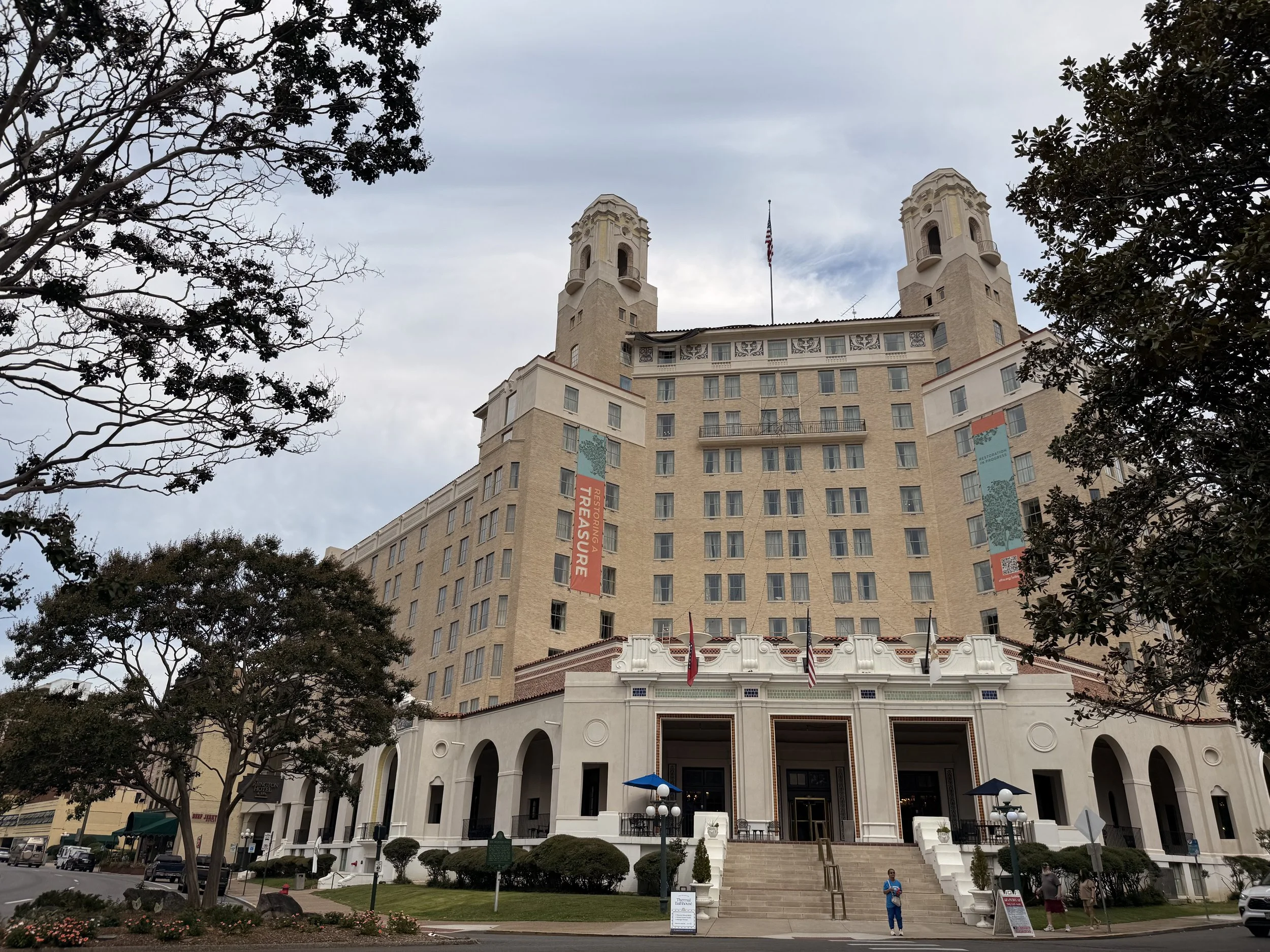
The Arlington Hotel has existed in several incarnations. When the original three-story wooden hotel opened in 1875 with 120 guest rooms, it was the largest hotel in the state. In the late 1880s, another 100 rooms, a new dining room, and a parlor were added. In 1893, this building was razed to make way for a new 300-room Spanish Renaissance structure, which was destroyed by a fire in 1923. The Arlington Hotel that stands today, opened on December 31, 1924. It was THE place to stay while visiting Bathhouse Row. With its Crystal Ballroom, Venetian Room, Music Room, Card Room, Writing Room, and over 500 guest rooms, it was no wonder that this hotel became one of Al Capone’s favorite vacationing spots. In fact, he loved it so much he always stayed in Room 443, though reserved the entire floor. It’s also recorded that Babe Ruth and Joe DiMaggio were frequent patrons.
FUN FACT: The hotel still issues keys to its guests, not key cards. It also has its own bathhouse with a manually-operated elevator, lined with beveled glass and brass that is still in use today. A spigot in the hotel lobby dispenses water from the springs, and guests line up to fill their paper cups.
NOTE: This was not included as a place to stay because unfortunately, it’s in a bad state of disrepair and is currently going through quite a bit of renovation and restoration work. It’s worthwhile to head to the lobby bar and grab a drink to take in the beauty of the lobby, though!
The Tower
Want beautiful panormaic views of Ouachita Mountains, Hot Springs Mountain, and Diamond Lakes? The tower is the place to visit! The elevator will transport you 216 feet (1,256 feet above sea level) to the observation decks to see it all.
Thermal Springs Cascades
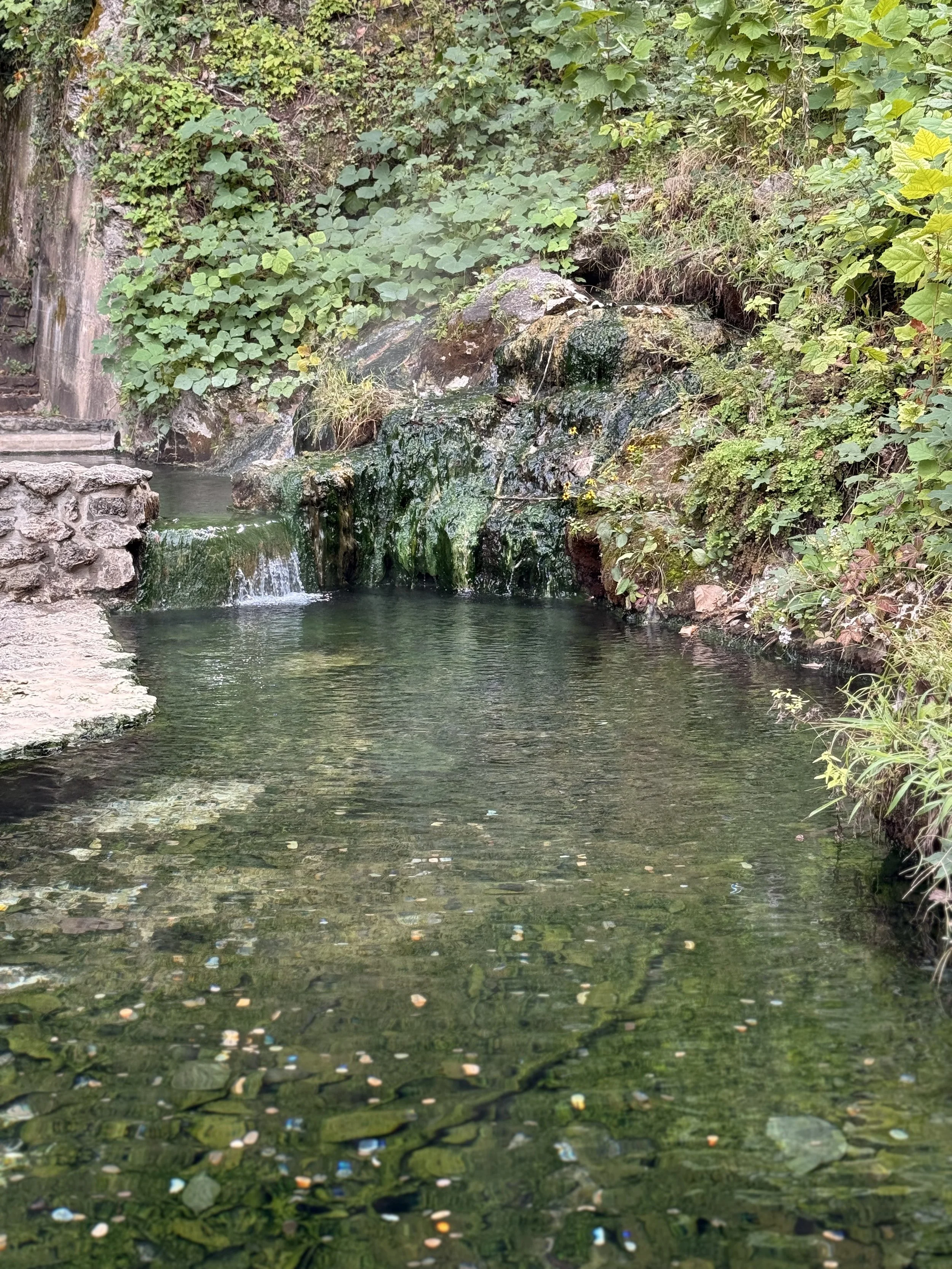
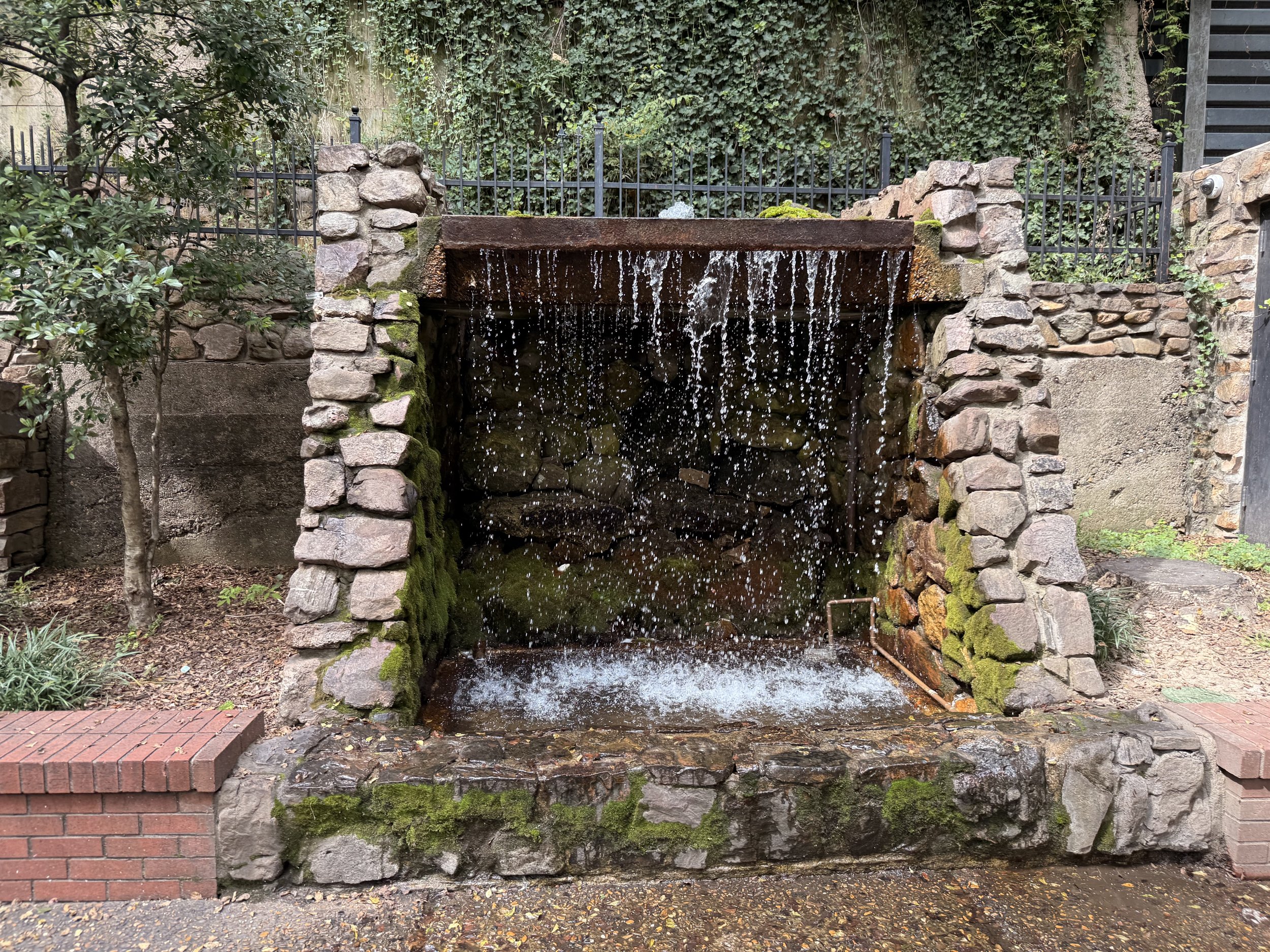
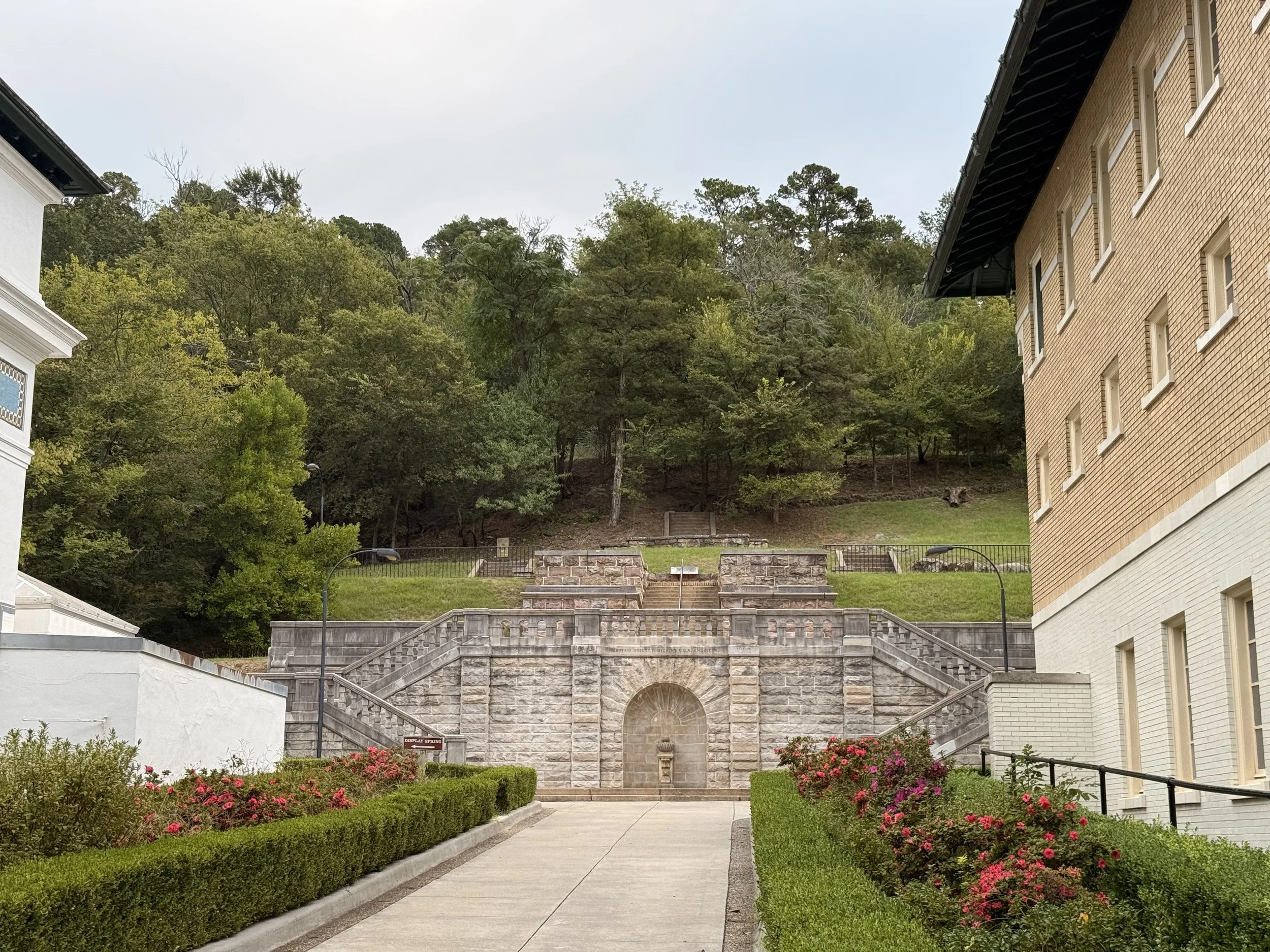
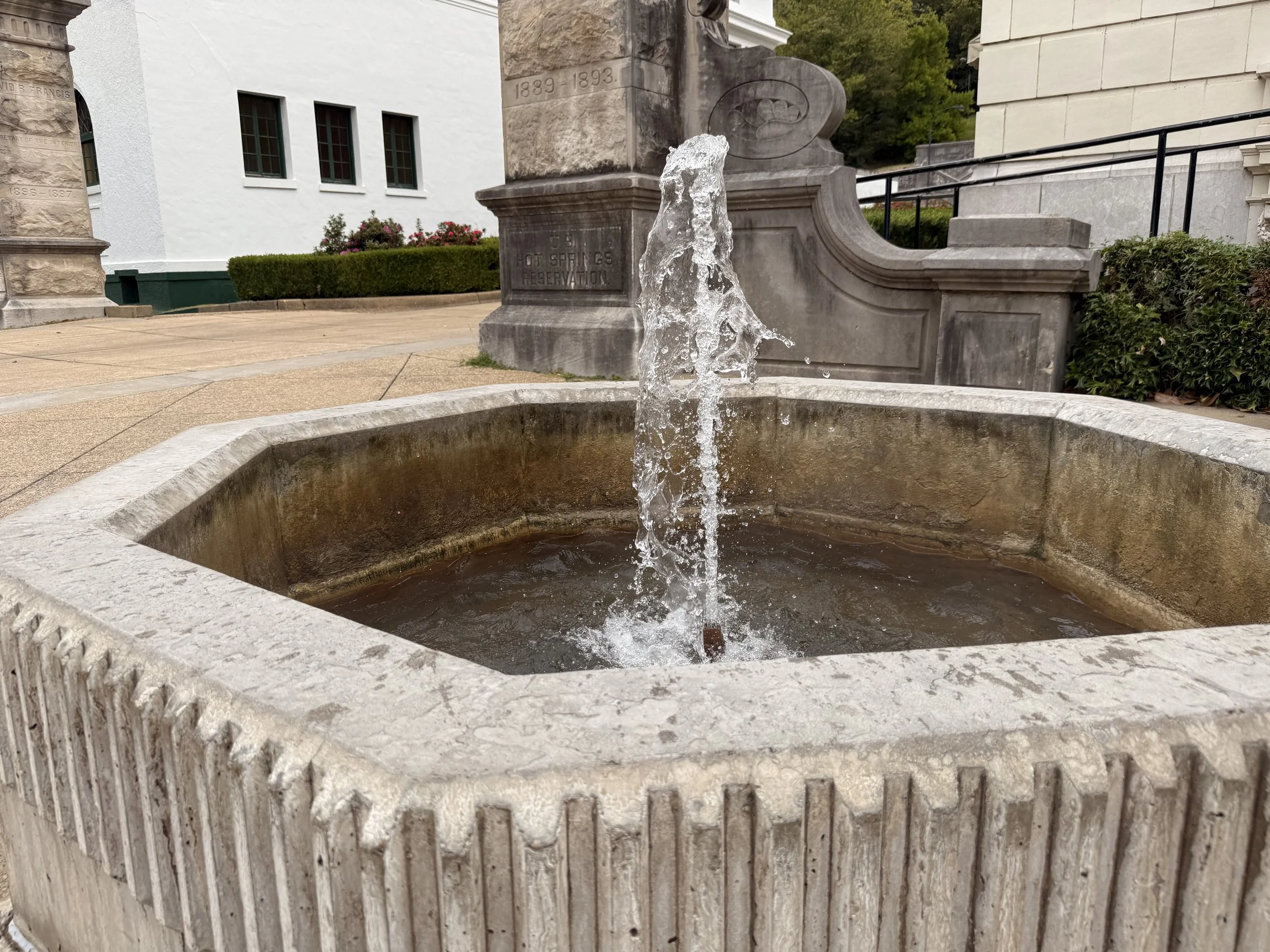
Gently spilling over a moss-covered rock hill, the water streams into a touch pool, where one can feel the heat of the springs. The 147º F water temperature means that it must be tempered in a bathhouse before bathing. Past the display spring, and up above the bathhouse row, the Hot Water Cascade violently gushes from the side of a cliff.
One can even collect the spring water from one of the many public fountains, some tempered, to drink later. Many think the 4,000-year-old water has healing powers.
Wander
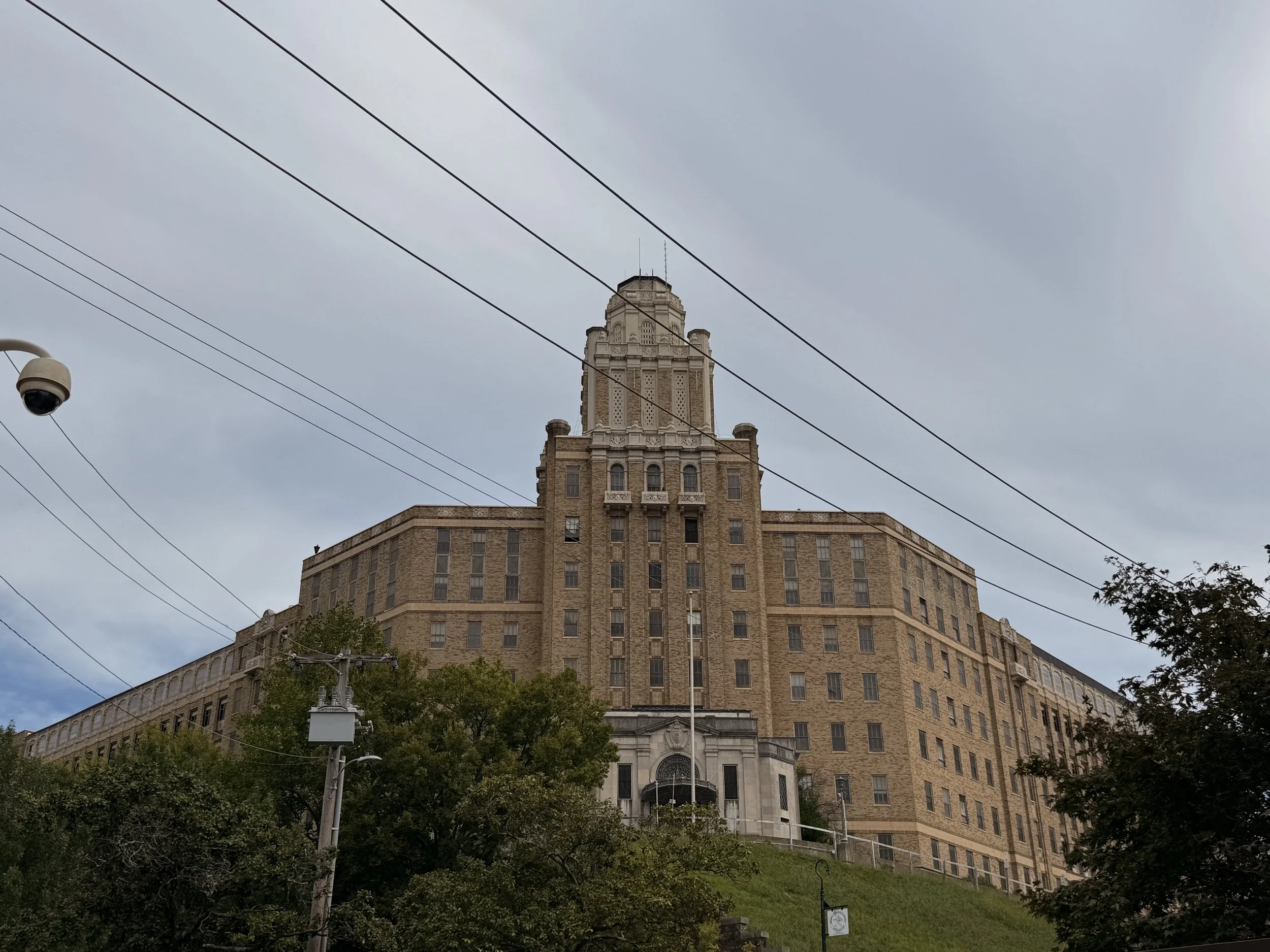
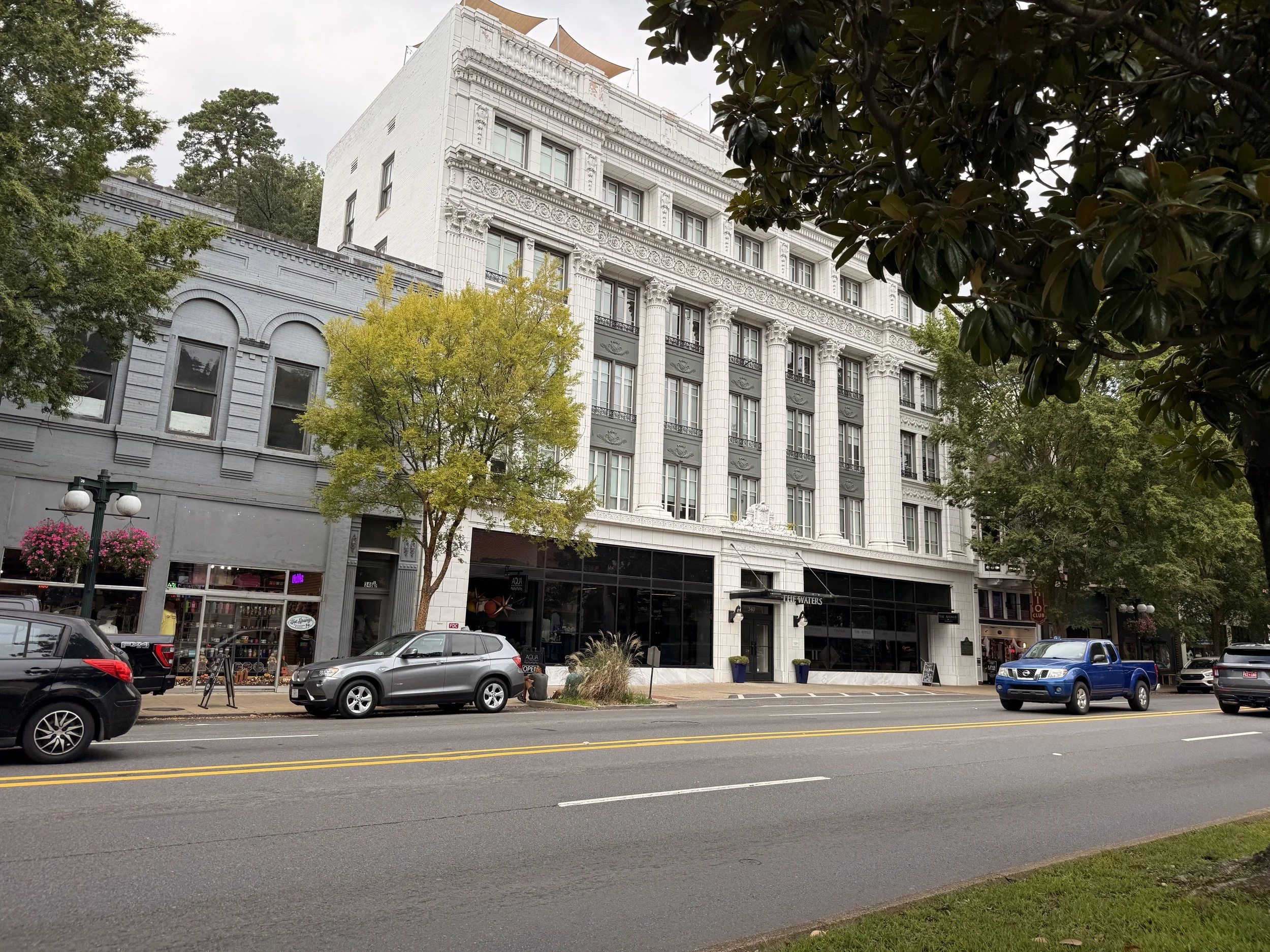
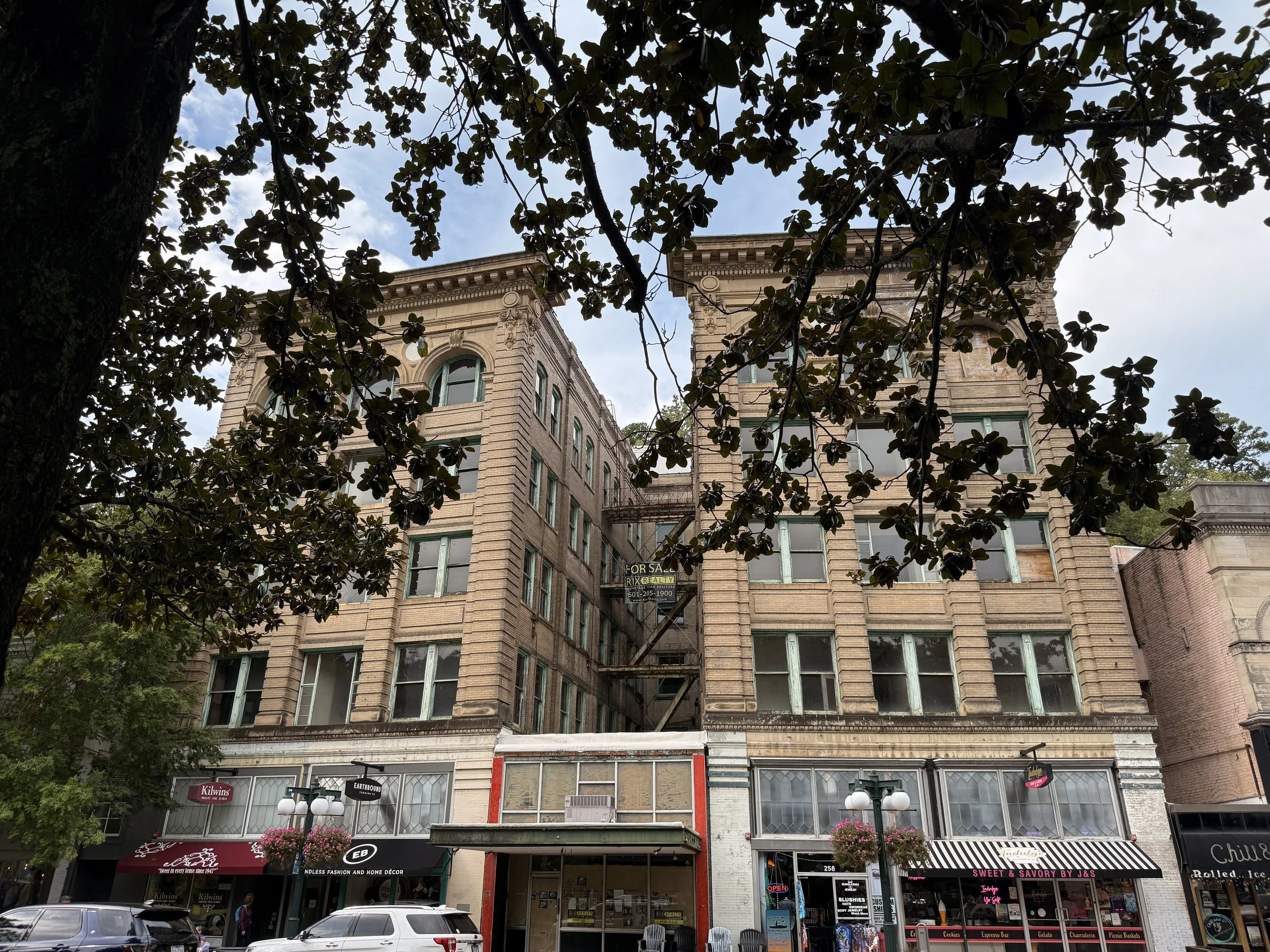
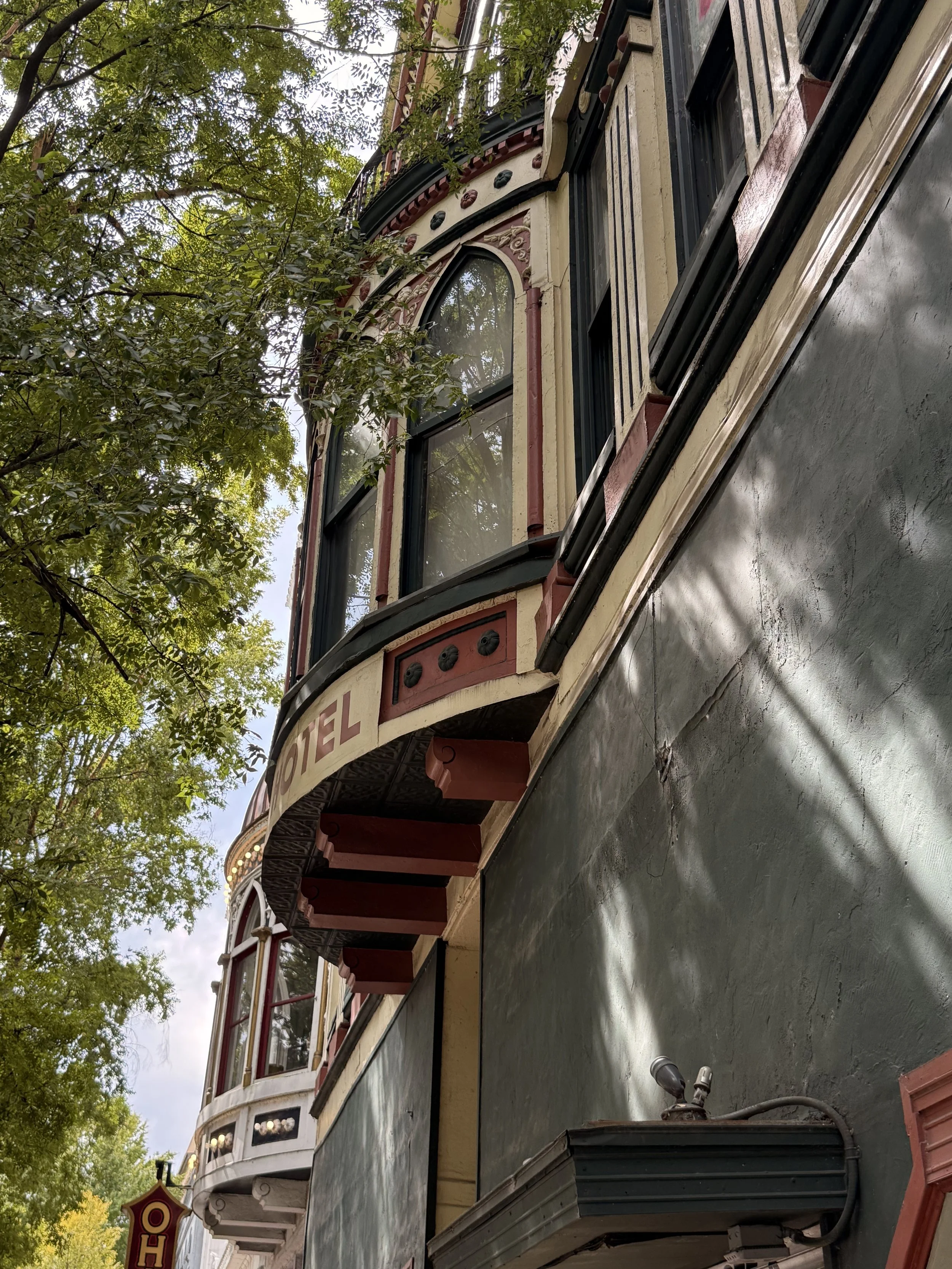
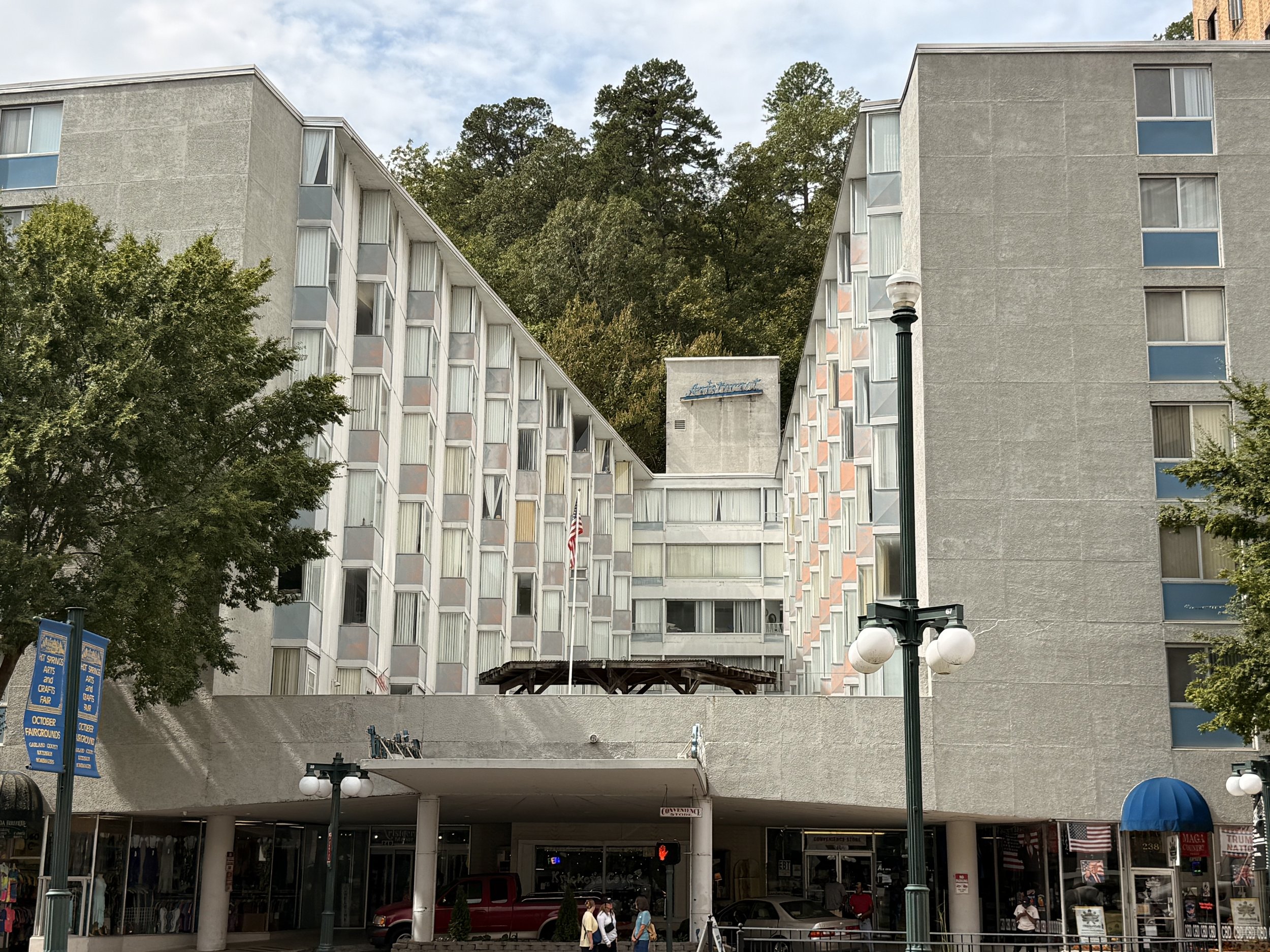
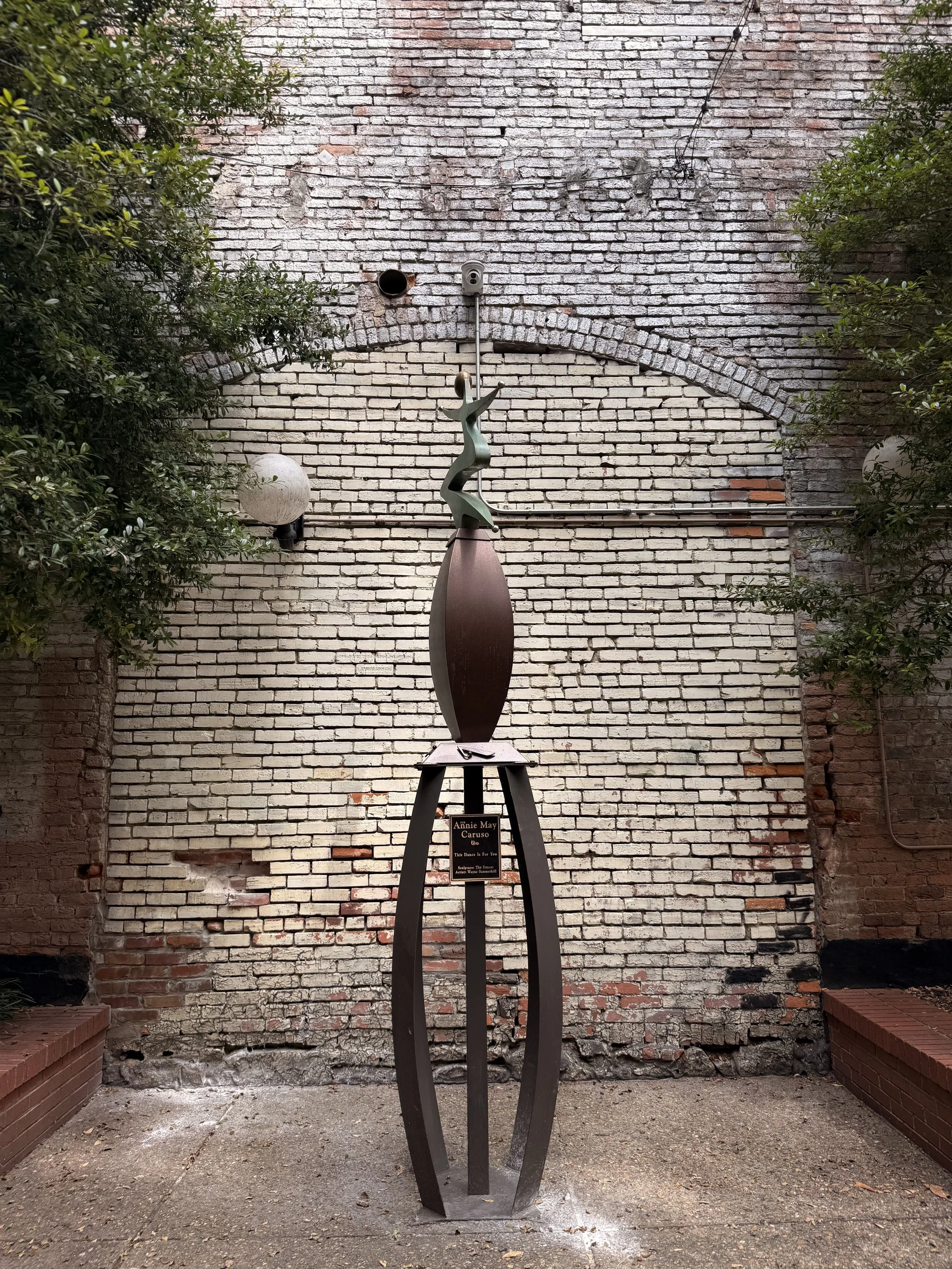
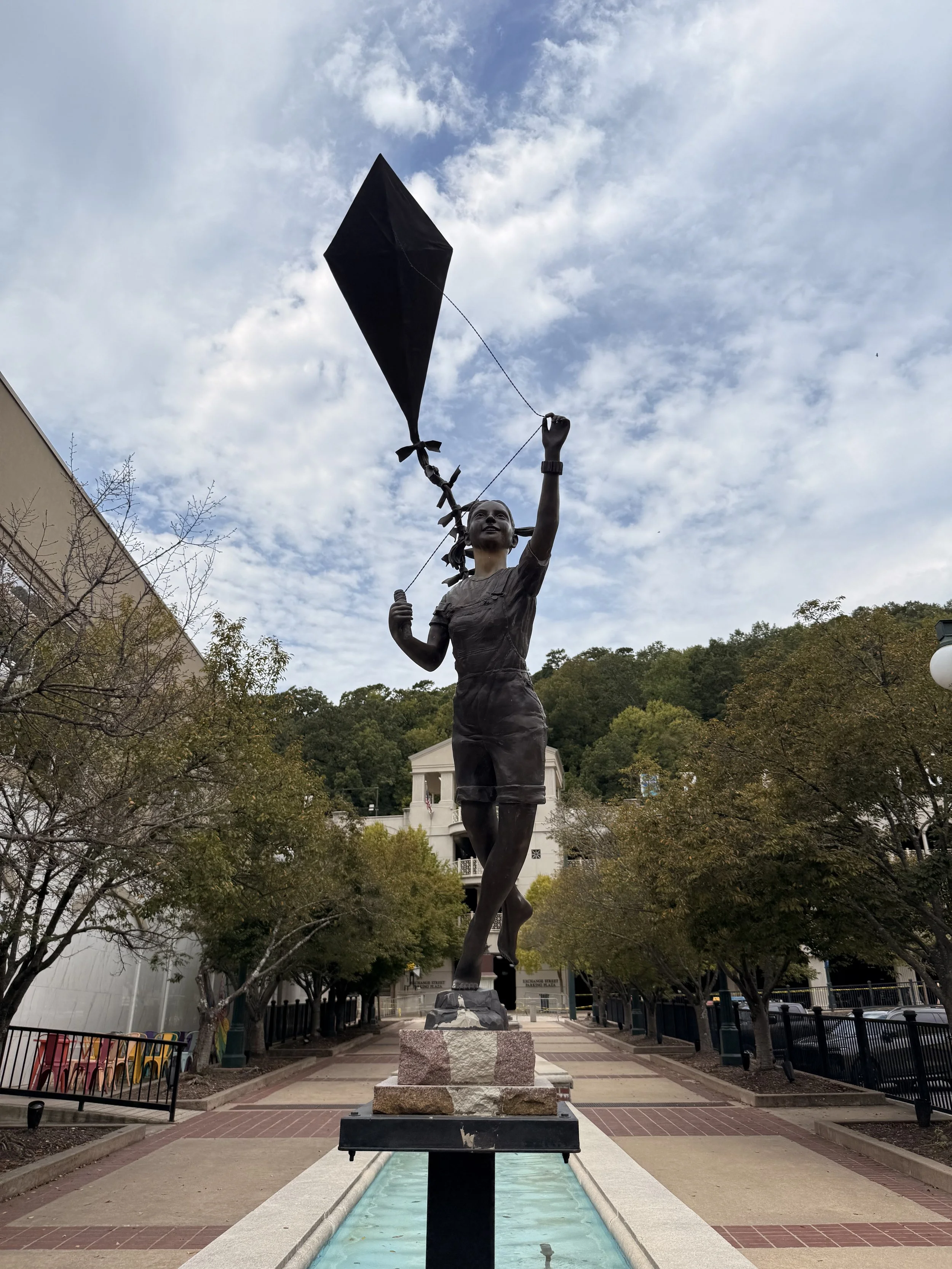
The town has so much history that it’s hard not to want to wander and see all of the art deco buildings that are teeming with history.
A History Summary
(Unknown length of time) - Members of many Native American tribes had been gathering in the valley for untold numbers of years to enjoy the healing properties of the thermal springs.
1673 - 1800 - Father Marquette and Jolliet explored the area and claimed it for France. The 1763 Treaty of Paris ceded the land to Spain; however, in 1800 control was returned to France until the Louisiana Purchase of 1803.
1804 - George Hunter and William Dunbar made an expedition to the springs, finding a lone log cabin and a few rudimentary shelters used by people visiting the springs for their healing properties.
1807 - A man named “Prudhomme” became the first settler of modern Hot Springs, and he was soon joined by John Perciful and Isaac Cates.
1818 - The Quapaw Native Americans ceded the land around the hot springs to the United States in a treaty.
1819 - 1820 - After Arkansas became its own territory in 1819, the Arkansas Territorial Legislature requested in 1820 that the springs and adjoining mountains be set aside as a federal reservation.
1832 - The Hot Springs Reservation was created by the United States Congress, granting federal protection of the thermal waters.
1862 - After the Confederate forces suffered defeat in the Battle of Pea Ridge in March 1862, the Union troops advanced toward the Confederate city of Little Rock. Confederate Governor Henry M. Rector moved his staff and state records to Hot Springs. Union forces did not attack Little Rock, and the government returned to the capital city on July 14, 1862.
1863 - Union forces occupied Little Rock. During this period, Hot Springs became the prey of guerrilla bands loosely associated with either Union or Confederate forces. They pillaged and burned the near-deserted town, leaving only a few buildings standing at the end of the Civil War.
1870 - After the Civil War, extensive rebuilding of bathhouses and hotels took place at Hot Springs. The year-round population soared to 1,200 inhabitants.
1871 - today - Pharmacist Peter Greene and his brother John bought Lockett Springs in Hot Springs and began selling mineral water they called “Mountain Valley Spring Water”. By 1928, the water’s popularity and association with the health spa boom, allowed the company to expand distribution — making Mountain Valley the first bottled water available coast to coast. Famous fans of the water include Frank Sinatra and Elvis Presley, and it was even the choice of the U.S. Senate in the 1920s. Today, visitors can explore the company’s rich history at Mountain Valley's Museum of Bottled Water. The museum showcases nearly 150 years of bottles, barrels, photographs, specialized machinery and more.
1873 - Six bathhouses and 24 hotels and boardinghouses stood near the springs. It also became the county seat of the newly formed Garland County.
1874 - 1875 - Joseph Reynolds announced his decision to construct a narrow-gauge railroad from Malvern to Hot Springs; completion in 1875 resulted in the growth of visitation to the springs. The first luxury hotel, Arlington Hotel, opened in 1875 as well.
1876 - 1880 - The Supreme Court ruled that the land title of Hot Springs belonged to the federal government. Congress formed the Hot Springs Commission to lay out streets in the town of Hot Springs, deal with land claims, define property lines, condemn buildings illegally on the permanent reservation (now the national park), and define a process for claimants to purchase land. The townsite consisted of 196 blocks and 50 miles (80 km) of streets and alleys. The remaining portion of the original four sections of government land consisted of hills and mountains which were mostly unoccupied.
1878 - A fire broke out that lasted for eight hours, destroyed large areas of the town and left over 1,000 people homeless.
1882-1899 - The Hot Springs Water Company was created. Also, Frank Flynn, a gambler, destroyed two gambling clubs operated by Jim K. Lane (because they weren’t sanctioned by him). Lane returned with S.A. Doran, a former officer in the Confederate Army, in 1884. In February that year, Doran and his men ambushed Frank and his two brothers while they were riding in a buggy. The driver of the buggy and two gamblers were killed, while Frank was wounded. Chief of Police Thomas Toler and a mob drove out Doran and his men. However, Ed Howell, one of Doran's men, refused to leave and threatened to kill Tolet, but was killed by Tolet instead. All of this contributed to the Hot Springs Gun Fight of 1899.
1884 - 1960 - John A. Logan, a retired Union general turned politician, persuaded Congress to allocate $100,000 to build an Army-Navy hospital in Hot Springs. Erected under the supervision of Captain J.W. Jacobs, the 100-bed hospital was built of wood and brick in the "pavilion style" that required patients and clinicians to traverse long distances. After WWI, Congress granted $1.5 million to build a new facility, which could hold 500 patients. It contained such cutting-edge technology as an X-ray wing and temperature-controlled morgue. The operating rooms and equipment were thought to be the finest in the country.
After the United States entered WWII, the hospital was once again overwhelmed. The Army and Navy arranged to send some overflow to the nearby Arlington and Majestic hotels. The hospital also trained dentists, surgeons, and pharmacists, and housed the first enlisted medical technician school for the Women's Army Corps. The grounds contained a kitchen and living quarters for nurses and physicians. Among the famous people treated at the hospital were Helen Keller and Joe DiMaggio. The hospital was closed on April 1, 1960 and the grounds sold to the state of Arkansas for one dollar. In 1960, the Army-Navy Hospital was turned over to the state, becoming the Hot Springs Rehabilitation Center. It was later re-designated the Arkansas Career Training Institute before being slated for closure in 2019. It is said to be extremely haunted.
1886 - early 20th century - Hot Springs was known for baseball training camps. Often called the "birthplace" of Spring training baseball, Hot Springs first welcomed Major League Baseball in 1886, when the Chicago White Stockings (now the Chicago Cubs), brought their coaches and players to the city in preparation for the upcoming season.
1894 - 1912 - The Cleveland Spiders, Pittsburgh Pirates, Brooklyn Dodgers, Chicago Cubs, Cincinnati Reds, Detroit Tigers, New York Yankees, St. Louis Cardinals and Boston Red Sox were among the major league teams that made Hot Springs their home for Spring training. Needing additional venues for teams to play, Whittington Park was built in 1894, followed by Majestic Park in 1908 and Fogel Field in 1912. 134 members of the Baseball Hall of Fame are documented to have trained or played in Hot Springs.
1902 - The Arkansas Alligator Farm was founded.
1908 - 1974 - Built in 1908, The Crystal Bathhouse was the first Black bathhouse in the city and operated until a fire destroyed it in 1913. The Pythian Bathhouse & Sanitarium opened on the site of the old Crystal Bathhouse the next year and served patrons — including many Black celebrities — until 1974.
1913 - a fire broke out on Church Street, a few blocks southeast of Bathhouse Row, near the Army and Navy Hospital. The fire burned southeast, away from the hospital, until the wind reversed an hour later. Racing toward the business section, it destroyed the Ozark Sanitarium and Hot Springs High School on its way across Malvern Avenue. Along the way, it consumed the Public Utilities plant, which destroyed the firefighters' water supply. A wide front then was blown toward Ouachita Avenue which destroyed the Garland County Court House. In total, 100 businesses, four hotels, the Iron Mountain Railroad facilities, and the Crystal Theater were destroyed. It cost nearly $10 million ($327 million today) in damage.
1914 - Several Pentecostal Christian leaders gathered in Hot Springs to form what became known as the Assemblies of God. It has since grown to become one of the largest Pentecostal denominations in the United States.
1918 - Boston Red Sox' pitcher Babe Ruth hit a long Home Run into the Arkansas Alligator Farm and Petting Zoo that altered the course of baseball history - he hit it 573 feet.
1921 - The reservation was renamed Hot Springs National Park.
1927 - 1947 - No fewer than ten major casinos and numerous smaller houses were running wide open - the largest such operation in the United States at the time. Hotels advertised the availability of prostitutes, and off-track booking was available for virtually any horse race in North America.[
1932 - 1935 - Negro league baseball teams utilized Hot Springs for spring training. He was a huge frequenter of both the spas and the racetrack.
1937 - A former sheriff, who attempted to have the state's anti-gambling laws enforced and to secure honest elections, was murdered. No one was ever charged with his killing.
1947 - 1948 - A grand jury indicted several owners and promoters, as well as McLaughlin, for public servant bribery. Although the former mayor and most of the others were acquitted, the machine's power was broken and gambling came to a halt, as McMath led a statewide "GI Revolt" into the governor's office in 1948.
1952 - An 18-year old Hank Aaron played in the Negro American League championship for the Indianapolis Clowns against the Birmingham Black Barons at Majestic Park.
1953 - Jackie Robinson played in an exhibition game at Majestic Park.
1954 - Illegal casino gambling resumed with the election of Orval Faubus as governor in 1954.
1956 - 1963 - School desegregation started in 1956 with a high school auto mechanics course, but the conflict over the desegregation of Central High School in Little Rock the following year stalled local efforts until 1963, when a limited voluntary desegregation plan was announced.
1964 - William Jefferson Clinton, the 42nd President of the United States, graduated from Hot Springs, AR.
1967 - Gambling was finally closed down by two Republican officeholders, Governor Winthrop Rockefeller and Circuit Judge Henry M. Britt. Rockefeller, who sent in a company of state troopers to shutter the casinos and burn their gaming equipment.
1969 - 2015 - Quapaw Technical Institute was established in 1969, and, in 1973, Garland County Community College was created; thirty years later, these were merged into National Park Community College (NPCC), which was renamed National Park College (NPC) in 2015.
2004 - The World’s Shortest St. Patrick’s Day Parade began this year and still takes place on Bridge Street, today.
2007 - Most of the members of the Monastery of Our Lady of Charity and Refuge, also known as the Good Shepherd Home, which was founded in 1908, were excommunicated by the Roman Catholic Church for heresy.
2013 - The metro area was ranked by Forbes as one of the top "small places for business and careers", citing a low cost of doing business, high job growth and an educated workforce.
2014 - The Majestic Hotel, a major downtown landmark, caught fire. After lying empty for more than two years, the structure was demolished in late 2016.
