Exploring Phoenix, AZ
Time Needed in this town: 3-4 nights (more if you’re taking day trips)
Phoenix has had a long history of being a prosperous city with staggering year-over-year growth. Sure, it gets hot, but that doesn’t seem to stop the nearly 1.7 million people that live in Phoenix proper alone (part of the overall 6 million people that live in the metropolitan area) due to it’s arid climate, it’s abundance of jobs and natural beauty. While people come visit to enjoy the healthy lifestyle, they leave dreaming of a day they don’t have to. Being a proud resident of the area, I totally understand why.
The below information is a complete guide of the best places to stay, the top rated places to dine and drink, and all there is to see and do. We’ve also included a summary of the history of this (insert adjectives and kind of place here).
Jump To:
Where to Stay
Kimpton Hotel Palomar Phoenix (Downtown)
The Kimpton Palomar is our “go-to” hotel for downtown Phoenix. Being an IHG Member with a Diamond Elite status, they have always provided me the perks that go along with it, including being upgrade to a suite (when available), welcome treats, as well as a “raid-the-bar” credit, breakfast or points.
They also have two restaurants on the property: Blue Hound Kitchen and Cocktails (book a month in advance for that one - see our video review under our dining section below) and Eden - their rooftop, outdoor restaurant. Both are great options, though Eden has beautiful views of the pool and of the Phoenix landscape!
Finally, they are VERY dog-friendly with free treats and water in the lobby (you also get a polaroid picture of them), as well as bedding and other amenities.
TIP: Valet your car - they park it in the secure garage that they share with the apartment complex next door.
The Camby, Autograph Collection (Biltmore)
Arizona Biltmore, LXR Hotels & Resorts (Biltmore)
JW Marriott Phoenix Desert Ridge Resort & Spa (Desert Ridge)
Royal Palms Resort and Spa -The Unbound Collection by Hyatt (Arcadia)
The Global Ambassador (Arcadia)
Where to Dine & Drink
Arcadia
Other Recommendations
Relaxed restaurant luring locals with seasonal New American meals & an extensive wine list.
Bustling, industrial-chic eatery featuring American comfort fare & a patio overlooking the canal.
Elegant eatery with a patio, offering an American menu all day, along with a full bar.
Classy restaurant with a patio & stylish decor specializing in high-end Latin meat & seafood dishes.
Biltmore
Tarbell’s (Biltmore)
Other Recommendations
Christopher’s at Wrigley Mansion
French-inspired bistro fare is served at this upscale mall spot with modern decor & an open kitchen.
Elegant, sprawling Italianate mansion built by William Wrigley, Jr., in 1929. Tours are offered.
Serving Mexican-inspired American dishes.
Creative, globally inspired New American fare joins a menu of 200+ whiskeys at this stylish bistro.
Wright Bar at the Arizona Biltmore
Contemporary restaurant dishing out high-end New American fare inside the luxury Biltmore Hotel.
Downtown Phoenix
Other Recommendations
Classic Mexican dishes & drinks with patio seating in the historic San Carlos Hotel.
Upscale, old-school chophouse serving steak, seafood & martinis in a vintage red-velvet setting.
Per their site, “Humble Bistro is a new take on classic Italian dishes and New American cuisine. With our diverse and unique menu options, there will be something for everyone! From our handcrafted pastas to our mouth-watering pizzas, we craft all of our dishes with passion.”
Casual restaurant with a bar offering Mexican fusion cuisine, live music, and a kids' menu.
Internationally inspired small plates and innovative cocktails served in a cozy setting with late-night hours.
Restaurant with retro-style surroundings offering Southern-style comfort food & cocktails.
Cozy coffee spot offering specialty drinks like the strawberry latte and light meals (waffles, sandwiches, pastries).
Mediterranean & French fare crafted in an elegant redbrick cottage that has a patio & a bar.
Family-run trattoria serving refined renditions of Italian faves in white-tablecloth surrounds.
Northern Phoenix
Breakfast Kitchen Bar (Desert Ridge)
Other Recommendations
Butters Pancakes & Cafe (Desert Ridge)
Breakfast and lunch joint specializing in fluffy eggs, pancakes and waffles, plus omelets.
Cafe Balkan (N. Phoenix)
Authentic, Balkan cafe dishing up savory and sweet plates, such as kebabs, along with pastries.
Cozy eatery offering burgers and fried fare, plus a bar serving gluten-free options.
HULA'S Modern Tiki High Street (Desert Ridge)
This stylish eatery & bar with old-school tiki flair offers Polynesian-inspired entrees & drinks.
Humble Oysters and Bubbles (Desert Ridge)
Oyster and seafood specialist, offering an assortment of raw shellfish as well as cocktails, Champagne and wine.
ProteinHouse (Desert Ridge)
Serving protein-packed dishes.
Sunshine Breakfast Bar (N. Phoenix)
Laid-back venue offering familiar breakfast, brunch & lunch dishes, plus cocktails & a terrace.
Phoenix (Other Areas)
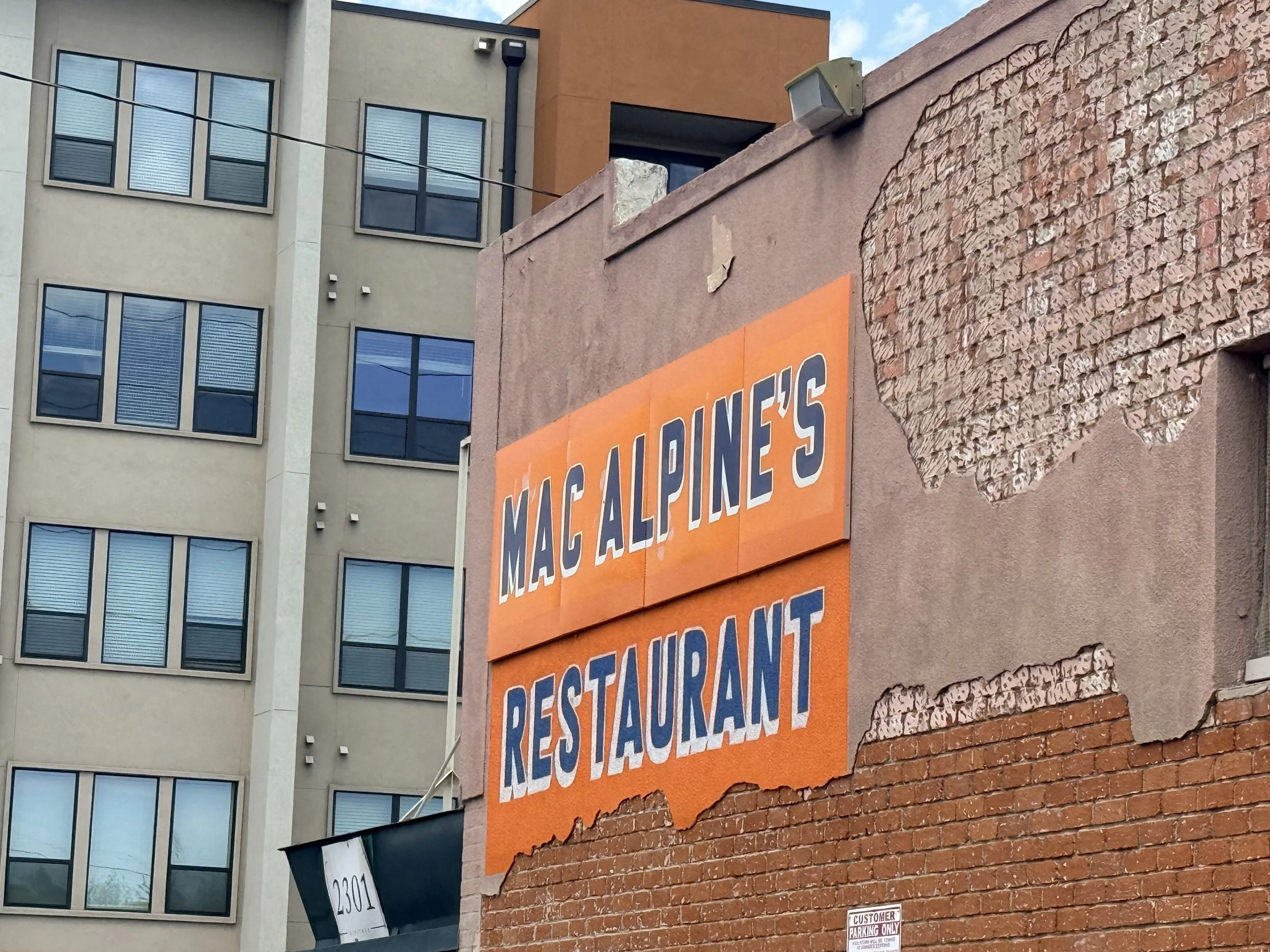
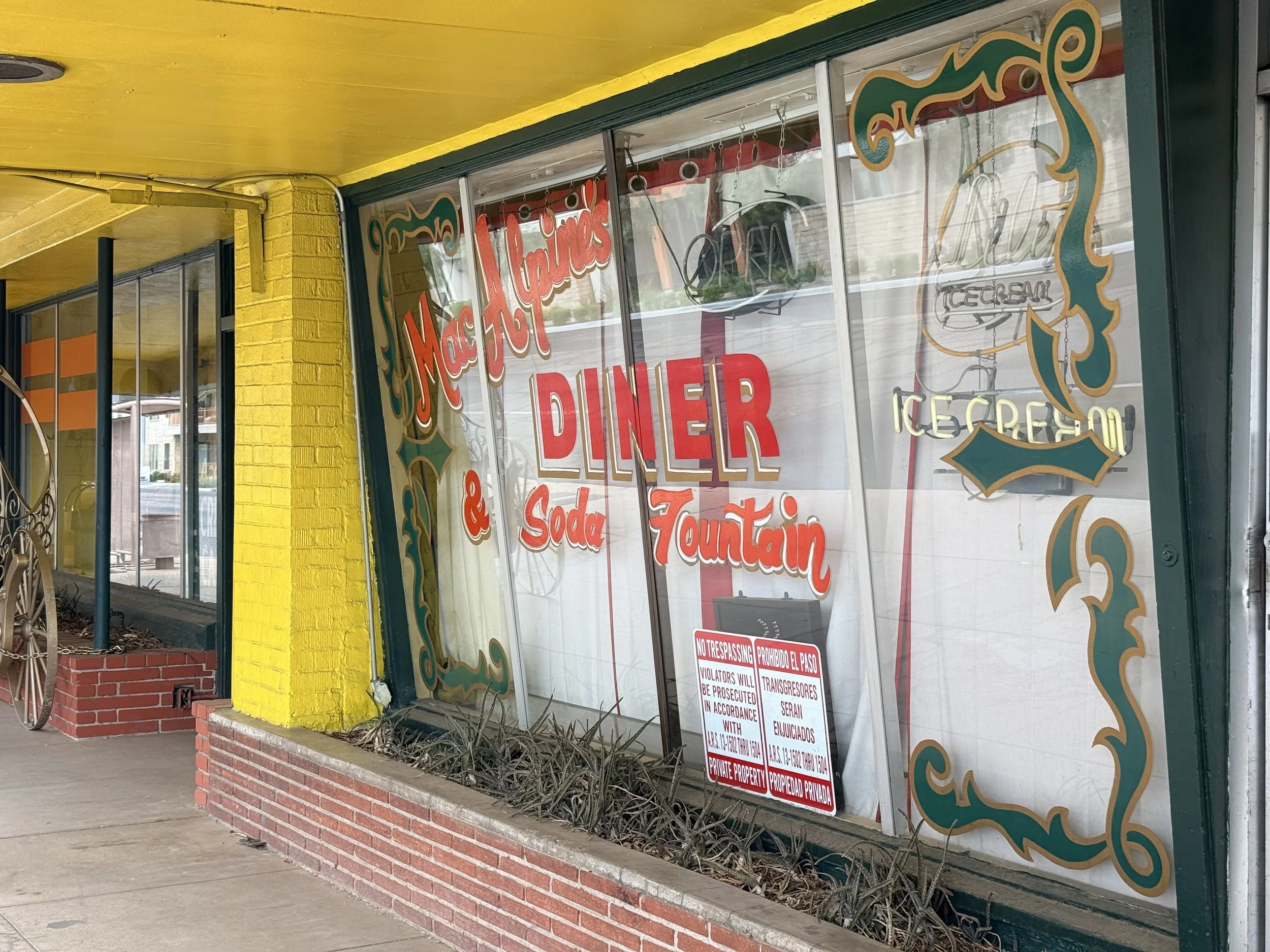
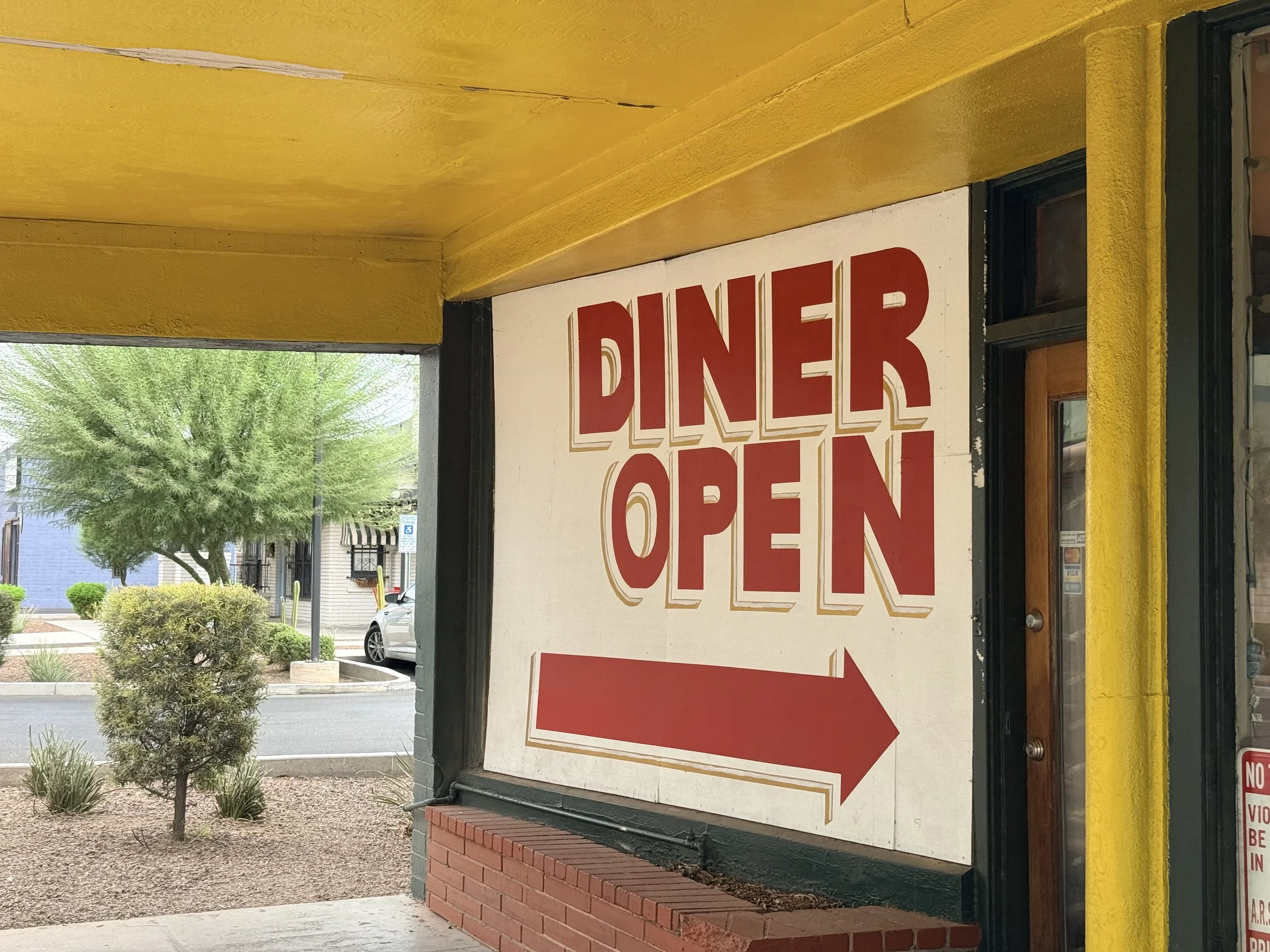
FEATURED: MacAlpine's Diner & Soda Fountain (Uptown)
If you have never heard of MacAlpine's, this is your chance to read on! Opened in 1929, it was originally called "Birch's Pharmacy" and true to most pharmacies back then, it had a soda fountain. Fast forward nine years to 1938, and Fred MacAlpine purchased it, renaming it for his namesake, and operating it as a full-service pharmacy and soda fountain until 1991. It was then purchased by a couple who still own it today and have kept it in as much of its original condition as possible, including the soda fountain, the counter, and the malt machine.
When you park and walk to the front of the yellow building, you can't help but feel joy. The storefront windows, the antiques, all of it make you wonder just how far back in time you're going to travel. Once you've stepped foot inside and onto the checkered floor, you can't help but smile at the counter, all of the antiques from decades past, and the wait staff who wears 1950s uniforms.
We slid into our wood booth with the tiny jukebox on the wall and immediately got to reviewing the extensive menu. Everything... and I mean EVERYTHING... looked good. Bonus: They have gluten-free bread!
My husband chose the cheeseburger and I chose the turkey BLT (on gluten-free bread) - both were delicious! We then opted to share a mint chocolate chip milkshake that was created on the original 1940s machine - something that completed the experience.
When we were done, we were fortunate enough to chat with Monica Heizenrader, co-owner of MacAlpine's wth her daughter. She is a very kind woman who is very passionate about keeping the history of this diner alive, even taking to selling antiques (in the other rooms of the building) to help support the upkeep. However, with rising costs and some family challenges, it's getting tough. She was proud to have kept this going as long as she and her family have and even mentioned some of the more notable people that have stepped into the diner over the decades, including Barry Goldwater (a regular), Joan Ganz Cooney (one of the creators of Sesame Street), Frank Lloyd Wright, Aunt Maud, Marshall Good, Wayne Newton (who was discovered by a talent scout there), and more!
If you're not able to visit Phoenix and this beautiful place any time soon, consider making a donation to keep it open - the link can be found on their website.
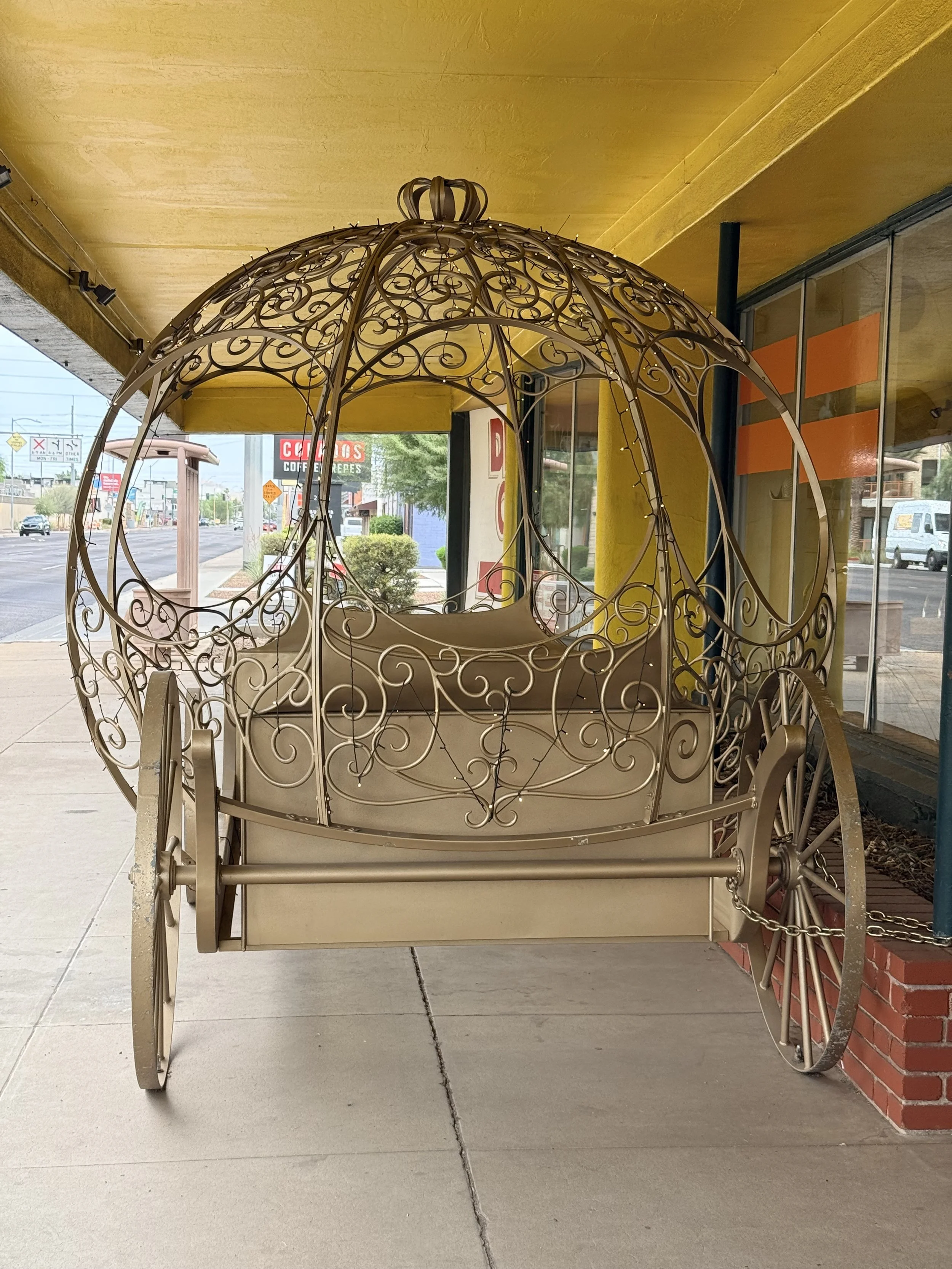
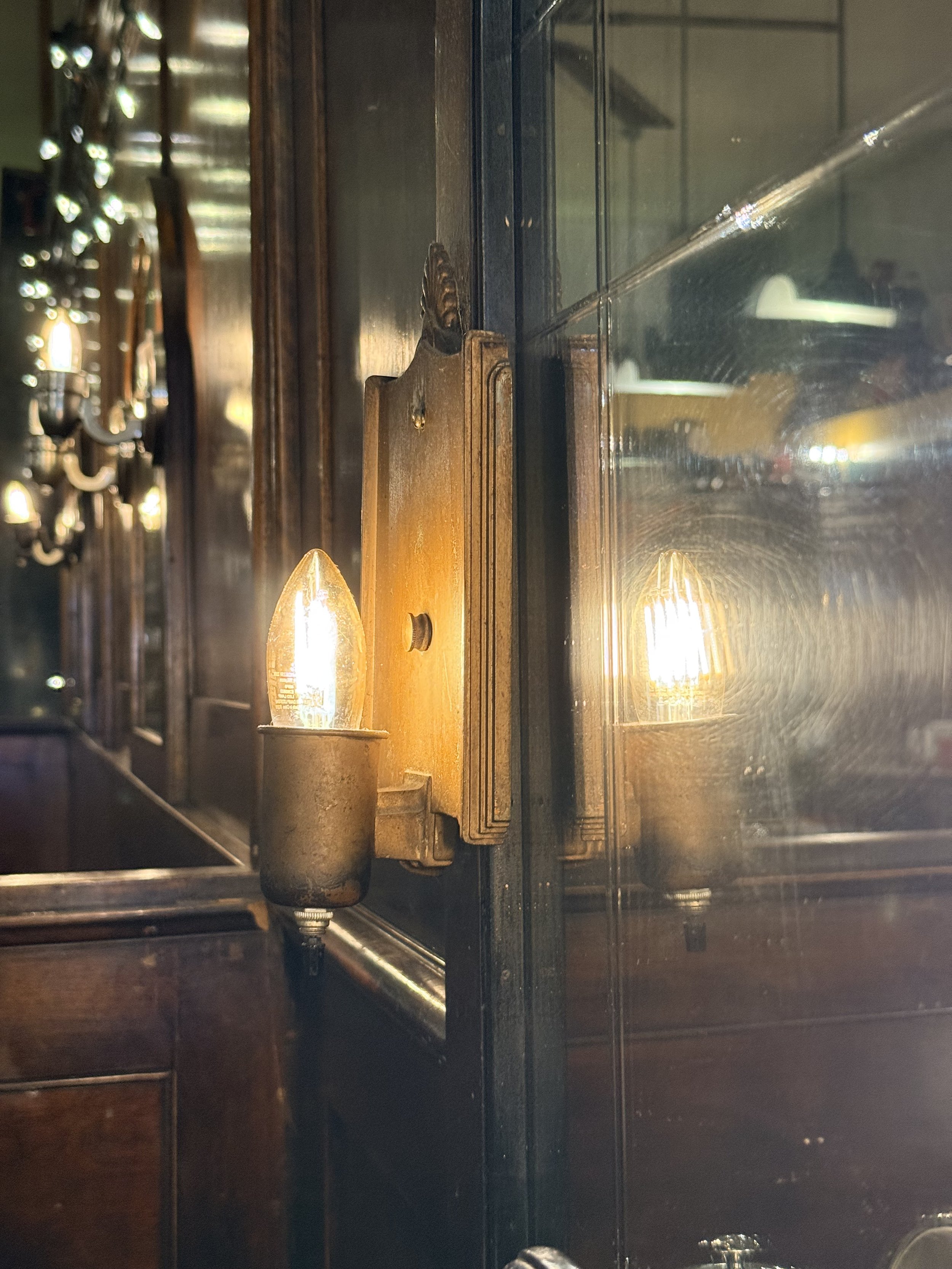
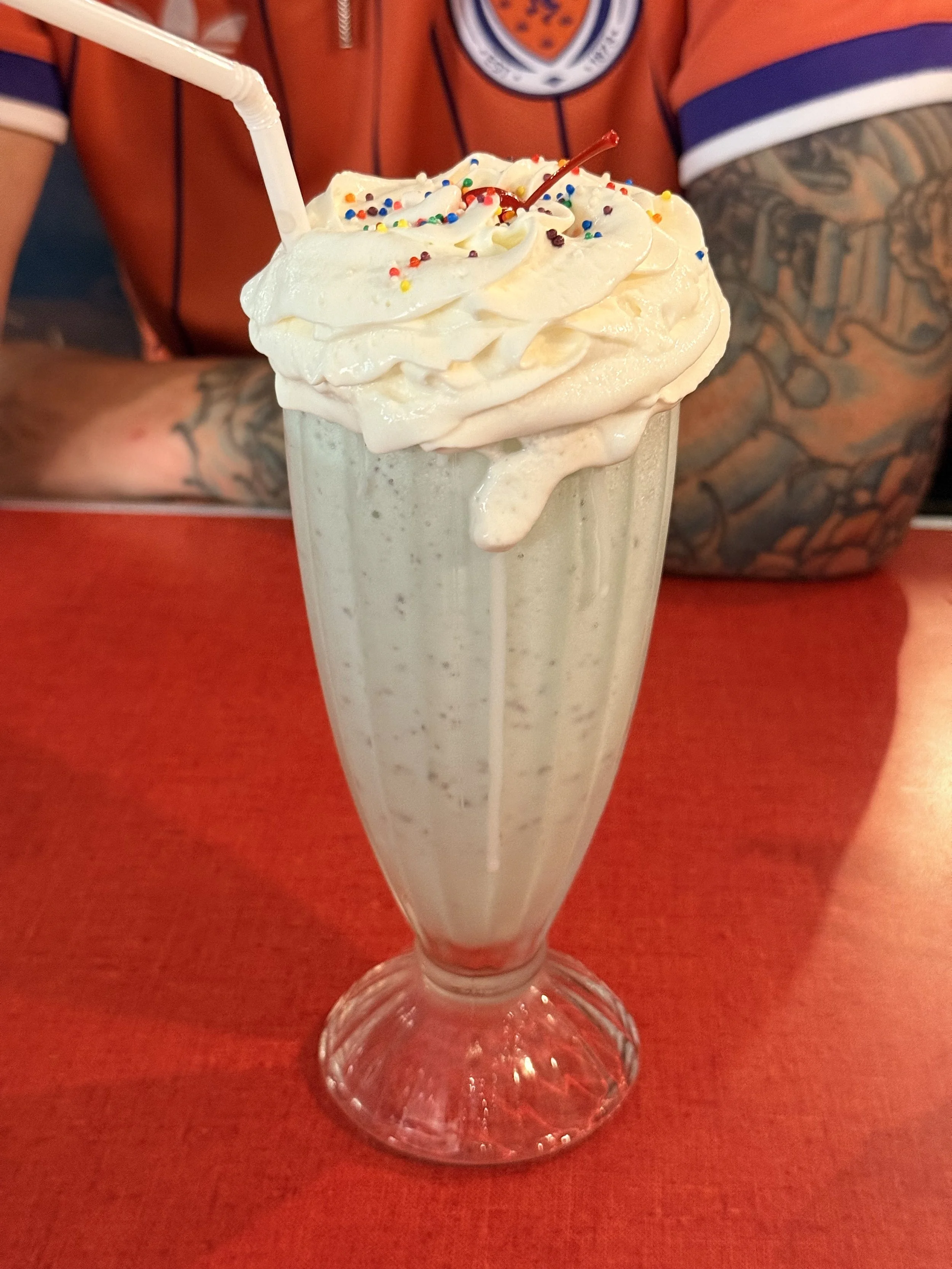
Maskadores Taco Shop (TEMPE)
Monroe’s Hot Chicken (TEMPE)
TACO Guild (Uptown)
Other Recommendations
Neon signs, bold murals, a life-sized jaguar, and dark atmosphere set the tone for an evening of indulgence and excitement. Chef Rene Vargas has created a menu that’s both craveable and cleverly over the top. Highlights include tuna-pineapple ceviche, paired with plantain chips, and grilled oysters with gochujang butter and chihuahua queso. The statement-making 42-oz. bone-in short rib is served with a sesame chimichurri.
Unpretentious spot serving savory & sweet creations made from Native American fry bread.
Perfect Pear Bistro (Tempe)
Casual, healthy, airy spot serving sandwiches, tacos and craft beer in relaxed surroundings.
Society (Tempe)
Laid-back eatery featuring handmade pasta dishes and an upscale selection of meatballs and cocktails.
The Hudson Eatery & Bar (Tempe)
Easygoing destination featuring craft beers, as well as burgers & homestyle cooking.
Things to See & Do
Day Trips
Apache Junction (1 hour from N. Phoenix)
Arcosanti (1 hour from N. Phoenix)
Chandler/Gilbert/Mesa (40 minutes from N. Phoenix)
Cottonwood (1.5 hours from N. Phoenix)
Florence (1 hour from N. Phoenix)
Jerome (1.5 hours from N. Phoenix)
Queen Creek (1 hour from N. Phoenix)
Scottsdale (20 minutes from N. Phoenix)
Sedona (1.5 hours from N. Phoenix)
Historical Exploration
Arizona Latino Arts and Cultural Center (ALAC)
The Arizona Latino Arts and Cultural Center works to promote and preserve the legacy of Latino arts & culture in the heart of downtown Phoenix, Arizona.
Frank Llyod Wright’s Taliesin west
Taliesin West is a studio and home developed by the American architect Frank Lloyd Wright in Scottsdale, Arizona, United States. Named after Wright's Taliesin studio in Spring Green, Wisconsin, Taliesin West was Wright's winter home and studio from 1937 until his death in 1959.
Hall of Flame Museum of Firefighting
The National Historical Fire Foundation is a museum dedicated to the historical preservation of firefighting equipment used through the years around the world. The museum's artifacts were originally the private collection of George F. Getz Jr., who opened the original Hall of Flame in Wisconsin in 1961.
Phoenix Police Museum
Step back in time and uncover the captivating saga of law enforcement in Phoenix at The Phoenix Police Museum. Immerse yourself in 144 years of fascinating history from 1881 to the present day. Located in the heart of downtown Phoenix, discover captivating stories, intriguing artifacts, and interactive displays.
Pioneer Living History Museum
The museum, also known as “Pioneer Arizona”, has 30 historic original and reconstructed buildings from the 1880s and early 1900s on its 90-acre property.
Pioneer Telephone Museum
Completed history of telephones that date back to Alexander Graham Bell.
The Flying “V” Cabin
This rustic cabin, outfitted with gun slits, was once home to John D. Tewksbury, patriarch of the bloodiest family feud in American history.
S'edav Va'aki Museum
S'edav Va'aki is a pre-Columbian archaeological site and National Historic Landmark located in Phoenix, Arizona. It includes a prehistoric platform mound and irrigation canals. The City of Phoenix manages these resources through the adjacent S'edav Va'aki Museum.
The Square PHX
This community gathering space is a resource for informal education, arts, and culture. It is located on the traditional territory and homelands of the O’Odham and Piipaash peoples and their ancestors. The buildings at Heritage & Science Park date back to the late 19th and early 20th centuries, on Block 14 of the townsite of Phoenix. They include the iconic Rosson House Museum, award-winning restaurants, unique shops, the beautiful Lath House Pavilion, and lush gardens, creating a hub for exploring the city’s past, present, and future.
Tovrea Castle
Locally known as the "Wedding Cake Castle," Tovrea Castle was built from 1929 to 1931 in a vernacular Italianate Architectural Style by Alessio Carraro, and was originally intended as the hotel centerpiece of a planned destination resort. It became a private residence after its purchase in 1931 by E.A. and Della Tovrea. The castle is part of the Phoenix Parks System and is designated as one of the Phoenix Points of Pride. The castle and grounds have over 5,000 individual cacti in over 100 different varieties, maintained by Tovrea Carraro Society. The Society offers guided tours of the grounds, first floor, and basement along with special events as the Operator and Manager of the site.
The castle was added to the National Register of Historic Places in 1996. Earlier names for the structure included "Carraro Heights" and "El Castillo". The signs label it "Tovrea Castle at Carrarro Heights".
Wrigley Mansion
Per their site, “Constructed in 1931 by chewing gum magnate, William Wrigley Jr., Wrigley Mansion is more than a majestic historic estate, it’s also a love story that’s spanned nearly a century. Built as a 50th-anniversary gift to Wrigley’s wife, Ada, it changed hands several times until it was saved from the wrecking ball and lovingly restored by another couple, Geordie and Jamie Hormel.
Although Geordie sadly passed away in 2006, Jamie continues to run this grand estate, completing a year long renovation in 2021. Today, Wrigley Mansion is recognized as Arizona’s premier fine dining and special event venue, home to Geordie’s, Jamie’s Wine Bar, Christopher’s at Wrigley Mansion, six private dining options, and a beautiful ballroom.”
Religious History
Brophy Chapel
Brophy Chapel was constructed in 1928, along with the original college, as a donation from Mrs. William Henry Brophy, in memory of her late husband.
The building's altar is pink tufa, quarried near Wickenburg, designed in a Mexican baroque style. A painting of the Holy Family, by an unknown Italian artist of the 15th century, is framed above. Inside the sacristy, a 1670 crucifix from the Monk's Cemetery at Evaux in France is hung.
Local blacksmiths built the heavily Spanish-inspired wrought iron chandeliers. Other metalwork includes the original Communion rail, moved after Vatican Council II to a side altar.
The stained glass windows were executed in Dublin, Ireland, by the artists of An Tur Gloine. All except one in the choir loft had been ordered by 1934; a local artist was commissioned to create this remaining window in 1985.
St. Mary's Roman Catholic Basilica
St. Mary’s Basilica, named The Church of the Immaculate Conception of the Blessed Virgin is the oldest Catholic parish in Phoenix and was the only Catholic parish in Phoenix until 1924. It holds a unique place in the history of the Church and in the Diocese of Phoenix. On September 2, 1985, Pope Saint John Paul II solemnly proclaimed the Church of the Immaculate Conception of the Blessed Virgin Mary to be a Minor Basilica. At that time, for historical, cultural, artistic, and spiritual reasons, St. Mary’s became the 32nd basilica in the United States. While on his American Visit, Pope Saint John Paul II visited St. Mary’s knelt in prayer in the center aisle and then spoke to the crowd from the balcony on September 14, 1987. St. Mary's Basilica is a parish of the Franciscan friars of the Province of Saint Barbara. The first Franciscan came to the area in 1539.
The Arts & Sciences
Arizona Science Center (Downtown)
Located in the heart of Downtown Phoenix, Arizona Science Center has been a hub for science and discovery for the community and visitors. Featuring more than 300 hands-on exhibits, live demonstrations, a range of interactive online science content, the state-of-the-art Dorrance Planetarium, and the five-story Irene P. Flinn Giant Screen Theater– Arizona Science Center offers programs for all ages.
Carnival of Illusions
Per their site, “Experience the GREATEST MAGICIANS as seen on America's Got Talent, Penn & Teller's Fool Us, Masters of Illusion, The Illusionists, Broadway, the Vegas Strip, and MORE. This is an interactive Up-Close Experience where you can see the BEST of the BEST right here in Arizona. Calling all Magic lovers, THIS IS IT!”
Celebrity TheatRE
Celebrity theatre opened on January 13th, 1964 with the musical “South Pacific”, starring Betsy Palmer. In 1978, George Carlin recorded his HBO stand-up special “George Carlin: Again!” and in the years since, it’s hosted the likes of Liberace, Billy Joel, Van Halen, Etta James, Bert Kreischer, Whitney Houston, The Weeknd, Duran Duran, Don Rickles, George Carlin, Jeff Beck, Diana Ross, Grateful Dead, The Beastie Boys, Chris Rock, Beyonce, Kendrick Lamar, Sammy Davis Jr., Smashing Pumpkins, Lynyrd Skynyrd, David Bowie, B.B. King, Olivia Newton-John, Nat King Cole, Fleetwood Mac. In 2022, it hosted Nate Bargatze for four sold out nights to record his new special, “Hello World”. Later that year, Tom Segura brought the cameras back to the round for four sold out shows for his new Netflix special “Tom Segura: Sledgehammer,” released in 2023. For 60 years, the historic venue has provided patrons with the ultimate in entertainment viewing featuring an extremely rare revolving stage and no seat is more than 70 feet away from your favorite artist!
Grady Gammage Auditorium (TEmpe)
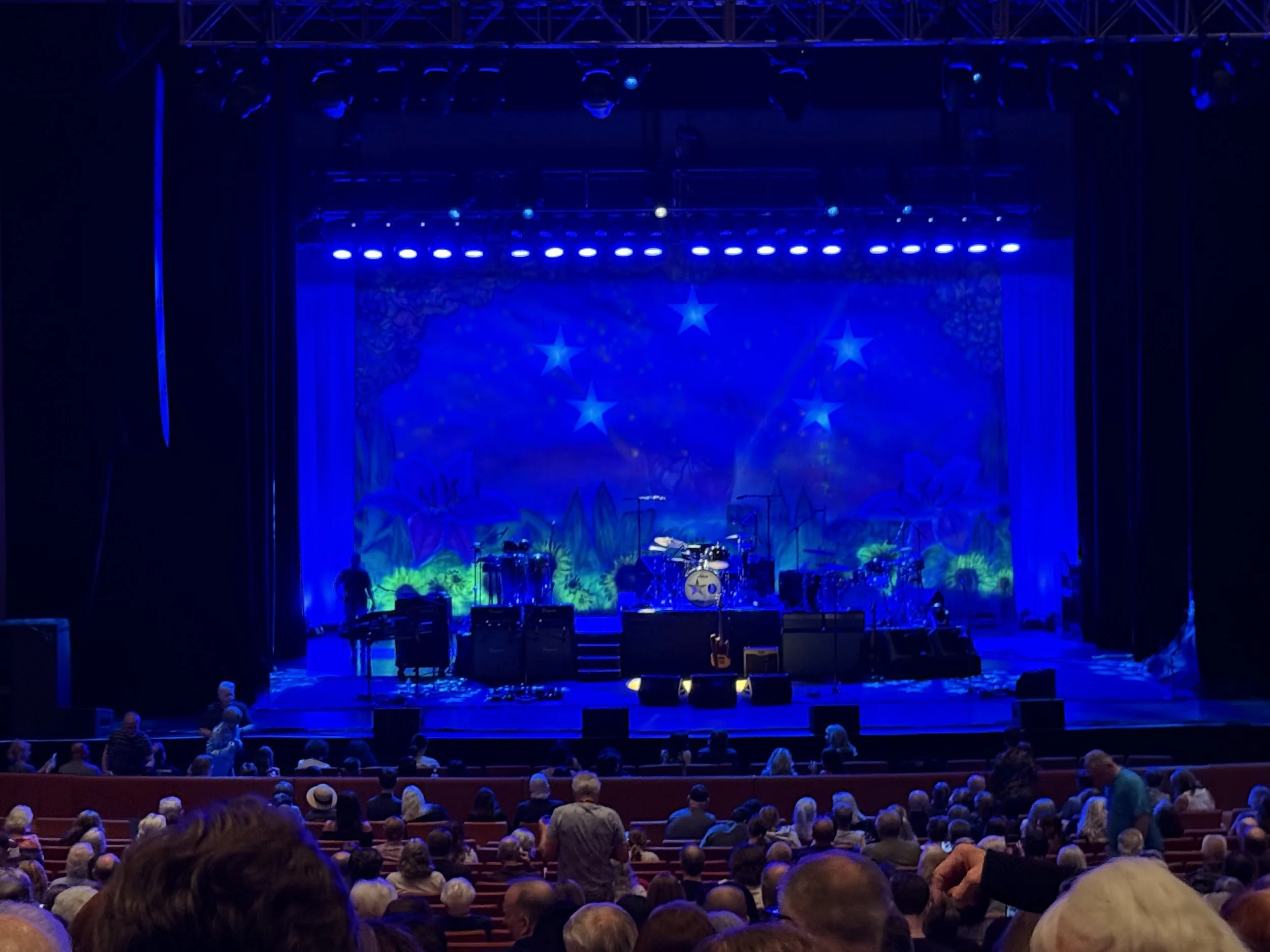
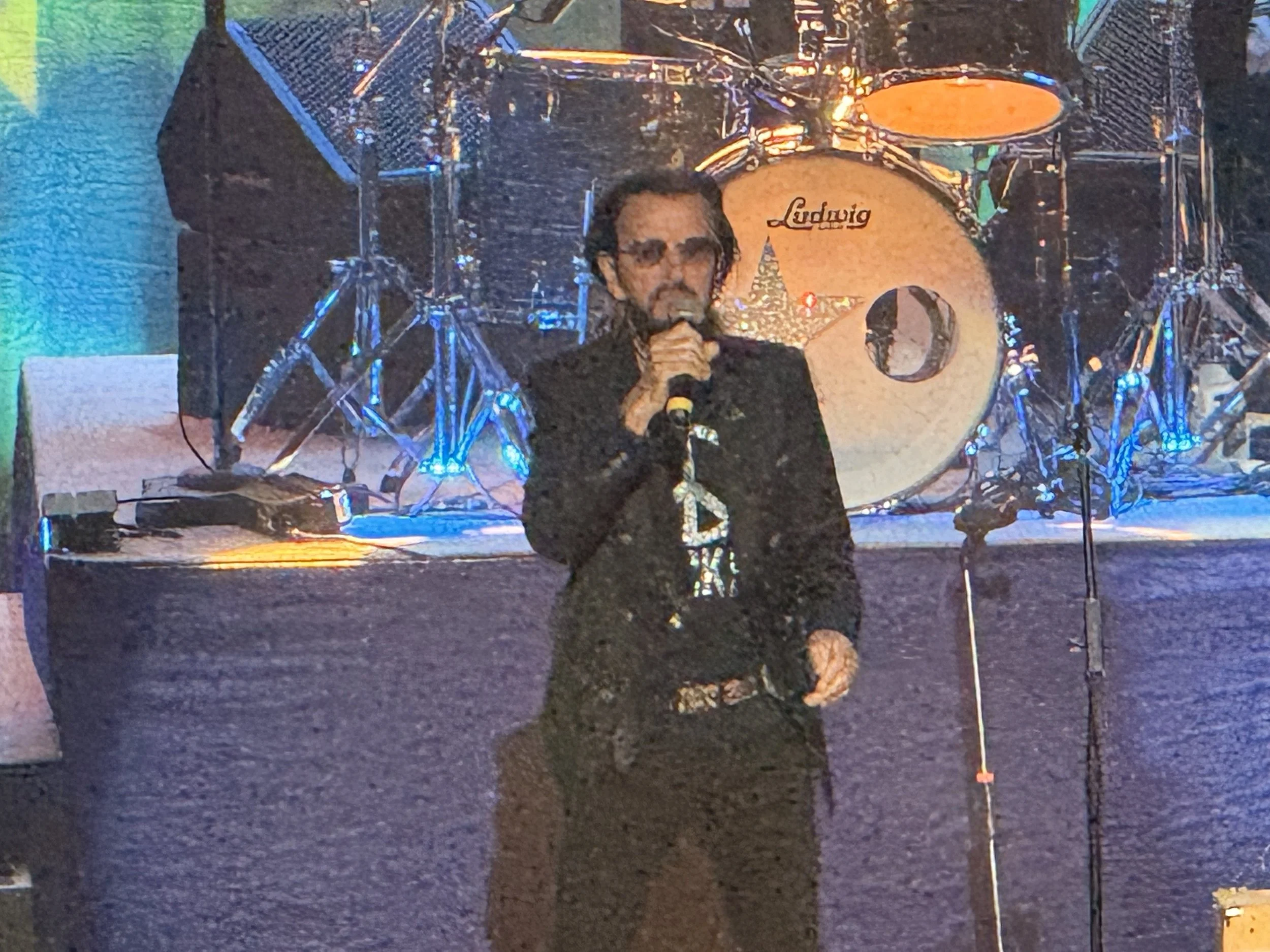
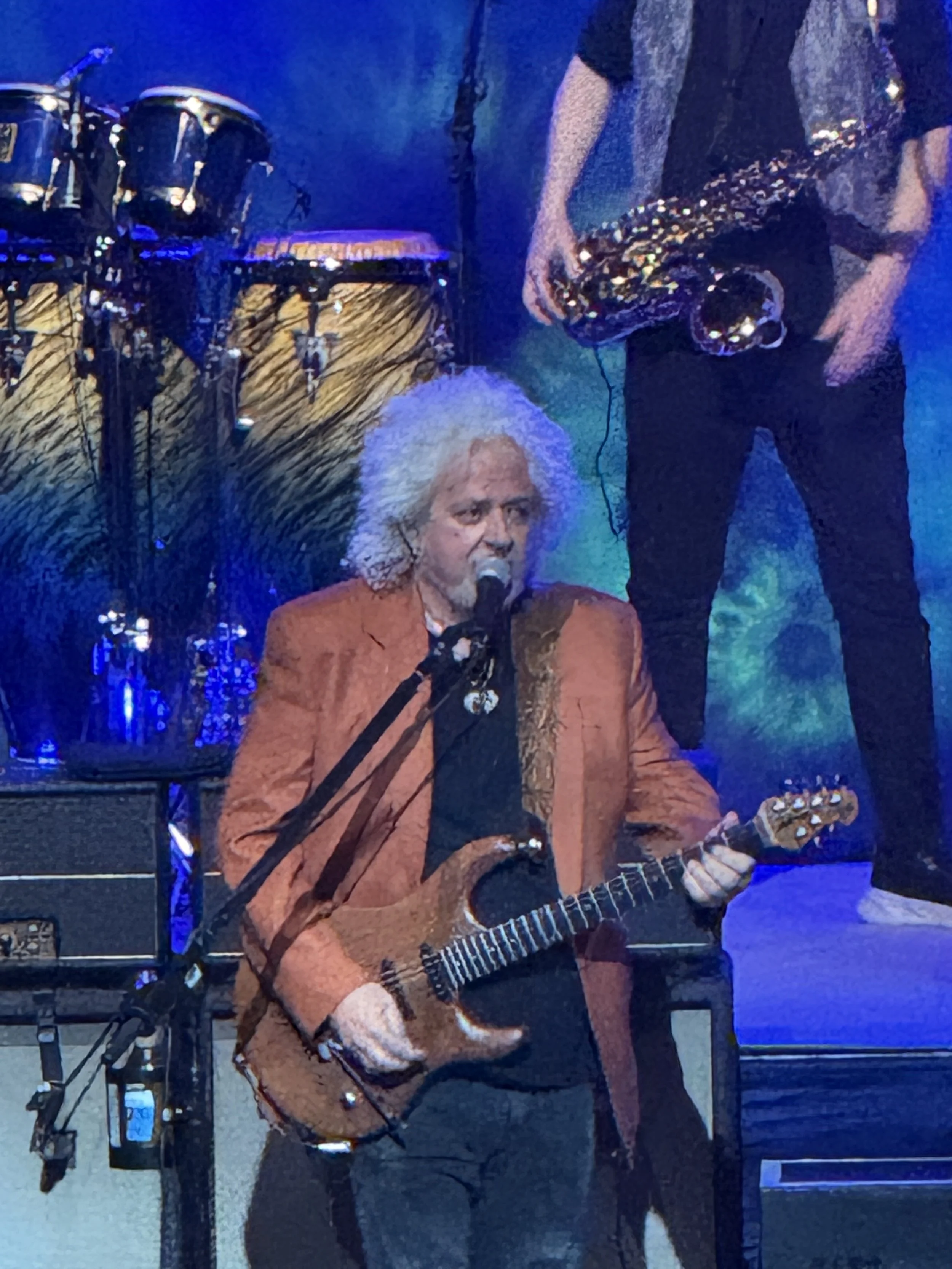
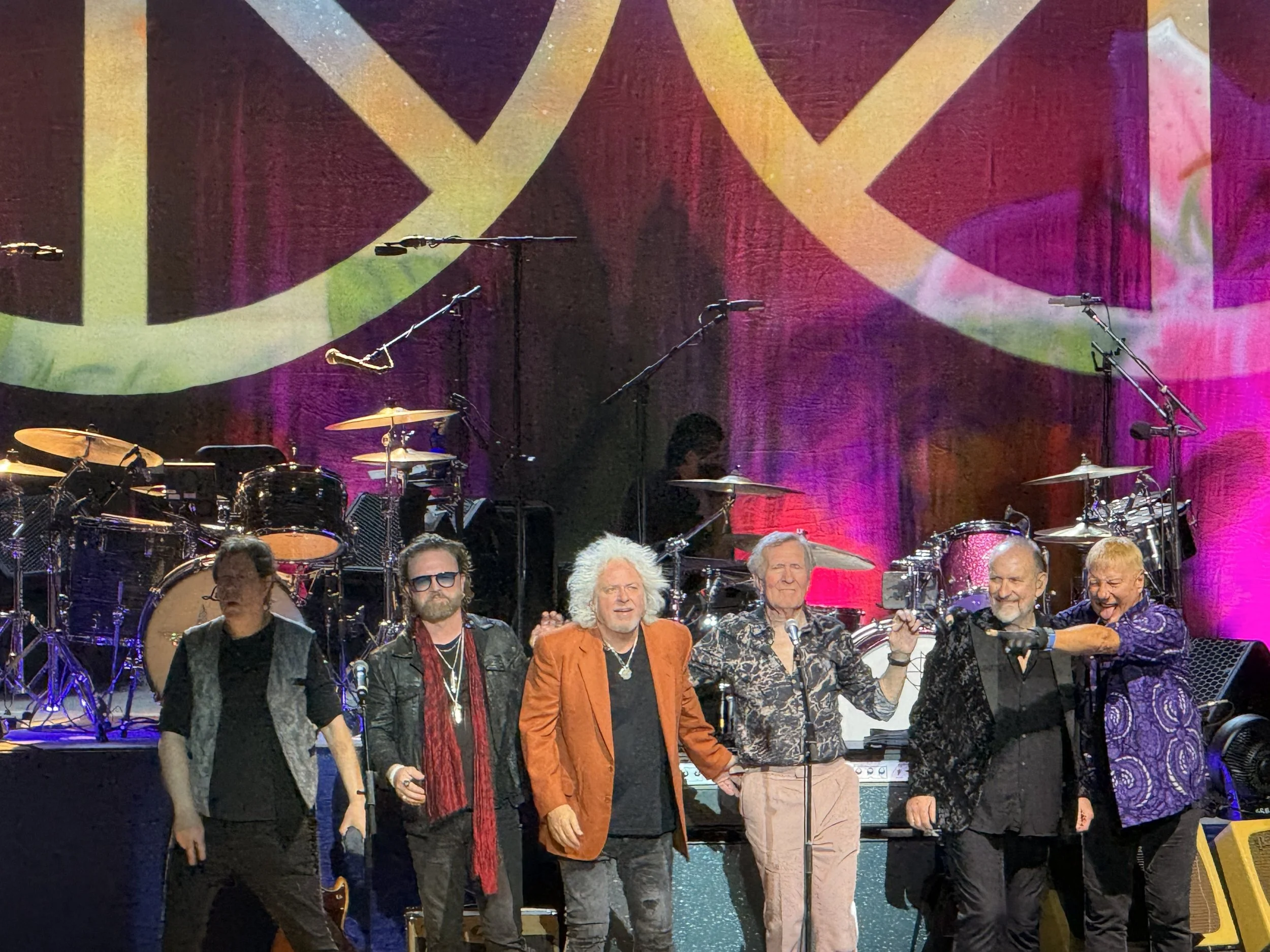
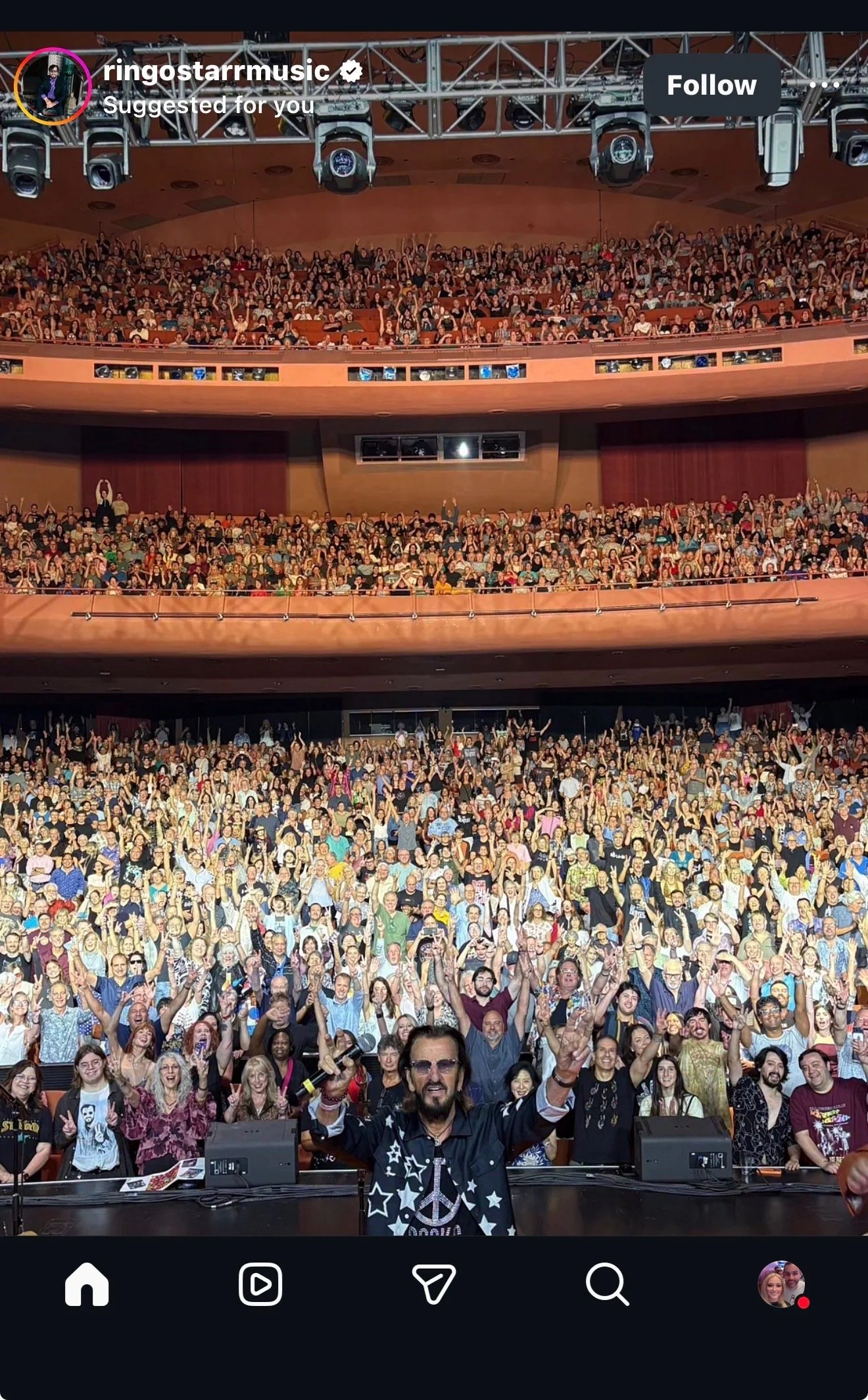
The auditorium, which bears the name of former ASU President Grady Gammage, is considered to be one of the last public commissions of American architect Frank Lloyd Wright. It was built from 1962 to 1964.
ASU Gammage stands as one of the largest exhibitors of performing arts among university venues in the world, featuring a wide range of genres and events.
ASU Gammage was listed on the National Register of Historic Places in 1985.
Mortgage matchup Center (downtown)


Musical Instrument Museum (N. Phoenix)
The Musical Instrument Museum is located in Phoenix, Arizona. Opened in April 2010, it is the largest museum of its type in the world. The collection of over 15,000 musical instruments and associated objects includes examples from nearly 200 countries and territories, representing every inhabited continent.
Orpheum theatre (downtown)
Originally opened in 1929, the Orpheum Theatre was initially a vaudville theatre until the 1940s when it was purchased by the Paramount Pictures chain and renamed, "The Paramount". In the 1960s, Nederlander purchased it to add it as a stop on the Broadway circuit. He renamed it “Palace West”.
Throughout the mid 1970s and early 1980s, the Theatre was leased to the Corona family, who presented a wide variety of Hispanic events and movies. At one point, all the murals and moldings were painted black when the Orpheum was used to show Spanish films. In addition to wanting to hide the areas that were already in poor condition, it was thought that such decorations would detract from the films.
After falling into disrepair for some years, the city of Phoenix purchased the Orpheum Theatre in 1984 and began a 12-year, $14 million restoration. The Conrad Schmitt Studios created the transformation and the Orpheum reopened on January 28, 1997, with a performance of Hello, Dolly! starring Carol Channing.
Phoenix Art Museum (downtown)
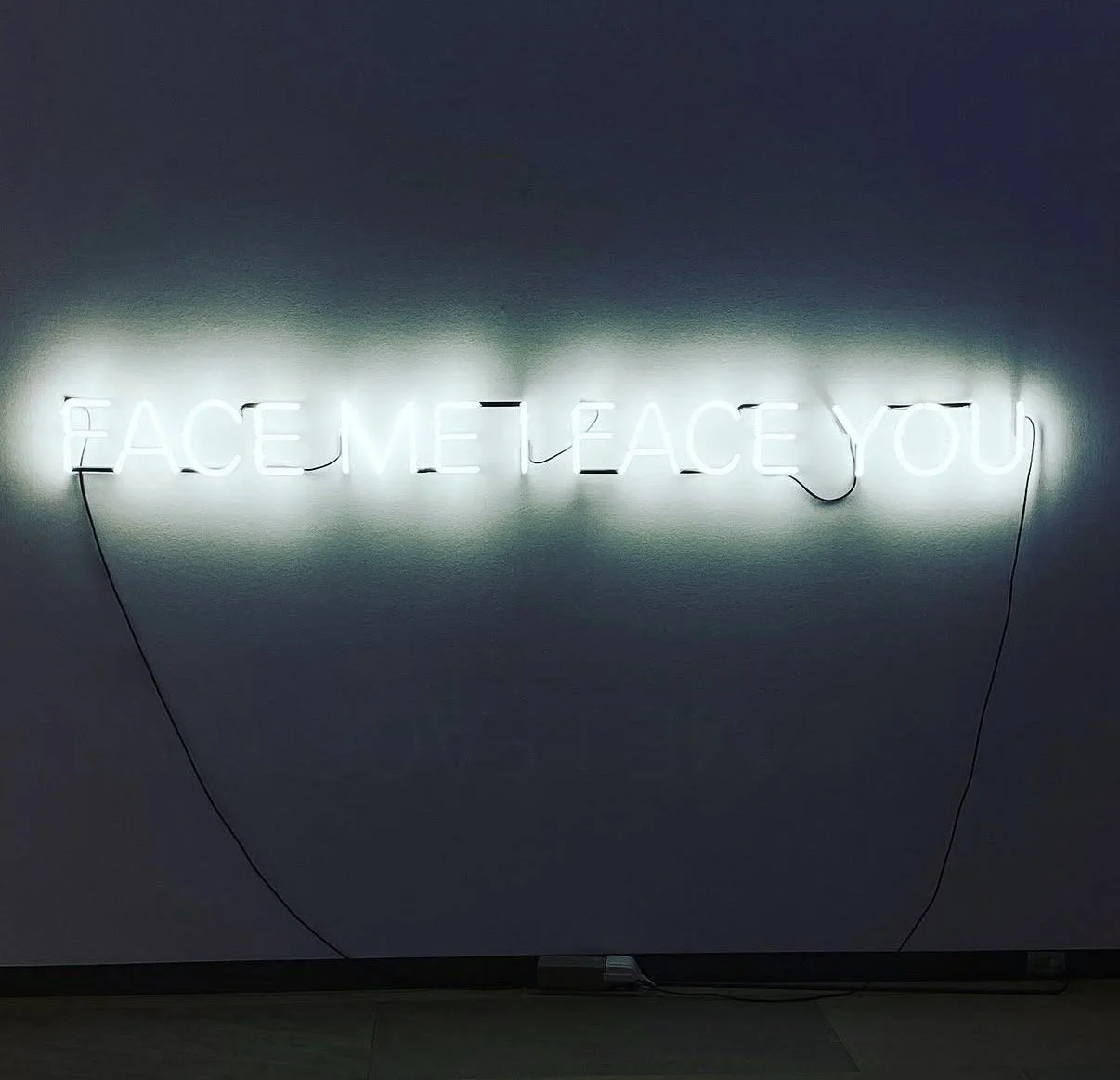
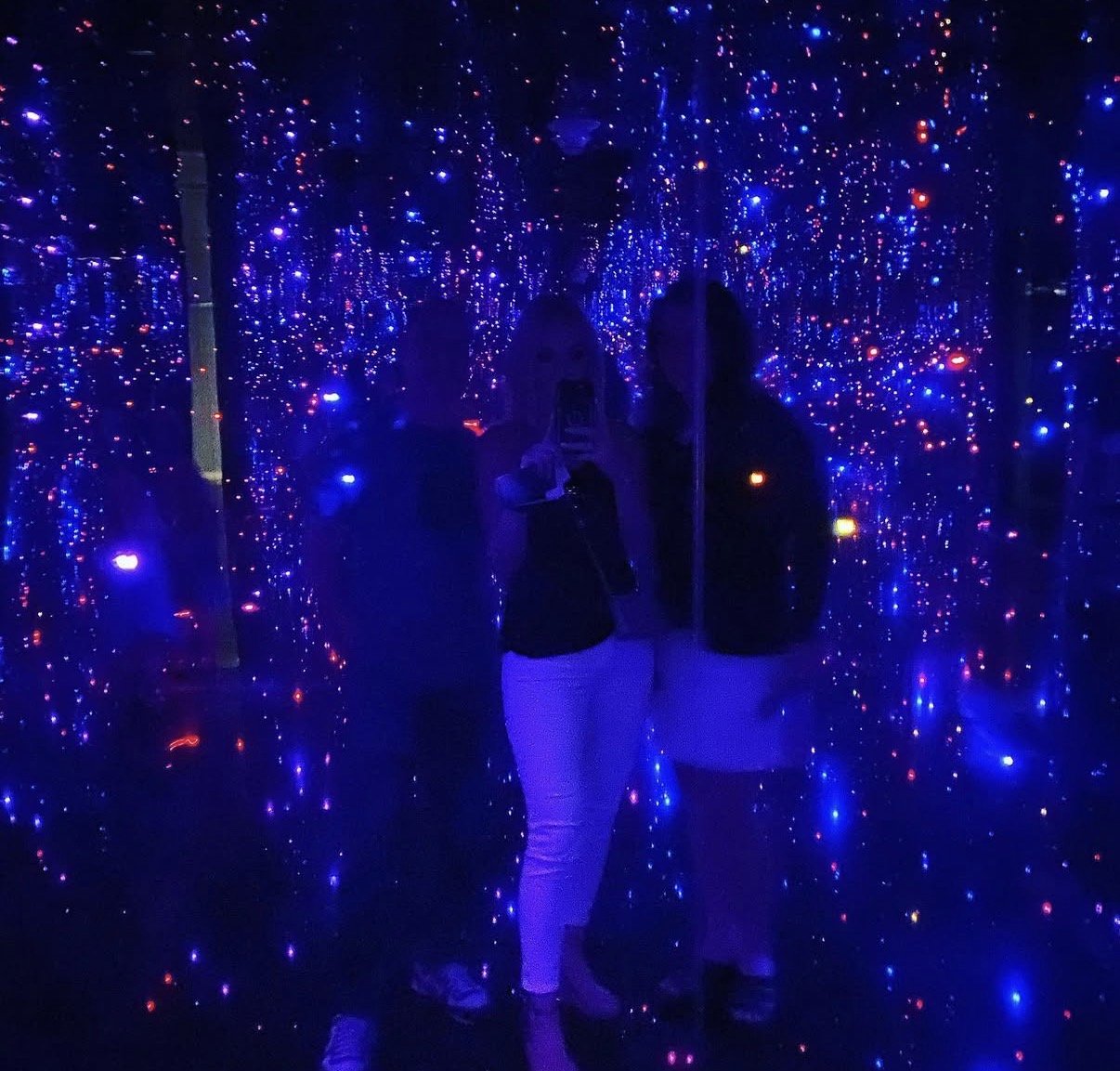
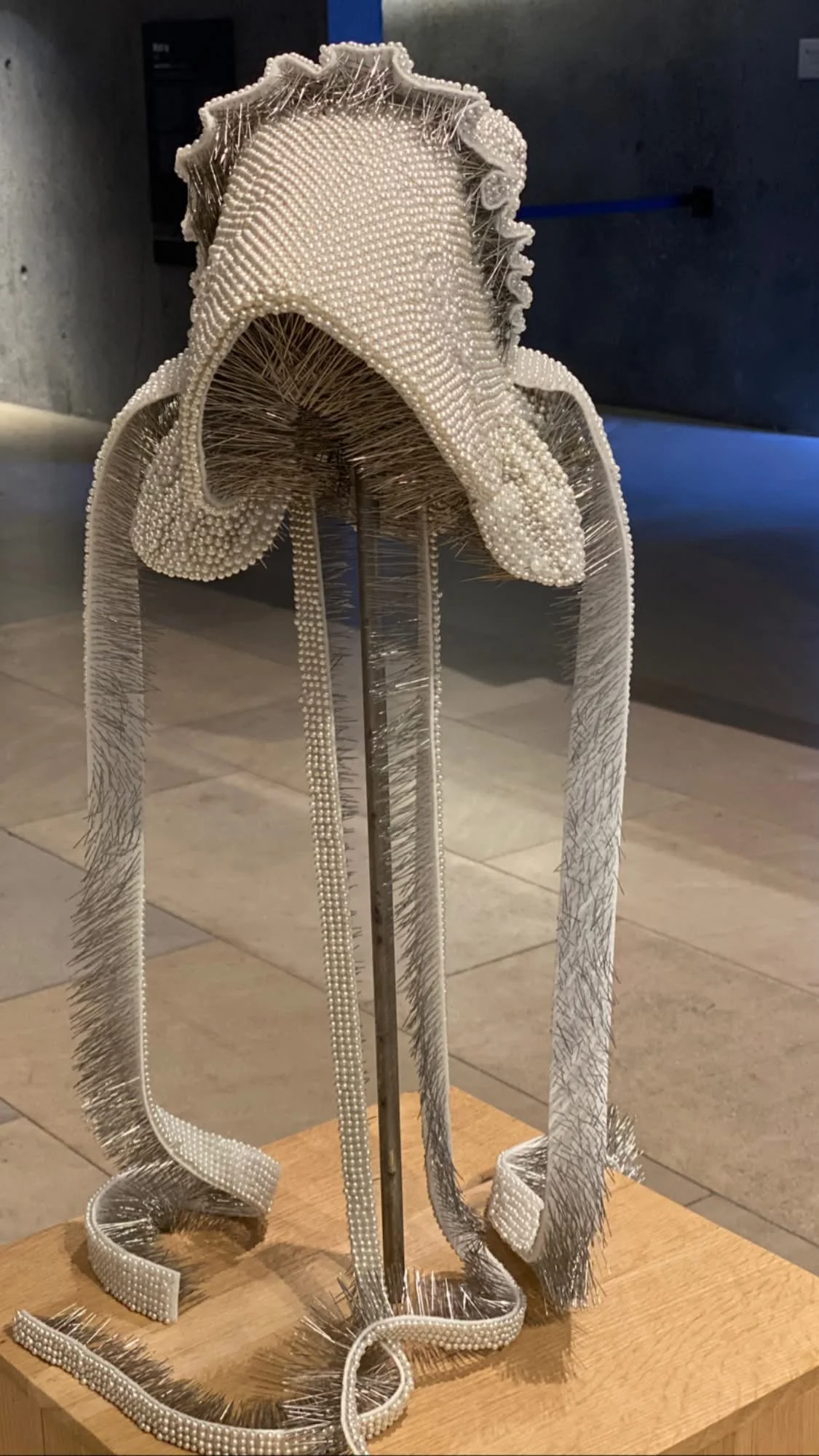
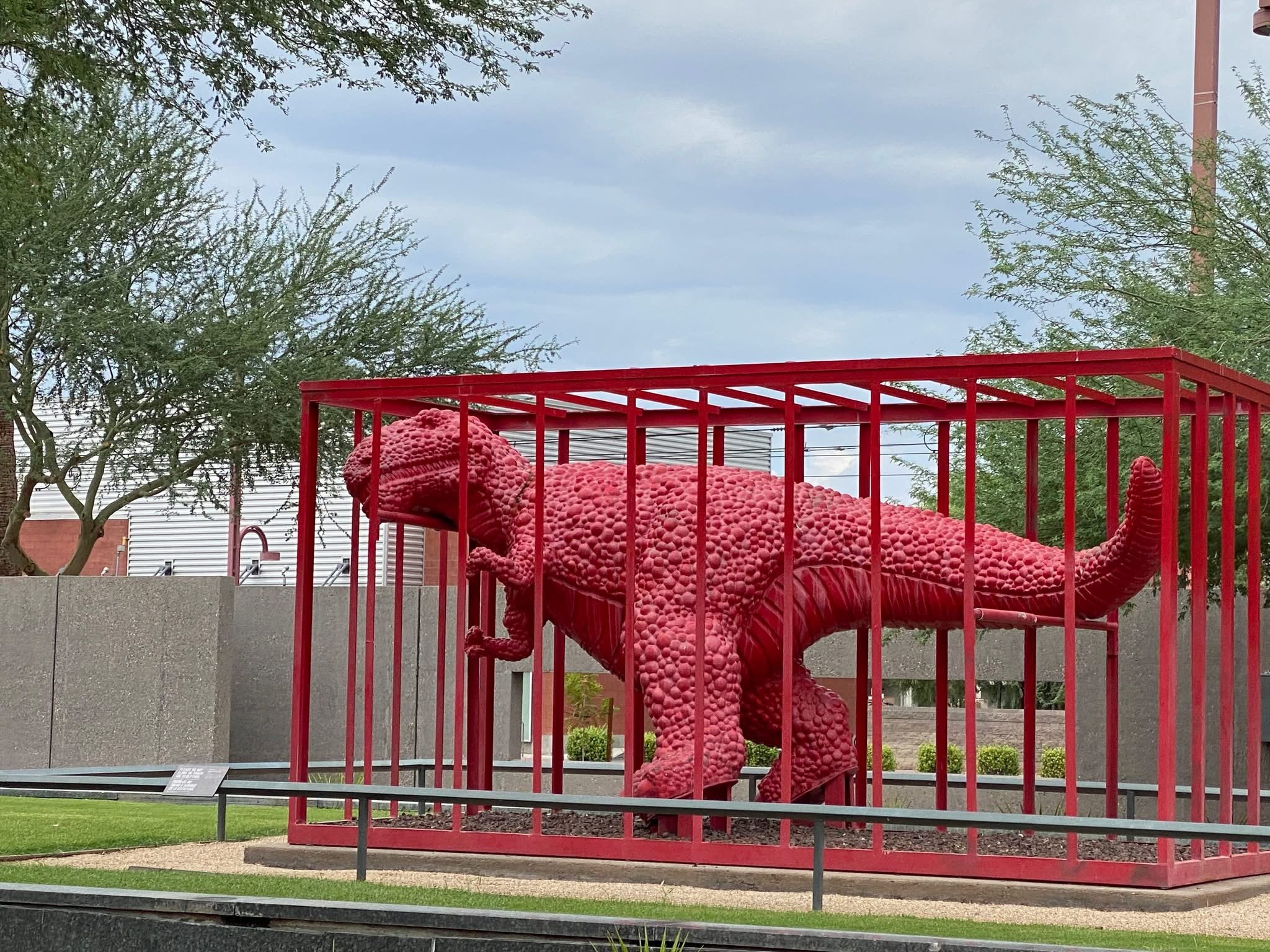
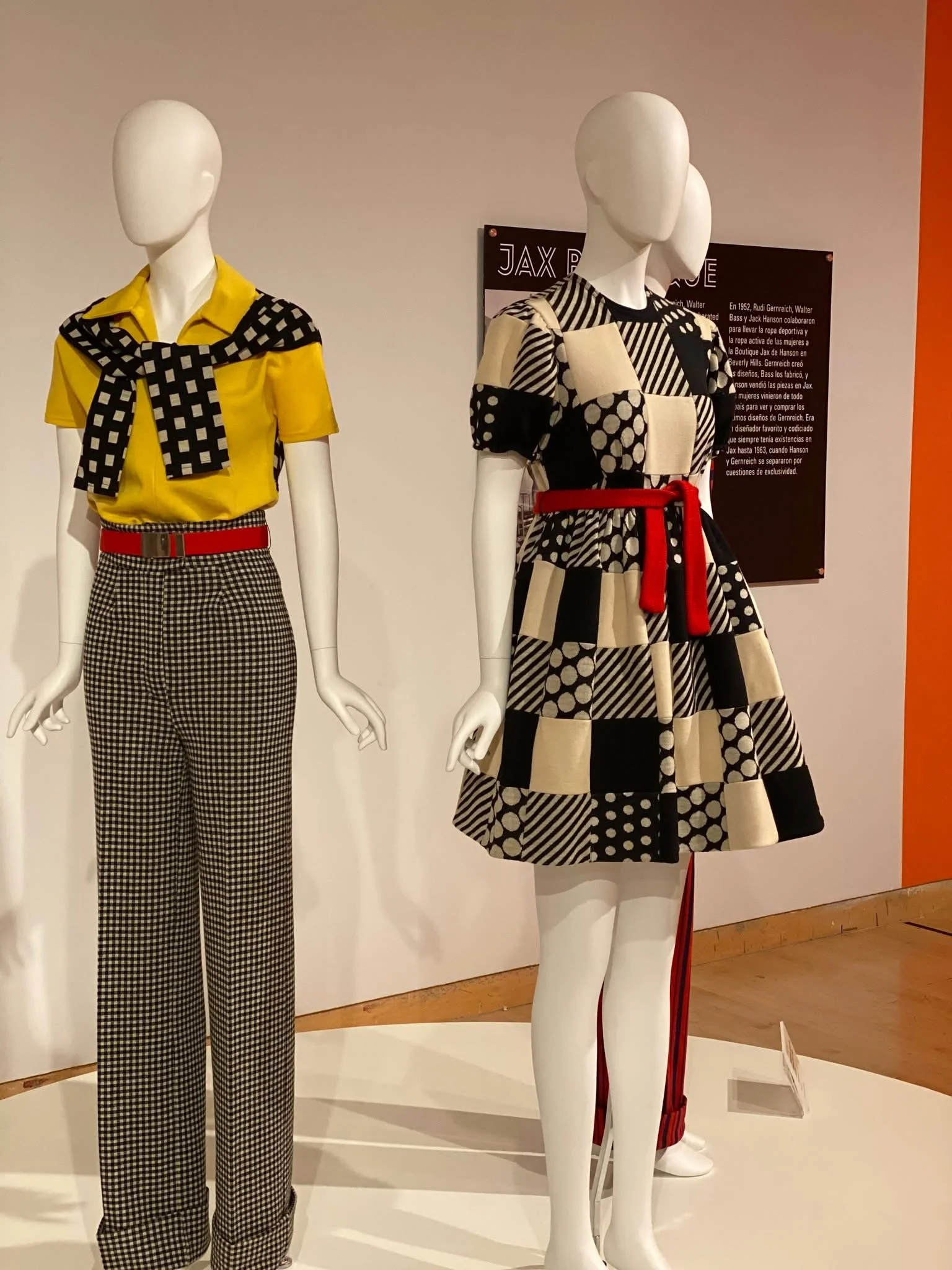
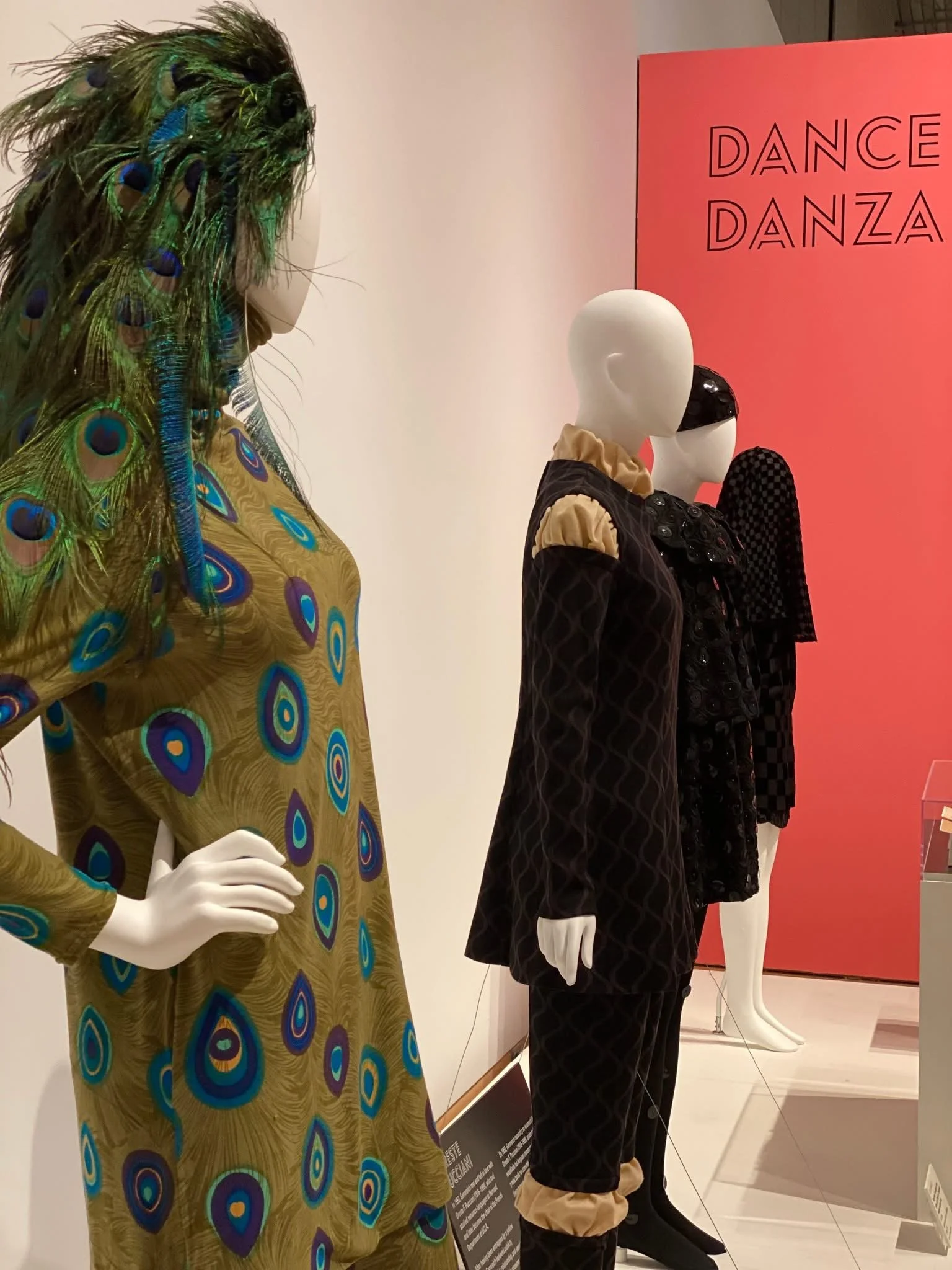
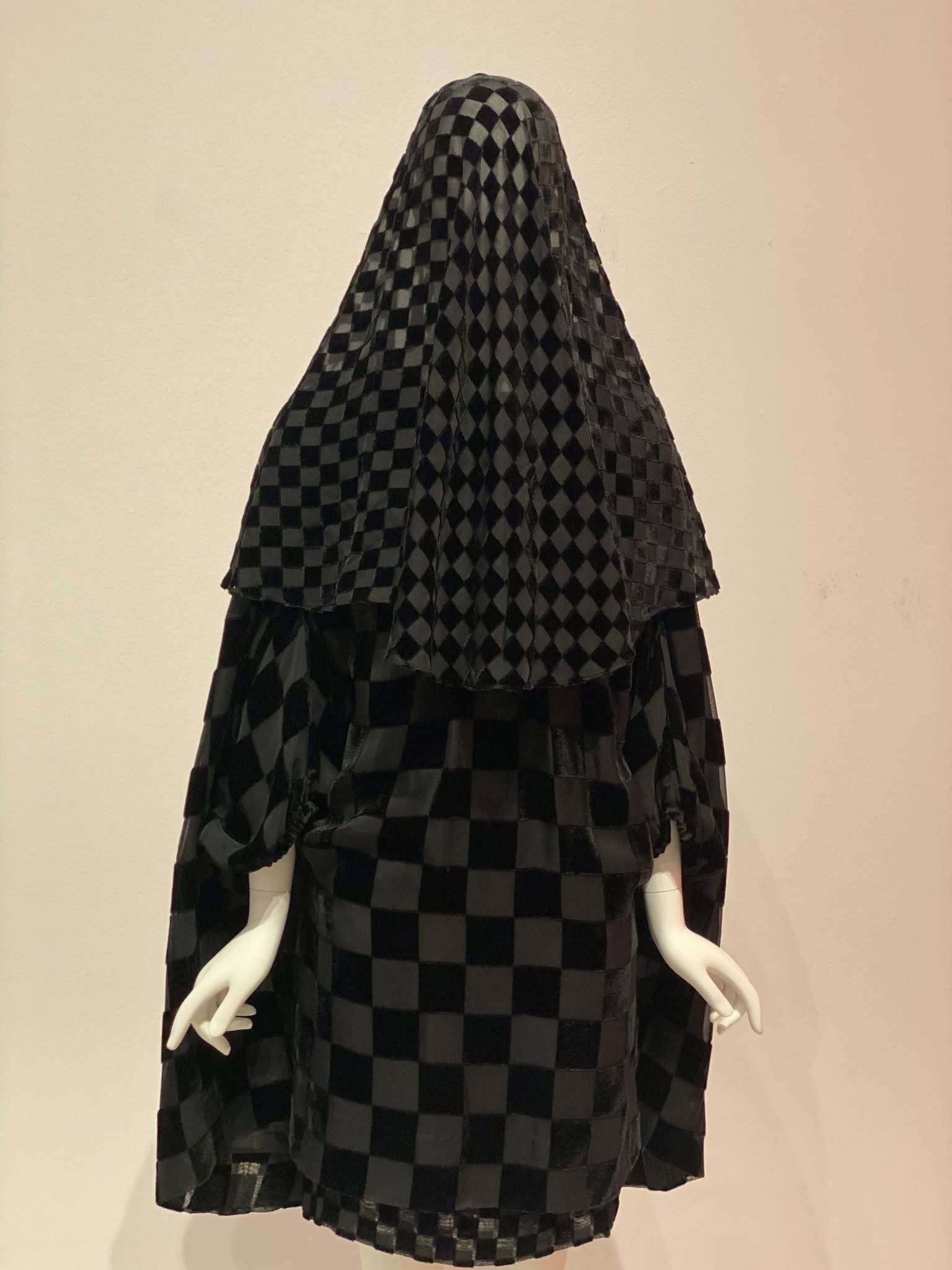
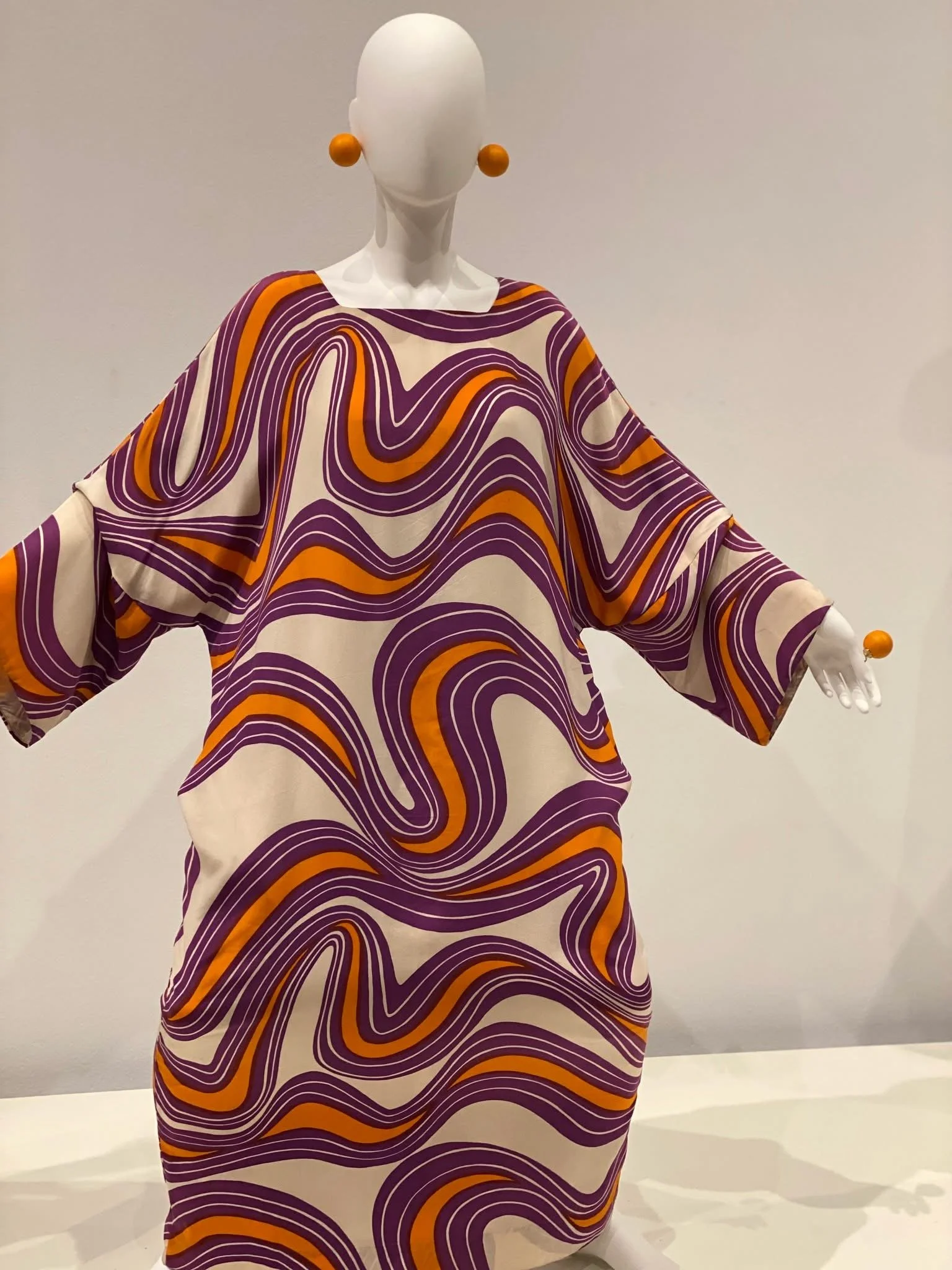
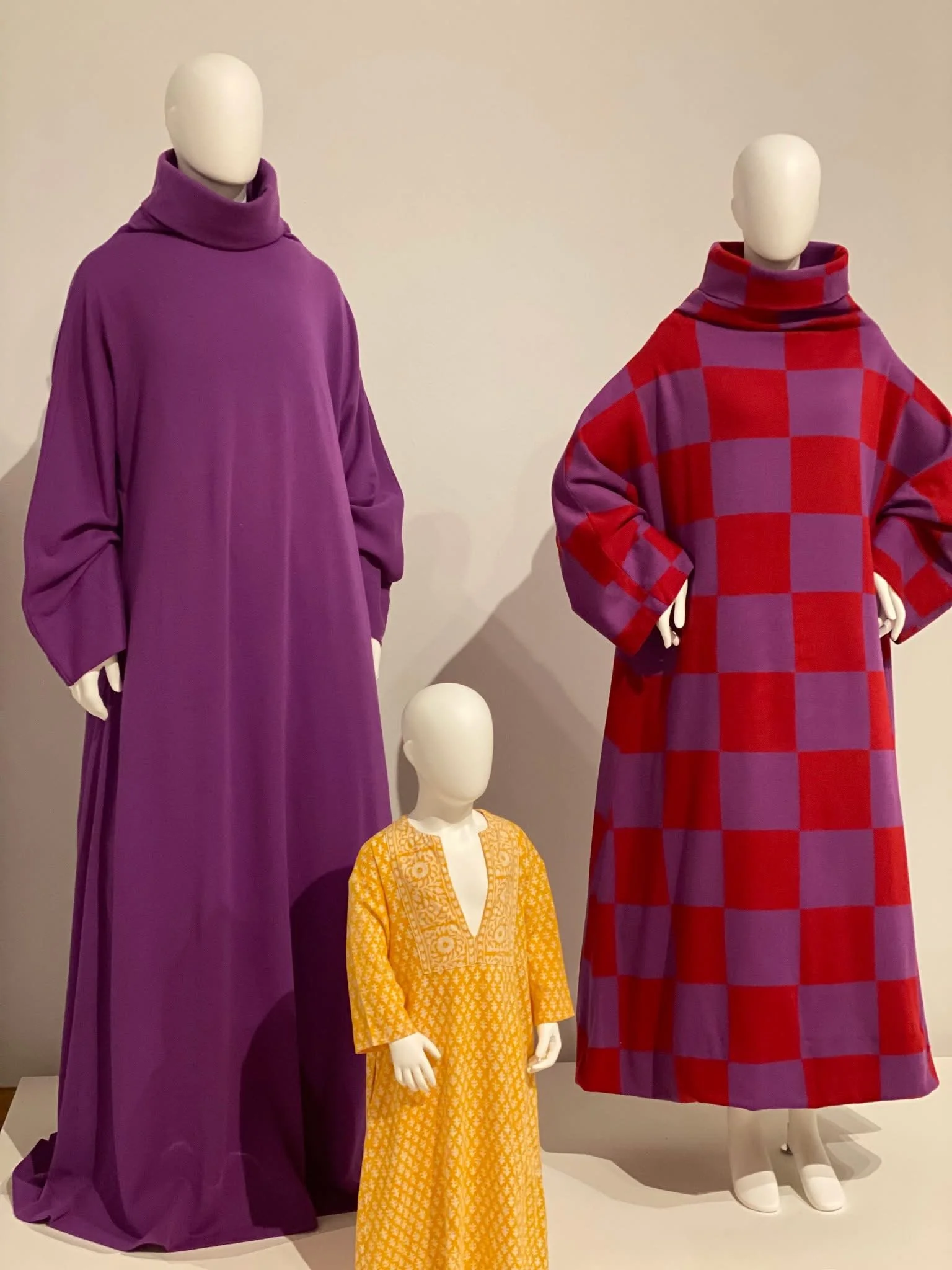
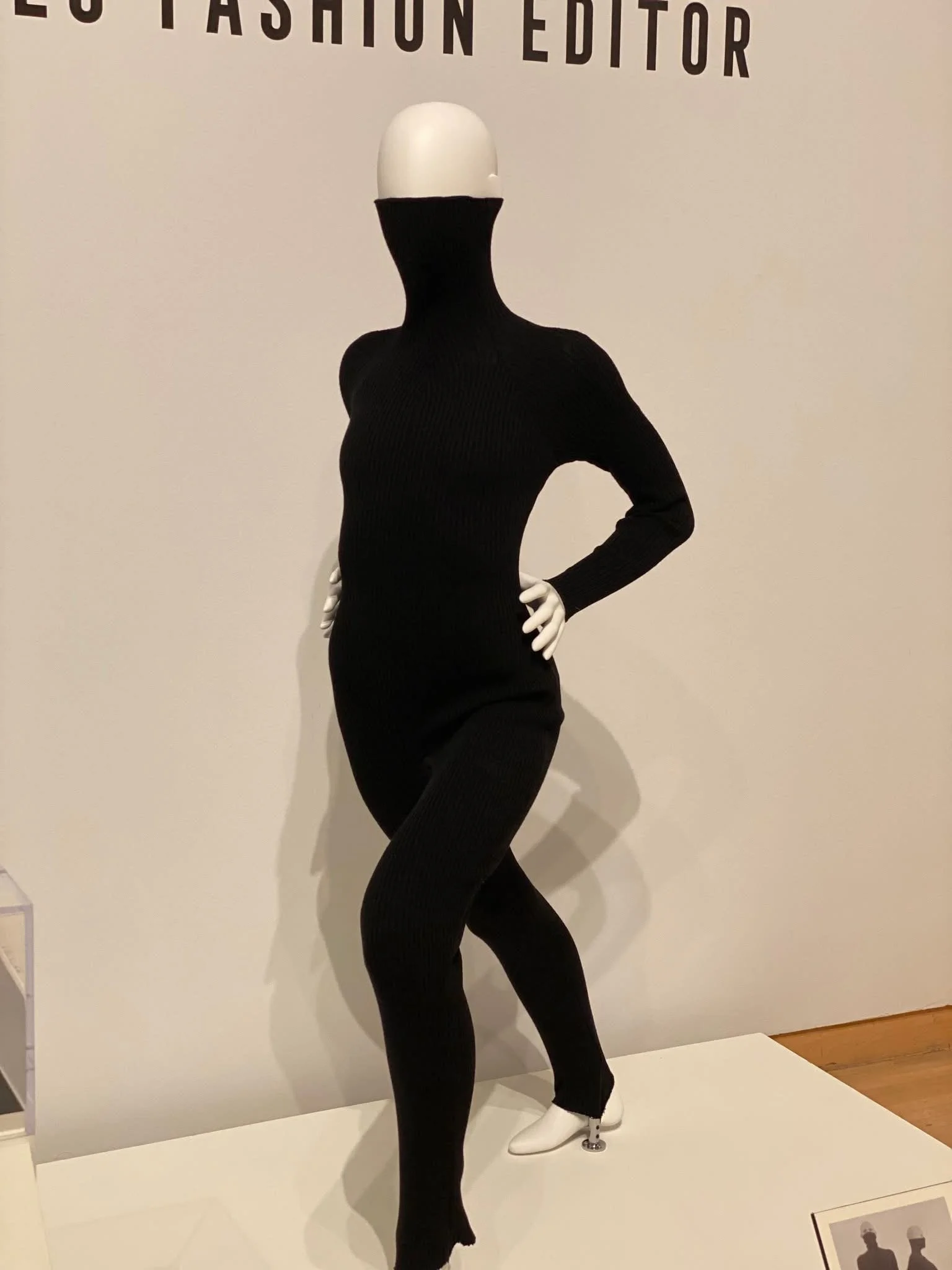
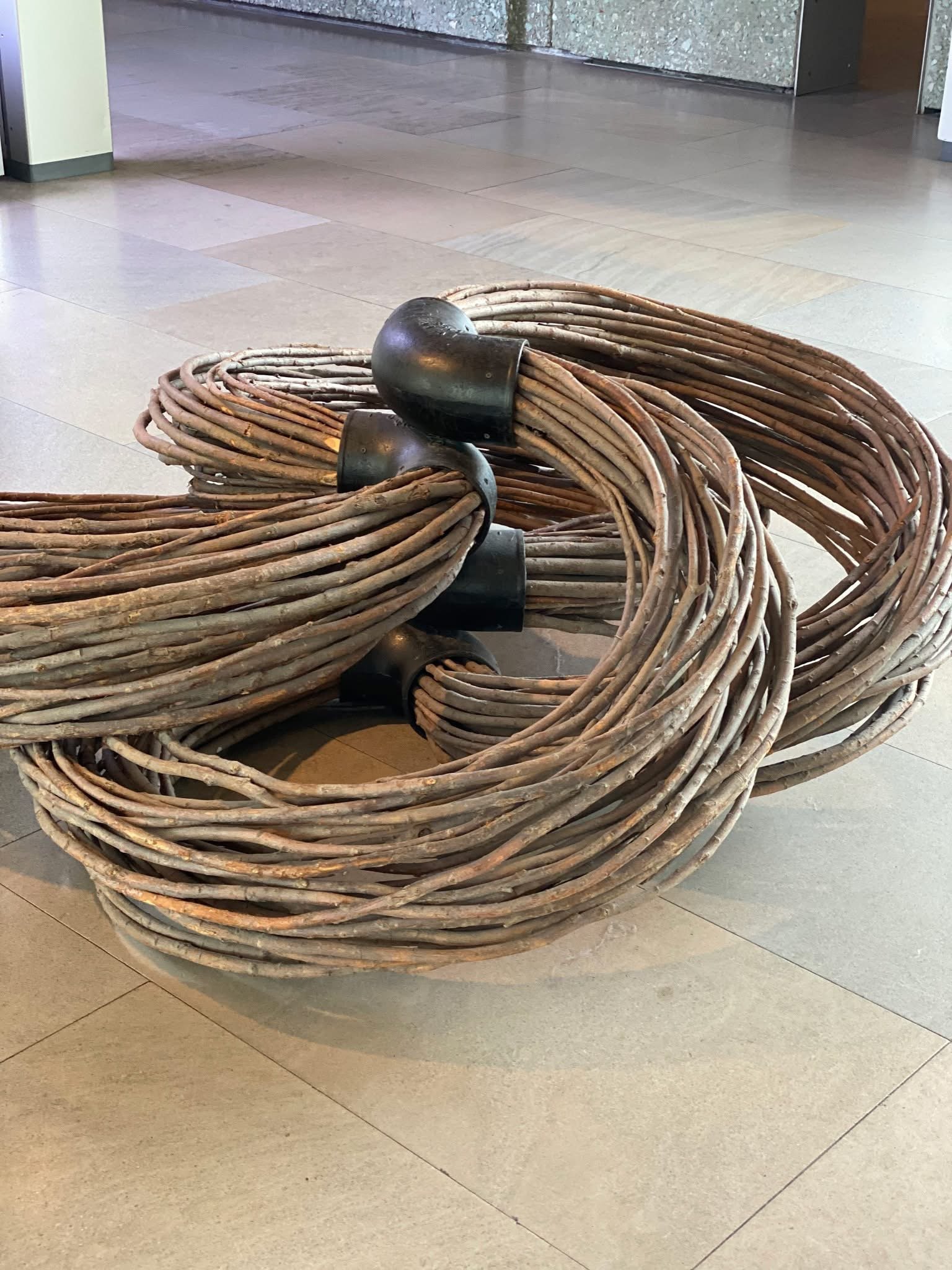
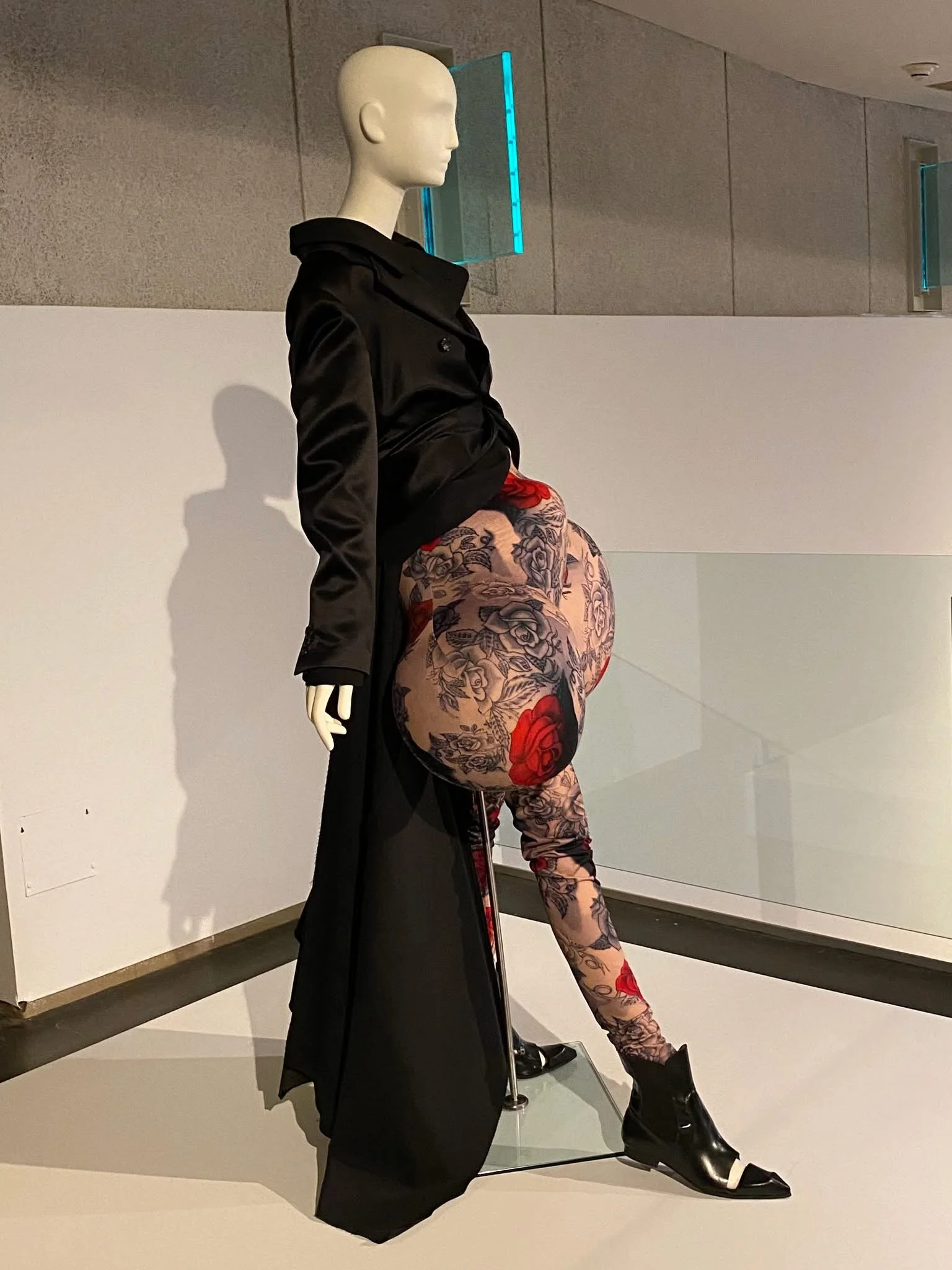
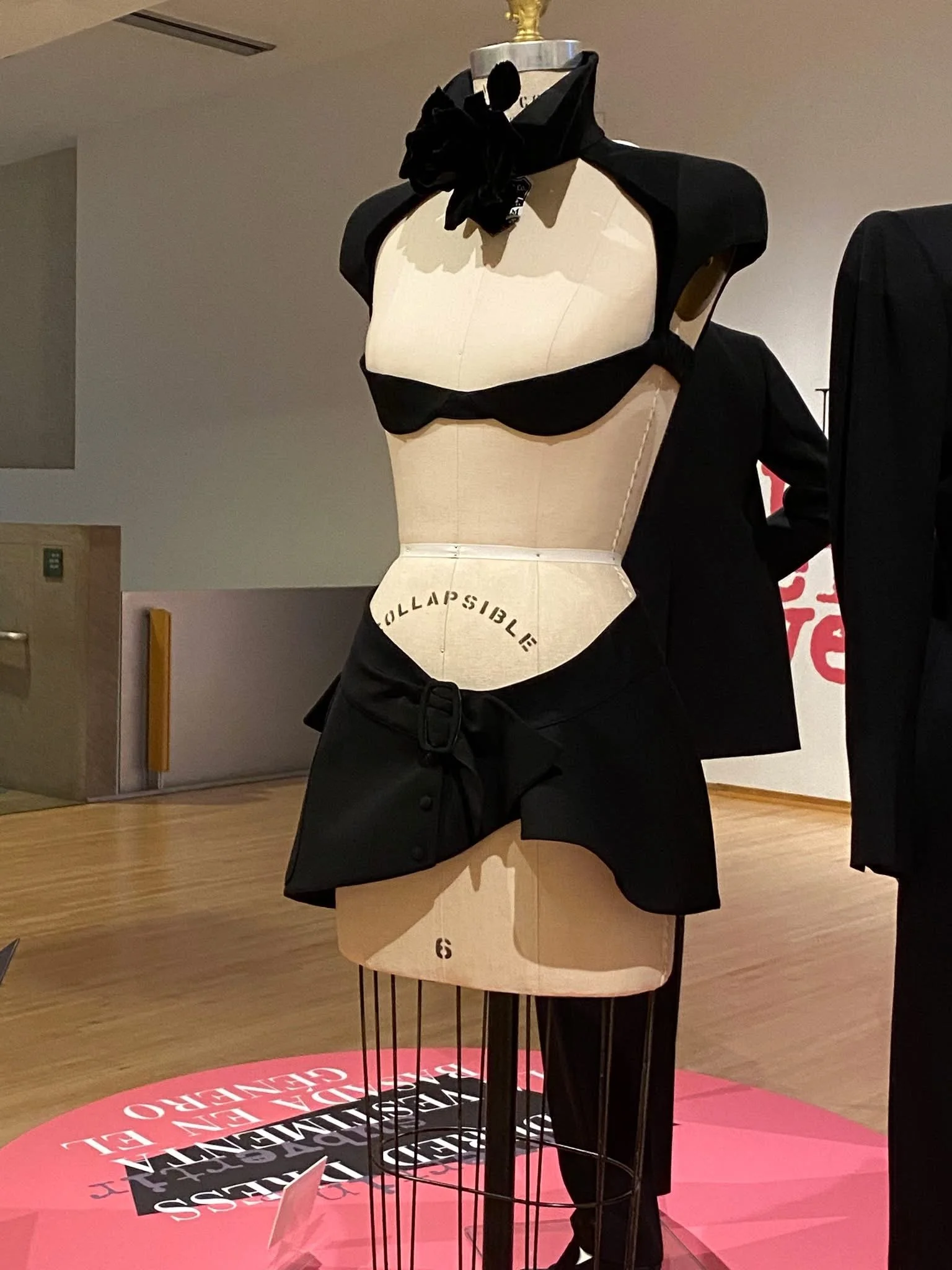
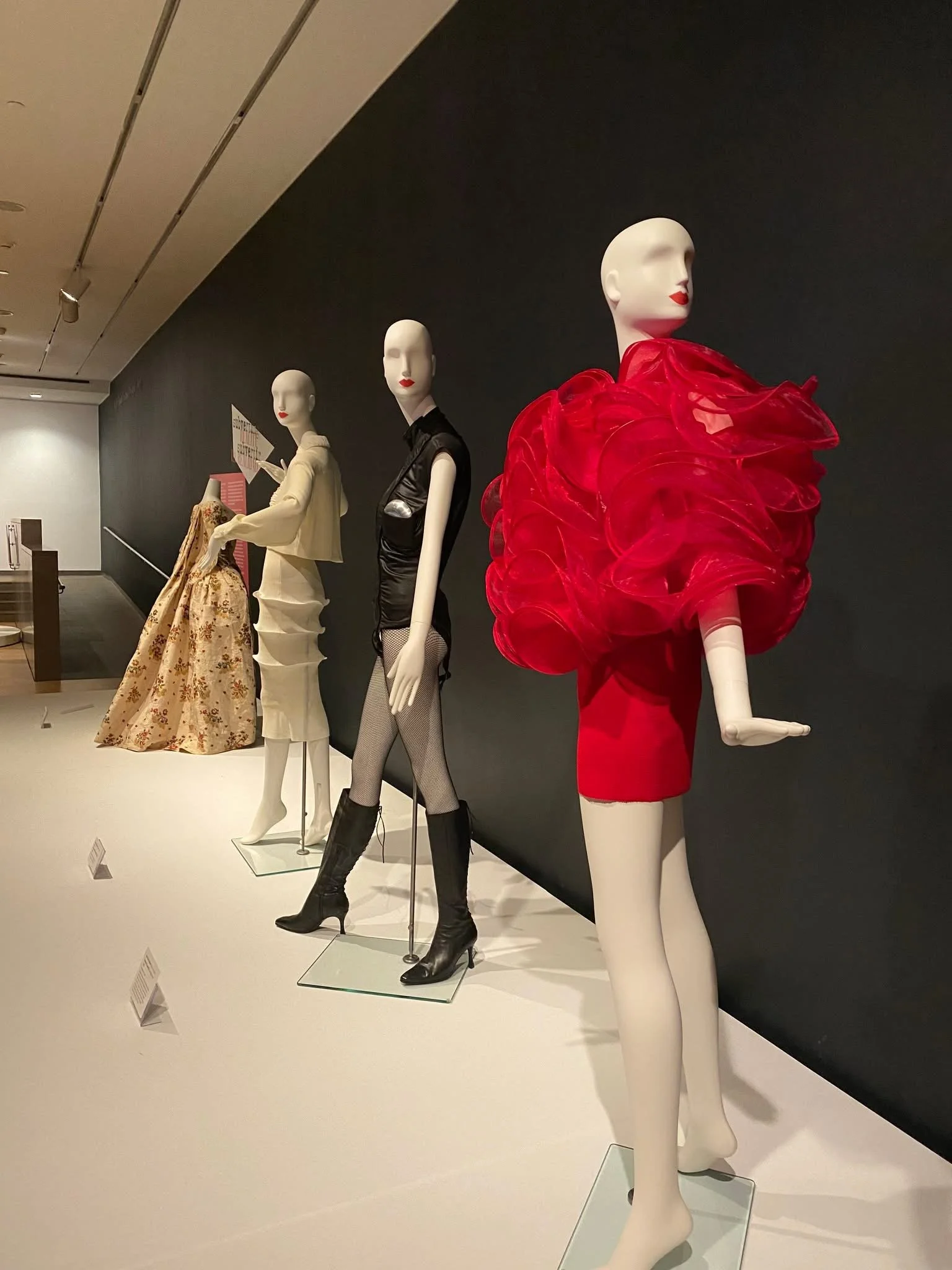
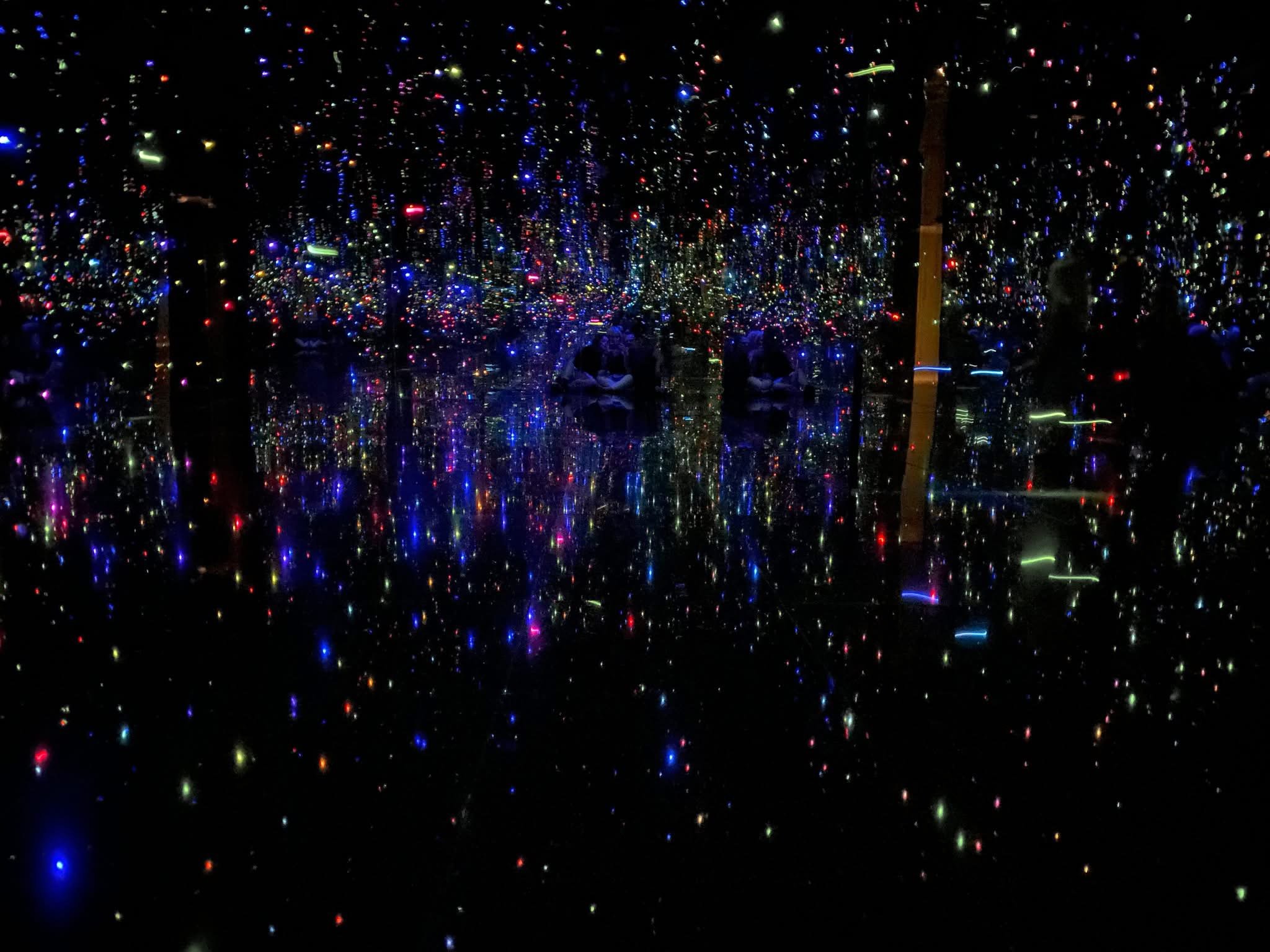
The Phoenix Art Museum is the largest museum for visual art in the southwest United States. The museum is 285,000 square feet and displays international exhibitions alongside its comprehensive collection of more than 18,000 works of American, Asian, European, Latin American, Western American, modern and contemporary art, and fashion design. A community center since 1959, it hosts festivals, live performances, independent art films and educational programs year-round.
TIP: Definitely get the Yayoi Kusama Firefly Infinity Mirror Room Ticket Add-on
Tempe Center for the Arts (Tempe)
A hub of creativity with a calendar of concerts, plays, musicals, festivals and more. Inspiring performances within the center are matched by the building's gorgeous exterior architecture.
The Heard Museum (downtown)
The Heard Museum is a private, not-for-profit museum in Phoenix, Arizona, United States, dedicated to the advancement of American Indian art. It presents the stories of American Indian people from a first-person perspective, as well as exhibitions of traditional and contemporary art by American Indian artists and artists influenced by American Indian art.
The Van Buren
The Van Buren is a state-of-the-art concert venue in downtown Phoenix presenting acts of all genres including indie rock, hip-hop, country, metal, reggae, EDM and more.
Unique Experiences
K1 Speed
K1 Speed features fast indoor electric go karts, a professionally-designed track, state-of-the-art safety barriers, an arcade, and an onsite cafe that offers food and drinks.
Take in a ball game at Chase field (downtown)
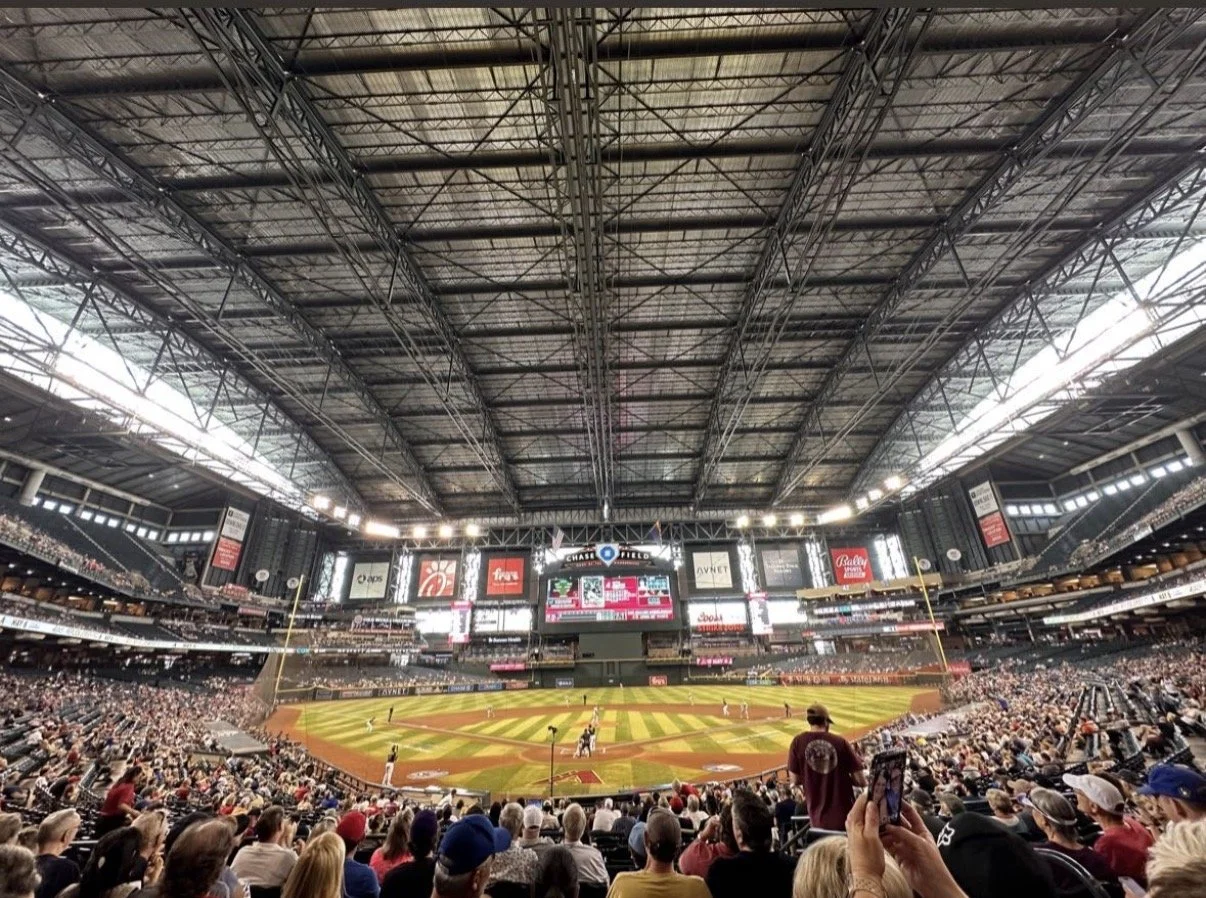
Chase Field, formerly Bank One Ballpark, is a retractable roof stadium in downtown Phoenix, Arizona, United States. It is the ballpark of Major League Baseball's Arizona Diamondbacks. It opened in 1998, the year the Diamondbacks debuted as an expansion team.
FUN FACT: It has an indoor pool, right in the outfield!
Walking Tours
Desert botanical garden
The Desert Botanical Garden offers the world's finest collection of arid plants from deserts of the world in a unique outdoor setting. The Garden has more than 50,000 desert plants on display throughout five thematic trails that illustrate topics such as conservation, desert living, plants and people of the Sonoran Desert, and desert wildflowers. Visit the Garden and enjoy specialized tours, special events, seasonal exhibits, concerts, family activities, Gertrude's restaurant, Patio Café and the Garden's gift and plant shop.
Encanto Park
Encanto Park is a 222 acres public park in central Phoenix, Arizona consisting of picnic areas, a lagoon for fishing, a boat house, swimming pool, nature trail, miniature amusement park, and two golf courses. The lagoon is approximately 7.5 acres in and approximately 6 feet deep.
Japanese Friendship Garden of Phoenix
A traditional Japanese stroll garden, it was designed and built by garden master designer "Mr. Nozomu Okita" with the cooperation of Phoenix Sister City Himeji garden association. The garden sits on 3.5 acres and includes a traditional Tea House. The Tea House is open once per month for tea ceremonies, by reservation only, by contacting the office. This tranquil and beautiful setting features more than 1,500 tons of hand-picked rock, stone footbridges, lanterns and more than 50 varieties of plants. As you stroll the path, you will enjoy flowing streams, a 14-foot waterfall, and a Koi pond with over 1,000 colorful Koi fish. The garden hosts a variety annual artistic and educational special events and programs.
Phoenix Zoo
The Phoenix Zoo opened in 1962 and is the largest privately owned non-profit zoo in the United States. Located in Phoenix, Arizona, the zoo was founded by Robert Maytag, a member of the Maytag family, and operates on 125 acres of land in the Papago Park area of Phoenix.
South Mountain
At more than 16,000 acres, South Mountain Park/Preserve is one of the largest municipally managed parks in the nation and consists of three mountain ranges - the Ma Ha Tauk, Gila and Guadalupe. The park boasts more than 100 miles of trails for hiking, horseback riding and mountain biking. Additionally, the roadways throughout the park are a favorite for bicyclists.
Dobbins Lookout, at 2,330 feet, is the highest point in the park that is available to the public. Accessed by both hiking trails and Summit Rd., the lookout is popular with tourists and locals, who want to get an unobstructed panoramic view of the Valley.
Scorpion Gulch
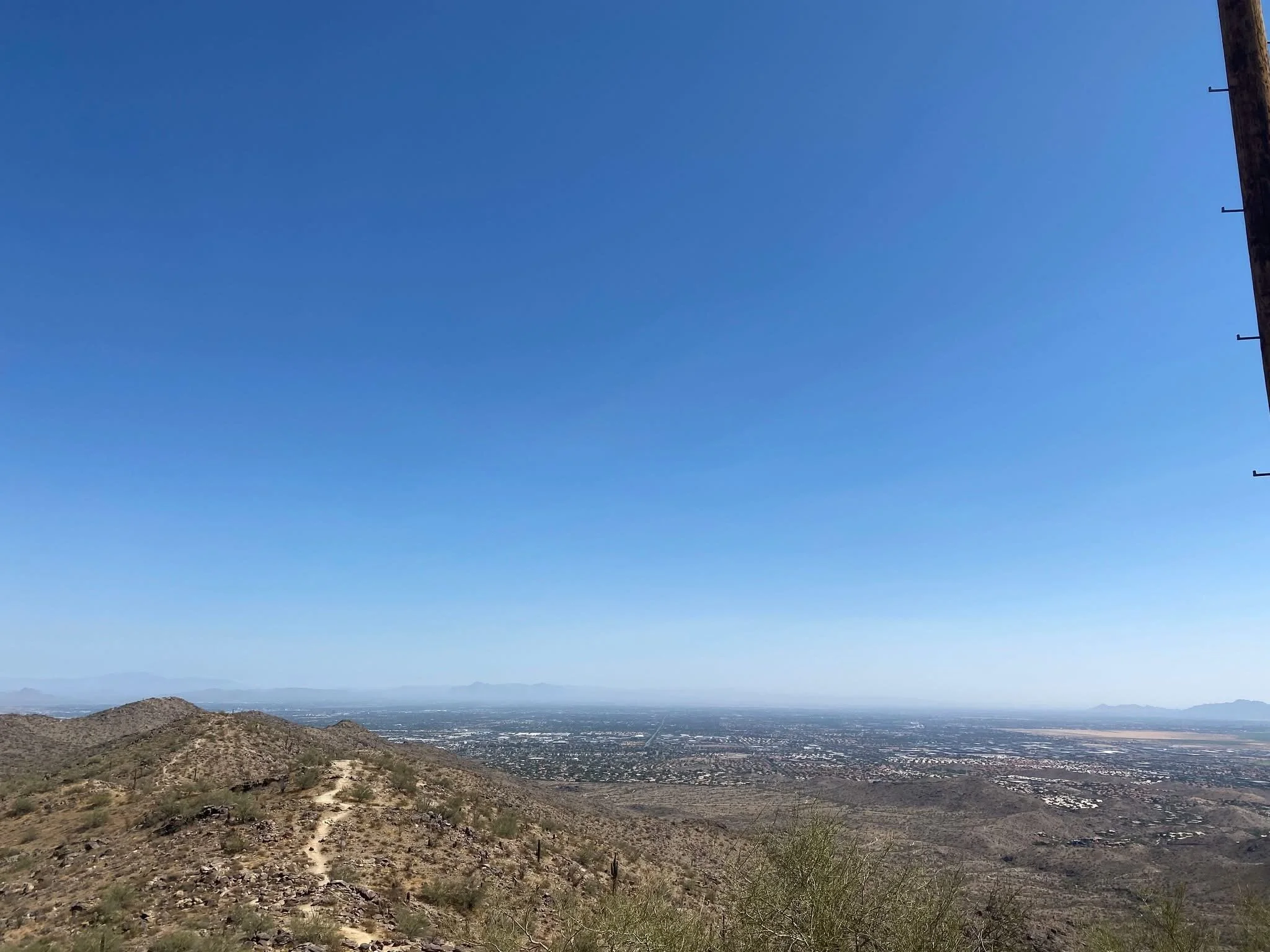
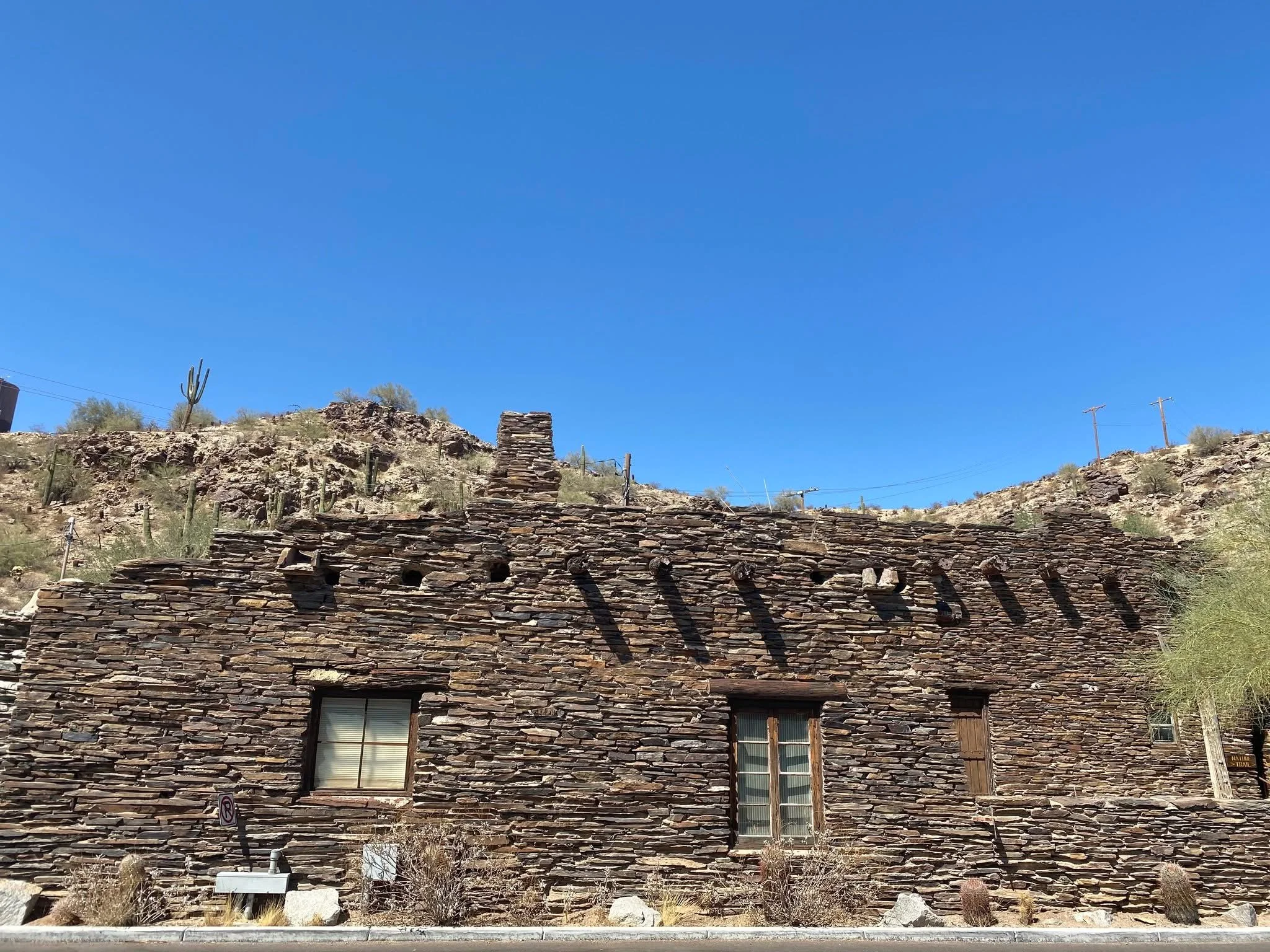
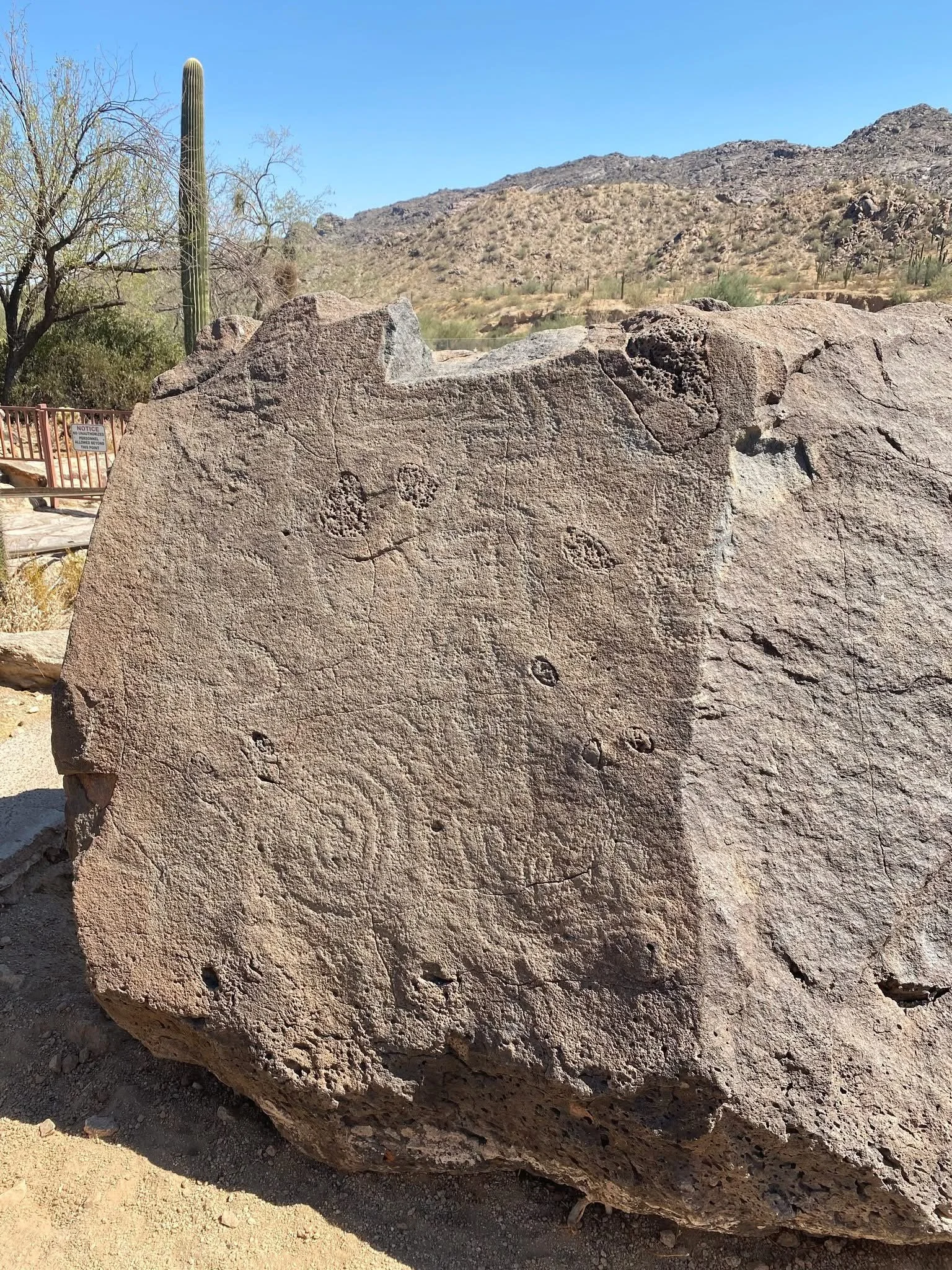
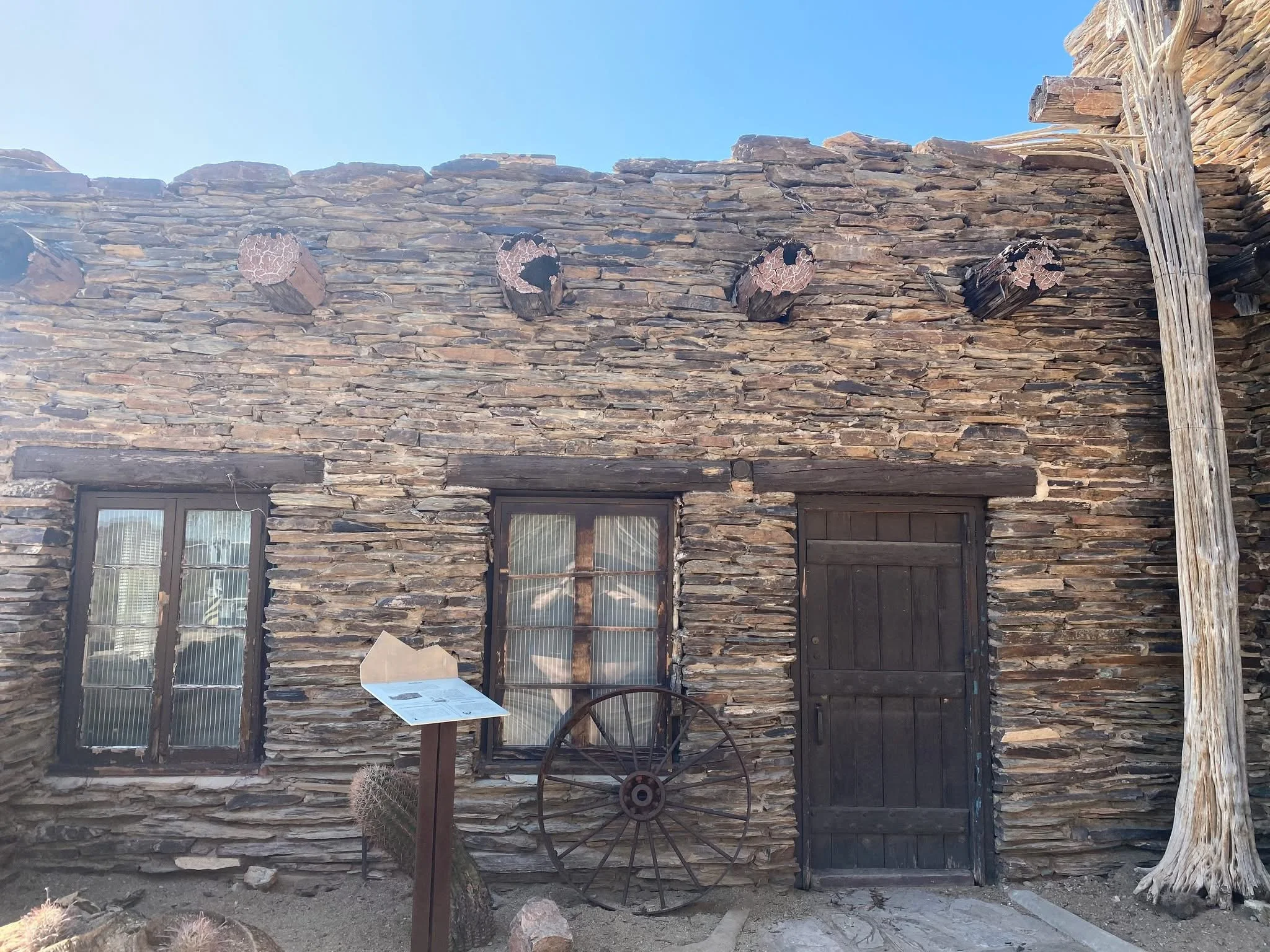
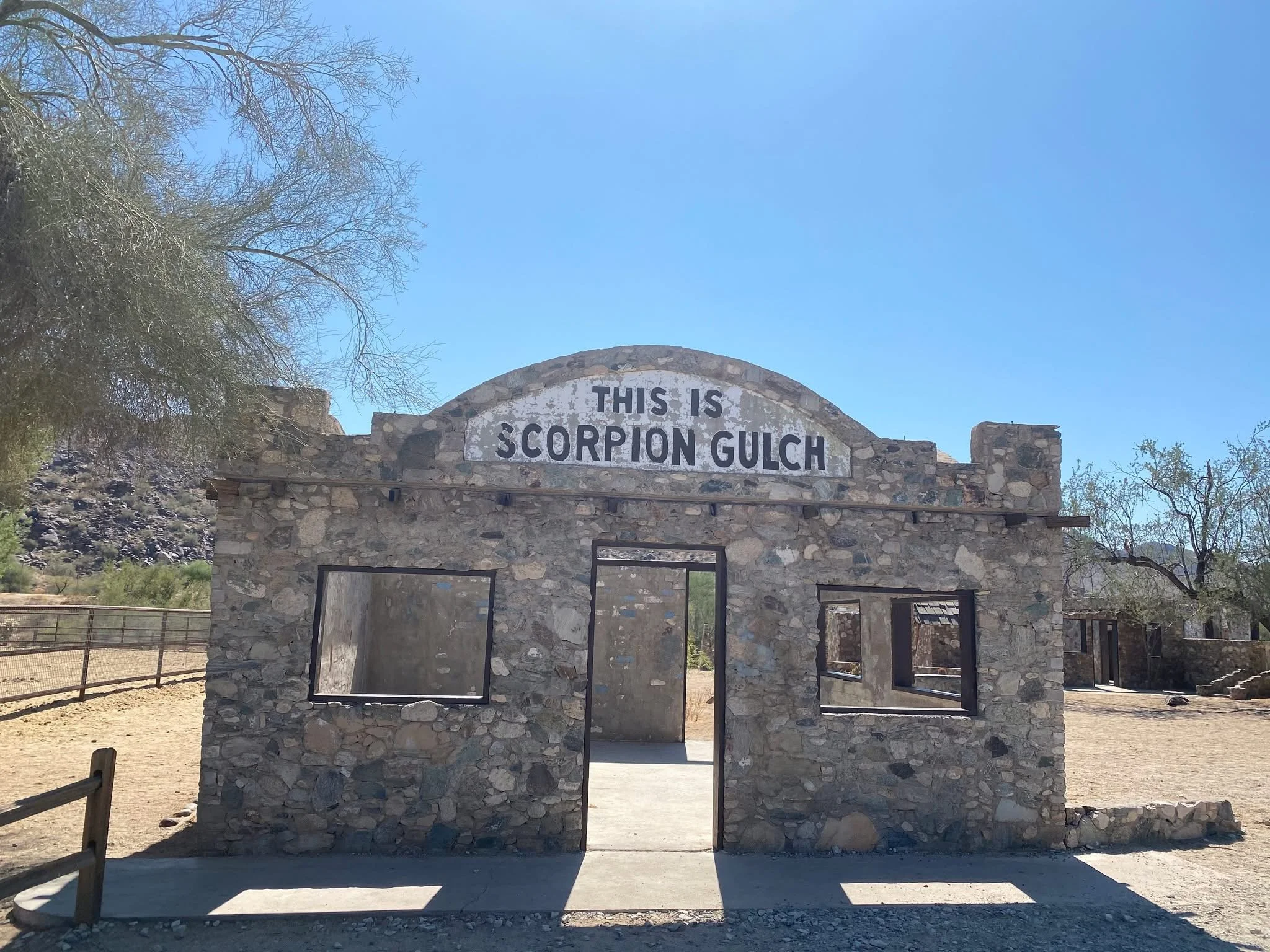
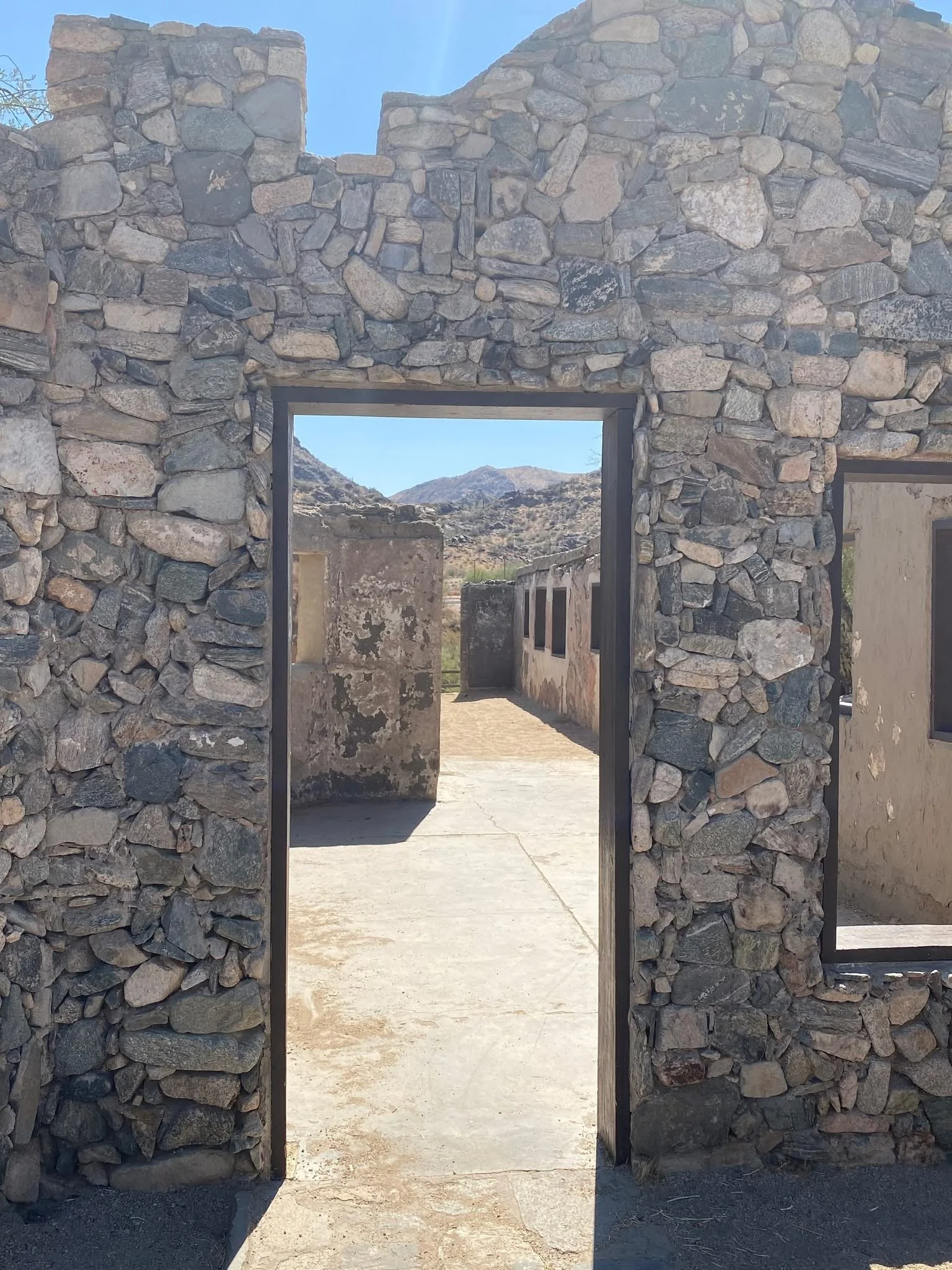
Located in South Mountain Park, Scorpion Gulch was built as a home and store by William Lunsford in 1936. Lunsford's store (South Mountain Trading Post) sold curios, Indigenous-made items, sodas, and candy. It was still in operation in 1966, when Lunsford was 75. In the 1970s, it became a bar. It was first listed on the historic preservation register in October 1990.
A History Summary
7,000 BC - 6,000 BC - Nomadic paleo-Indians lived in this area, particularly near the Salt River Valley. They moved on when mammoth, mastodon, giant bison, ancient horse, camel, and giant sloth hunting was no longer fruitful.
1,000 BC - Other nomadic tribes (archaic Indians) moved into the area, mostly from Mexico to the south and California to the west. During this time, farmers and the villagers also moved in, prompting by the introduction of maize into their culture.
1 AD - 700 AD - The Hohokam first settled the area. They begun to establish the canal system, which enabled agriculture to flourish in the area.
700 – 900 AD - The irrigation system was expanded and the community sizes grew, as did the size of the dwellings. Rock art and ballcourts began to appear, and cremations became the usual form of burial.
900 to 1150 - The expansion of the settlements and the canal system continued to be active. Platform mounds began to be built, and plazas and the ball courts, which began to appear in the last period, became more prevalent in the larger settlements.
1006 - It is believed the Hohokam witnessed the supernova that occurred in this year. It’s memorialized in a petroglyph that can be found in the White Tank Mountain Regional Park west of Phoenix. If confirmed, this is the only known Native American representation of the supernova.
1150 until 1450 - The number of villages declined during this period, but the size of the remaining settlements increased. The Hohokam also carried out extensive trade with the nearby Anasazi, Mogollon and Sinagua, as well as with the more distant Mesoamerican civilizations like the Aztecs.
1300 - The Hohokam were the largest population in the prehistoric Southwest, and the largest native population north of Mexico City.
1450 - The Hohokam disappeared and the O'odham and Sobaipuri tribes moved in.
19th Century - The first American settlers moved in.
1848 - Most of Mexico's northern zone passed to United States control, and a portion of it was made the New Mexico Territory (including what is now Phoenix) shortly afterward.
1861 - During the American Civil War, the Salt River and Gila River Valleys, which comprise much of the territory which makes up Phoenix today, were claimed by both sides in the conflict.
1865 - 1866 - In order to create a supply of hay for their needs, the fort established a camp on the south side of the Salt River in 1866, which was the first non-native settlement in the valley.
1867 - The town of Phoenix was settled, notably by Jack Swilling, who promoted the first irrigation system, which was in part inspired by the ruins of Hohokam canals.
1868 - The town of Phoenix was formally recognized and the first post office was established at Swilling’s homestead, with him being the first postmaster.
1870 - There was a population of 240.
1871 - The county seat was ratified and Tom Barnum was named the first county sheriff. Also, the first church and the first store were opened.
1872 - The first public school class was held in the county courthouse.
1873 - The first (small) school was built.
1875 - The town had a telegraph office, sixteen saloons, and four dance halls.
1878 - The first bank opened.
1880 - There was a population of 2,453 and the first legal hanging took place.
1881 - The City of Phoenix was incorporated.
1886 - The first private gas lighting company and the first telephone companies were established.
1887 - The first public water system was established, along with the first volunteer fire department and the first mule-drawn streetcar system. In addition, a spur of the Southern Pacific Railroad, the Phoenix and Maricopa, was extended from Maricopa into Tempe. Merchandise now flowed into the city by rail instead of wagon. Phoenix became a trade center, with its products reaching eastern and western markets.
1888 - Electric power was installed and the Phoenix Chamber of Commerce was established.
1889 - Phoenix became the territorial capital.
1890 - The Arizona Republic became a daily paper.
1891 - 1892 - The Salt River badly flooded, which led to the Phoenix Sewer and Drainage Department being established.
1893-1947 - The Phoenix Street Railway electrified its mule-drawn streetcar lines. It ceased in 1947 because of a fire.
1895 - The Roman Catholic order of the Sisters of Mercy opened St. Joseph's Hospital opened. It still runs today
1900 - 5,554 people lived in Phoenix.
1901 - The state capitol building was opened.
1908 - The Carnegie free library opened.
1910 - The Roman Catholic order of the Sisters of Mercy opened Arizona's first school of nursing.
1912 - Phoenix became the capital of the newly formed state of Arizona.
1917 - The Sisters of the Precious Blood opened St. Mary's Catholic High School.
1920 - 29,053 lived in Phoenix and two thousand children were attending Phoenix Union High School. Phoenix also built its first skyscraper, the Heard Building, in this year.
1928 - Brophy College Preparatory for boys was opened by the Jesuits.
1929 - Scenic Airways, Inc. opened Sky Harbor airport.
1930 - American Airlines brought passenger and air mail service to Phoenix.
1940 - Phoenix had a population of 65,000. Its economy was still based on cotton, citrus and cattle, while it also provided retail, wholesale, banking, and governmental services for central Arizona, and was gaining a national reputation among winter tourists.
WWII - There were three Air Force fields in the area: Luke Field, Williams Field, and Falcon Field, as well as two large pilot training camps.
1944 - German prisoners of war built a secret tunnel at the prisoner-of-war camp, which was located at the present site of Papago Park. 25 POW's escaped and it took local and federal officials took a month to recapture them all.
Post-WWII - The city began to grow more rapidly, as many men who had trained in the military installations in the valley, returned, bringing their families.
1948 - Motorola chose Phoenix for the site of its new research and development center for military electronics.
1950s - Population continued to wildly expand (to 105,000) in part because of the availability of air conditioning, which made the very hot dry summer heat tolerable, as well as an influx of industry, led by high tech companies.
1953 - Phoenix became the location of the very first franchise of the McDonald's restaurant chain.
1960s - A slew of high rises were built downtown, including the Phoenix Corporate Center opened - at the time, it was the tallest building in Arizona.
1968 - the Phoenix Suns NBA franchise was awarded to the city.
1969 - The Catholic church created the Diocese of Phoenix.
1972 - Phoenix Symphony Hall opened.
1980 - The Salt River flooded again.
1984 - Arizona Science Center opened.
1987 - Pope John Paul II and Mother Teresa visited the city.
1992 - The 20-story City Hall opened.
1993 - "Tent City" was erected by Sheriff Joe Arpaio, using inmate labor, to alleviate overcrowding in the Maricopa County Jail system, the fourth-largest in the world.
1997 - The famous "Phoenix Lights" UFO sightings took place and The Phoenix Gazette closed after 116 years.
2000s - Several high rise buildings were erected, including Wells Fargo Plaza, the Chase Tower (at 483 feet, the tallest building in both Phoenix and Arizona), and the U.S.Bank Center.
2008 - The Phoenix Light Rail began operation.
2010 - Phoenix now saw a population of 1.5 million.
Today - 1.68 million people live in Phoenix with nearly 6 million (total) living in the metropolitan area).
