Exploring FIJI
Note: This post has been updated on August 15, 2026.
Time needed ON THIS ISLAND: 4-5 nights
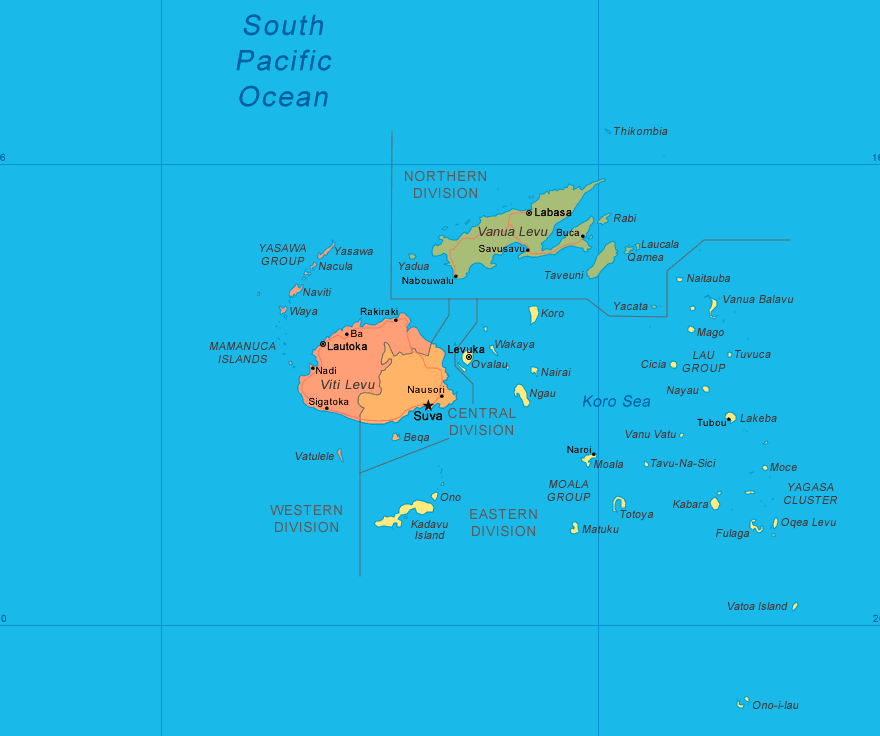
Fiji is an archipelago made up of more than 330 islands and 500 smaller islets, 110 of which are inhabited, though 87% of that inhabitancy rate is on the two largest main islands: Viti Levu and Vanua Levu.
They are some of the most magical islands you could possibly visit, which is why so much filming is done there, including the movie “Castaway”, “Survivor”, and “Love Island” (to name a few) and nearly 1 million people visit every year.
If you love kind people, pristine beaches, soft white sand, and crystal clear waters, then Fiji is a “must see”.
The below information is a complete guide of the best places to stay, the top rated places to dine and drink, and all there is to see and do. We’ve also included transportation tips, as well as a summary of the history of this beautiful city!
Jump To:
Where to Stay
Choosing where to stay comes down to what you’re looking for in your Fijian experience. For example, the InterContinental Fiji is 1 hour and 15 minutes away from the airport but affords you an incredible, private experience from end-to-end. If you don’t leave the resort, you won’t care. If you’re looking for more restaurants and things to walk to for variety, Port Denerau is 30 minutes from the airport and affords a different experience. As for other islands listed below, it will require you taking transportation to Port Denerau and a ferry ride (the times vary depending on island).
InterContinental Fiji Golf Resort & Spa by IHG (MAIN ISLAND)
Located on the southwestern corner of the main island, the InterContinental Fiji is considered the best luxury resort on the island with a PGA golf course, 20 miles of walking paths, miles of soft sand beaches, an award-winning spa, top-rated restaurants, spacious suites and a whole lot more.
For two people who are not great at relaxing, Fiji certainly changed that. It’s easy to spend the days lounging on your private balcony with a good book, at the adult pool with Fijian spiced rum and pineapple juice, the day beds in hidden areas, or any number of lounges. There’s also a putting course, a gym, tons of family-friendly activities (cooking classes, bee-keeping, jewelry-making and more), and great live music.
When we arrived, we were greeted with a very energetic “BULA!” (welcome), a necklace of shells, and a welcome drink. You also don’t touch your luggage the minute you arrive - it will be in your room after you check in.
As for the room, what an amazingly pleasant surprise! We had a corner room (2724) with the best ocean and sunset views. It was a short walk to nearly everything and if you don’t feel like walking, they have golf carts continuously on the paths, offering rides.
Next, the staff. In all our years of travel, all over the world, Fijians are the loveliest people we have ever met. They are so kind, upbeat, and genuinely want you to have a good time in their homeland. At the InterContinental, they remember everyone’s name, will surprise you in the most amazing ways for your celebrations (we were celebrating our wedding anniversary and our birthdays), and will quietly remember any feedback you share, implementing it the next time around.
If you are coming from the U.S., this is one of the most inexpensive luxury vacations you can take and we highly recommend it to anyone!
TIP: Get the New Zealand ice cream from the stand across from Toba Bar and Grill - the Manuka Honey and Fig are amazing!
OTHER RECOMMENDATIONS:
Castaway Island (Qalito Island - it’s possible to stay there when they are not filming)
Coconut Beach Resort (Tavewa Island)
Emaho Sekawa Retreat (Savusavu Island)
Kokomo Private Island Resort (Yaukuve Levu Island)
Likuliku Lagoon Resort (Malolo Lailai Island)
Lomani Island Resort & Spa (Malolo Lailai Island)
Mai Sunset Beach Resort (Naviti Island)
Matangi Private Island Resort (Matagi Island)
Namale Resort & Spa (Savusavu Island)
Nanuku Resort (Main Island)
Oarsman's Bay Lodge (Nacula Island)
Royal Davui Island Resort (Davui Island)
Sofitel Fiji Resort and Spa (Denarau Island)
Tadrai Island Resort (Mana Island)
The Remote Resort (Rainbow Reef Vanua Levu)
Tides Reach Resort (Tavenui Island)
Toberua Island Resort (Toberua Island)
Tokoriki Island Resort (Tokoriki Island)
Trilogy Villas (Denarau Island)
Where to Dine & Drink
Navo is the upscale restaurant at the InterContinental Fiji and serves some of the most beautiful, delicious, and authentic Fijian cuisine at the resort. With two birthdays being celebrated, we were lucky to dine there twice and be celebrated by the staff both times.
We highly recommend anything on the menu!
Other RECOMMENDATIONS
KOKO (Sofitel Hotel - Denarau Island - 1 hour away from Natadola) - Fijian Cuisine
La Bottega (Wailoaloa Beach, Nadi) - Italian cuisine
Madame So (Sofitel Hotel - Denarau Island- 1 hour away from Natadola) - Vietnamese cuisine
Malamala Beach Club (Mamanuca Islands - 1.5 hours away from Natadola) - Pacific-inspired à-la-carte menu
Nadina (Denarau Island - 1 hour away from Natadola) - Authentic Fijian cuisine
Sails@Denarau (Denarau Island- 1 hour away from Natadola)- Inspired by our favorite home dishes and curated with the use of fresh local seafood and ingredients.
Waitui Bar & Grill (Denarau Island - 1 hour away from Natadola)
Wicked Walu (Warwick Island) - Seafood
Things to See & Do
Historical Exploration
Ancient Trails Safari
Ancient Trails is one of our unique and exclusive safaris that will take you off-road in the highlands of Viti Levu. Our first stop offers you a view of the Ancient Trails from the Nausori Highlands, which is 362 meters above sea level. It is said that this ancient trail existed over three thousand years ago, stretching beside the Garden of the Sleeping Giant and crossing through the mountains of Nagado to Bukuya where this off-road safari will take you. Finally, you will get to visit Navala, the most picturesque village in Fiji, which still maintains its traditional bures (traditional thatched huts) from over 200 years ago.
Fiji Culture Day Tour
Experience the culture of Fiji. Enjoy a Jungle Bush Walk or just laze on the beach, catch some sun, and look at the magnificent island scenery. Watch as the staff climbs the coconut tree to retrieve coconuts, and then take part in the juice-tasting demonstration fresh from the coconuts.
Guests then meander over to the Lovo pit where Fijian traditions and cooking Lovo style is explained. When the food is taken out of the Lovo the Fijian warriors walk the hot stones and coals then it’s on to a fresh healthy lunch consisting of garden salad, chicken, ham, and fish all served buffet style.
Fiji Island Cultural Experience
This cultural day trip to the Yasawa Islands offers a unique opportunity to immerse yourself in the rich traditions and vibrant culture of Fiji. Engage with a local community and experience the natural beauty of the Yasawa Islands (Kuata Island). This unforgettable journey promises to be both educational and enjoyable.
Half Day Nadi Discover Tour
This tour is compromises of visiting Fiji’s largest Hindu Temple in the Southern Hemisphere, touring the vibrant Namaka Market and historical Vesisei Village, exploring the beautiful Garden of Sleeping Giants and finally Vuda Look-out.
Jewel of Fiji Waterfall & Village Tour
Travel to the Adventure Capital district of Fiji, Pacific Harbour, and experience river canoeing, a magic waterfall swim, and a Fijian village tour. After being picked up from the hotel, you’ll travel to the Adventure Capital district of Fiji, Pacific Harbour. An exhilarating cruise up to the beautiful Navua River, past villages, farmlands, pristine tropical rainforest, deep gorges/canyons, meandering rapids, and numerous cascading waterfalls. With that, one also gets a chance to witness wild river ducks, white and black herons, and other native birds. Navua River’s Biggest Waterfall is a five-minute walk into the wilderness to get to the first pool. Tour guides are available to help to get to the bigger waterfall for those who are looking for more adventure.
Upon arrival, a Fijian Warrior will escort you to the village meeting house (Bure). A customary welcome yagona (kava) ceremony will be performed, this sacred ceremony is only performed for visiting high chiefs or very important visitors. Experience the age-old customs and traditions of the village, followed by the history of the establishment of the village by Englishman John Humphrey Danford in the early 1800s. Explore the war dance performance by the young men of the village, native root crops, fruits, and vegetables, and join in ”taralala & tuboto“(Snake dance) and other interesting activities.
Sailing
Beachcomber Island Fiji Day Cruise
Circle the island on this full day cruise in Fiji, and then leave your footprints in the sun-warmed and silky sand. Blue skies, summer days all year round. It’s the kind of place that will refresh you; it’s where doing nothing has become an art form. Situated on a picturesque marine sanctuary in the heart of the Mamanuca Islands, Beachcomber Island Resort is just 19 km from Nadi International airport. It’s an island that’s easy to get to yet so very hard to leave! Beachcomber Island is the perfect island destination in Fiji. It is unique, spectacular, and fun. If you love a great time in the sun with great company in a casual, relaxed atmosphere, then this is the place for you.
It is perfect for those looking for fun in the sun and extensive marine activities.
Captain Cook Cruises Island and Reef Day Sail – Kadavu Lailai
The experience begins the moment you step on board, with morning tea and live Fijian entertainment during the scenic 60-minute sail to the island. Once at Kadavu Lailai, you'll have five hours to unwind on the pristine white sand beach-complete with shaded areas-or enjoy activities such as snorkelling through vibrant coral gardens, kayaking, stand-up paddleboarding or taking a guided nature walk. Or, simply relax and soak in the breathtaking views.
For an additional cost, you can enhance your day with scuba diving, massages or a private cabana. There's also an optional excursion to the exclusive Treasure Sand Bar and Reef. A delicious BBQ lunch is included, along with wine, beer, and soft drinks.
Castaway Island Resort Day Trip
Cruise out to Castaway Island on our high-speed catamaran and see the beauty of the resort stretching before you as you are welcomed ashore. Laze in the sun beneath swaying palms at one of their two beaches and enjoy snorkeling in the crystal-clear waters over coral reefs straight off the beach.
The resort facilities include two fresh-water swimming pools, three bars, a resort boutique, an island massage and a range of water sports equipment (motorised and non-motorised all at an additional cost) as well as an optional Kids Club (additional cost). On the cruise there and back from Port Denarau, take in the sights of the other islands in the Mamanuca group.
Cruisin Fiji – Full Day Cruise
At 9:00 am you depart from Port Denarau and start your cruise through the exotic Mamanuca group of islands, be ready there is plenty of stops along the way for a quick swim or snorkel! One of these stops is at Modriki Island where you will be able to explore, swim, and snorkel around this famous island where the movie Cast Away starring Tom Hanks was filmed.
Enjoy swimming and snorkeling, enjoy an authentic village tour, a delicious Fijian lovo lunch, and refreshing beverages throughout the day.
Our Experience on Check-In: Coming from Natadola, transportation will be arranged, but note it’s 1 hour and 15 minutes away, so you’re leaving at 7:20am from the InterContinental. Once to the port, there are restrooms available, shops, bars and restaurants. However, the next step is to check in with the cruise company. Once you’ve done that, you are shown to where your group gathers and wait for the guide.
Our Experience on Board: You are basically on a catamaran commercial vessel with a very rudimentary bathroom. They provide beer, wine, bottled water, and snacks. They also provide all snorkel gear but NOT TOWELS, so you must bring your own. It was a beautiful ride out to the outer islands.
Our Experience With the Stops: If you’re not a snorkeler (like me - the water was freezing in August), there are plenty of viewing points on the boat, though expect to be at each of the two snorkel spots for a long time. When you get to Castaway Island (in our case, it was where they filmed Survivor as Love Island was actively filming on Castaway), they set up a full Fijian lunch with mats to sit on. THERE ARE NO BATHROOMS ON THE ISLAND. And, since the boat requires a dinghy to get people to and from it, that bathroom is off limits. You are on that island for over an hour - plan accordingly!
If You Have Celiac: The lunch has plenty of options as most of it is naturally gluten-free, but the snacks they provide are not. Definitely bring your own snacks with you.
Malolo Island Cruise
Cruise from Port Denarau through the Mamanuca Islands taking in the sights and calling in at other islands en route to Malolo Island Resort. After cruising through the islands, guests will be welcomed ashore at this multi-award-winning resort where the friendly Fijian culture is evident from the moment they step foot on the island. Then they’re free to enjoy this fabulous resort where they can take a swim, laze around one of their pools or go snorkelling before lunch. The island offers fantastic scenic walks with magnificent views out over the Mamanuca Islands. Perhaps enjoy a drink at the Beach Bar before lunch overlooking the pools and gardens.
Mana Island Day Cruise
Discover Mana Island. Cruise out through the beautiful Mamanuca Islands en route to Mana. Meander in through the lagoon and then step ashore to enjoy the delights of this wonderful island. Mana Island is an extensive resort with three separate beach areas, crystal clear waters, shady palms, poolside bars, and lounges.
Nukuramase Sandbank
Embark on a journey to Nukuramase, starting with a return transfer followed by a boat ride. Upon arrival, enjoy access to a secluded beach, where you can relax, swim, and experience the natural beauty of the area.
Serenity Island Resort Day Cruise
Cruise from Port Denarau through the Mamanuca Islands taking in the sights and calling in at other islands enroute to Serenity Island Resort. Customers will enjoy the serenity of this 48-acreprivate island resort situated in the turquoise blue waters of the Mamanuca Islands where the friendly Fijian culture is evident from the moment they step ashore. Customers are free to enjoy the many facilities on offer at the resort where they can swim, laze around the resorts pool or choose to make use of the resorts non-motorised watersports equipment (kayak””s, standup paddleboards, snorkelling equipment) or enjoy fish or turtle feeding. The island also offers a spa (additional charges apply).
South Sea Sailing
Cruise through the Mamanuca Islands with the day’s itinerary dependent on the warm tropical breezes and sea conditions, creating a one-off experience every day.
The 78-foot custom-built sailing catamaran, SABRE, has large shaded canopies with a range of seating options from bean bags to booths, there is plenty of room to enjoy the idyllic islands and atolls of these beautiful islands. Enjoy an experience like no other on Fiji’s newest day trip.
The Mamanuca Islands of Fiji are situated just off the coast of Nadi and are within easy access to Port Denarau. On this day sailing experience, you will sail around this beautiful group of islands stopping at deserted sand cays to swim and relax on the sand and stopping at abundant tropical reefs. With snorkelling gear provided and easy access off the front of SABRE via stairs or a slide, this is the best way to see these islands and take home memories to last a lifetime.
Yasawa Island Explorer
The remote Yasawa Island group consists of a chain of 20 ancient volcanic islands, some with dramatic summits just short of 600 metres. The pristine beaches are surrounded by crystal-clear lagoons. You’ll see a more traditional Fijian way of life and enjoy Fiji at its best!
Unique Experiences
Malamala Beach Club
Surrounded by Fiji’s famous crystal-clear waters, Malamala Beach Club is the world’s first beach club located on its very own island, situated just 30 minutes from Port Denarau. Perfect for those looking for things to do in Fiji, you can enjoy the beach club with a day pass and experience white sand beaches, Beachside Cabanas, a resort-style infinity-edge pool and the Adults' Only plunge pool, and views across the Mamanuca Islands from Fiji’s best-located island. Malamala Beach Club offers a delicious Pacific-inspired à-la-carte menu, an array of hand-crafted cocktails, and a club-like atmosphere with upbeat tunes all day long.
Depending on the price level you select, it will include transfers, the boat ride, cabanas/day beds, and more.
TIP: To book transfers from outside their mileage range, click here.
Heli Tours – Fiji Helicopter Tour
Experience the beauty of Fiji from the sky! An amazing, breathtaking journey and a great opportunity to see our islands from a different perspective.
There are several different tours to choose from.
Off-Road Cave Tour
Journey across the mighty Sigatoka River known to be the longest river in Fiji and then head up inland to see more of the beauty of Fiji’s interior and learn more about the cannibalism history of Fiji’s largest cave system, the Naihehe Cave. Naihehe Cave was home to the ‘Sautabu’ people during the days of tribal warfare. After exploring and learning all about the Naihehe Cave, you will proceed to the priest’s house where a mouth-watering barbeque lunch complete with fresh fruit and juice awaits you.
River Tubing
A perfect Adventure for all ages on the scenic and pristine Navua River. Boat ride up the Navua River, through meandering rapids, passing cascading waterfalls, tropical rainforest, and a deep gorge. Fijian Village visit, plantation walk, waterfall swim, riverside lunch, and tubing downriver, interspersed with gentle rapids.
Robinson Crusoe – Sunset Dinner Cruise & Show
Start your tour with a calm water Sunset Cruise down the Tuva River. After a big “Bula” welcome onto the island, you can join in the sing-a-long by the beach bonfire while capturing the last moments of the setting sun. during your time on the island, you will learn about many of Fiji’s cultural rituals including the unearthing of the ”lovo” earth oven and the fire walking demonstration. After dinner, you will be entertained with a historical Pacific culture dance show featuring Fiji’s best fire and knife dancers. The exhibit culminates in a heart-stopping acrobatic fire display by the ocean. A truly captivating experience that is not to be missed!
Your evening commences with a 45-minute coach transfer to the Robinson Crusoe Island Jetty in Natadola, where you will connect with the vessel that will depart at 5:00 p.m. for a 30-minute jungle river cruise to the protected lagoon. You will return from the island around 9:15 p.m. before being transferred back to your hotel.
Skydive Fiji -Tandem Sky Dive
Experience the ultimate thrill. Skydive Fiji is operating from Nadi and jumping onto Denarau Island. We are the only skydiving operation in Fiji. Tandem skydiving is the best way to introduce yourself to the skydiving world. It is the safest, easiest and most enjoyable way to do your first skydive.
Upper Navua River Rafting
The Upper Navua River boasts more waterfalls than any tour in Fiji. Knowledgeable guide, fun whitewater, exotic birds, unusual fish and incredible scenery will combine for an experience you will not soon forget. If you have specific dietary needs please let us know and they will do our best to accommodate you.
Vunivesi Bilibili Rafting
Experience traditional Fijian transportation with a Bilibili rafting adventure. Navigate the river on a bamboo raft, steered by a local guide using a long pole. This serene journey offers glimpses of waterfalls and mangrove thickets.
Walking Tours
Nadamole Healing Pools & Village
Visit Nadamole Village and immerse yourself in local traditions. The highlight is the Nasaseru healing pool, which is believed to have medicinal properties. Guests can enjoy a dip in the fresh waters and participate in cultural activities.
Nakawaga Rainforest Walk & Waterfall
Take a guided hike through the lush rainforest to the Nakawaga Waterfall. The trail offers views of diverse flora, leading to a 50-foot waterfall cascading into a clear pool, perfect for a refreshing swim.
Vuadomo Village & Waterfall
Nestled in the heart of our enchanting village Muanivatu, lies a natural wonder that beckons explorers and nature enthusiasts from across the globe – the breathtaking Vuadomo Waterfall. This hidden gem is a testament to our homeland’s raw, untouched beauty, offering an unforgettable experience for those seeking tranquility, adventure, and a deep connection with nature.
How to Get Around
Getting to/from the airport
The best and most convenient way to get to/from the airport is using Rosie Holidays. You can reserve spots on a rented coach or secure private transfers, which is what we did (although pricier).
To get to/from InterContinental Fiji, it’s a little over an hour ride, which can take longer on Fridays.
To get to/from Port Denerau, it’s 20-30 minutes.
Getting to/from destinations across Fiji
Car Rentals
Renting a car will afford you more freedom than hiring drivers and shared rides. Click here to book your rentals. NOTE: If you are unaccustomed to driving on the left-hand side of the road, you may be better off allowing locals to take you where you need to go.
A History Summary
150 million years ago - The majority of Fiji's islands were formed through volcanic activity.
1,500–1,000 BC - Lapita people (ancestors of the Polynesians) settled in the islands
900 BC - 600 BC - The Melanesians are thought to have settled on the island of Moturiki.
10th century - The Tu'i Tonga Empire was established in Tonga, and Fiji came within its sphere of influence.
1643 - Dutch explorer Abel Tasman was the first known European visitor to Fiji, sighting the northern island of Vanua Levu and the North Taveuni archipelago.
1774 - James Cook, the British navigator, visited one of the southern Lau islands.
1789 - William Bligh, the castaway captain of HMS Bounty, charted and plotted the islands.
19th century - In order colonize Fiji into a more “moralistic” place (according to historians), stories of extreme cannibalism were often spread to put fear in the locals.
1804 - The discovery of sandalwood on the southwestern coast of Vanua Levu led to an increase of Western trading ships visiting Fiji.
1810 - 1813 - Kalle Svenson (a Swede), better known as Charlie Savage, and his firearms were recognized by Nauvilou, the leader of the Bau community. Charlie was permitted to take wives and establish himself in a high rank in Bau society, in exchange for helping defeat local adversaries with his firearms. In 1813, Charlie was killed in a botched raid.
1820s - The traders returned for sea cucumbers and Levuka (the island of Ovalau) was established as the first European-style town. Local Fijians were utilized to collect, prepare and pack the product which would then be shipped to Asia. In exchange, they were often given firearms and ammunition and by the end of the 1820s, most of the Fijian chiefs had muskets and many were skilled at using them.
1830s - Christian missionaries arrived from recently converted regions, such as Tonga and Tahiti. The Fijians were forced to adopt more Christian ways, i.e. cutting their hair, wearing different clothes, as well as marriage and funeral practices.
1840s - The European settlement at Levuka had grown to about 40 houses with former whaler, David Whippey, being a notable resident. Also, a surveying party from an expedition, led by Charles Wilkes, had a skirmish with the people of Malolo island, resulting in a lieutenant and a midshipman being killed. Wilkes retaliated and killed around 87 people on the island.
1848 - The Tongan Prince Enele Ma'afu, a Christian, had established himself on the Island of Lakeba, forcibly converting the local people to the Methodist Church.
1849 - John Brown Williams had his trading store looted, following an accidental fire, caused by stray cannon fire during a Fourth of July celebration.
1850s - Seru Epenisa Cakobau, a warlord, declared war on the Christians, though was unsuccessful.
1853-1854 - The European settlement of Levuka was burnt to the ground,of which Cakobau was blamed, resulting in the U.S. wanting retaliation. Cakobau gave up and converted to Christianity - all other temples were then destroyed.
1855 - When John Williams' Nukulau Island house was subjected to an arson attack with compensation demanded for it by the U.S. Navy. Cakobau had to admit responsibility and promise to pay the debt, or else face punishment from the United States Navy.
1858 - Cakobau was still unable to pay his debt to the U.S. Navy and also faced increasing encroachments onto Viti Levu's south coast from Ma'afu and the Tongans. It forced him to sign a document to cede the islands to Britain with the understanding that it would protect him from both the extortion of the US and the incursions of the Tongans.
1860s - The rising price of cotton, in the wake of the American Civil War (1861–1865), saw a flood of hundreds of settlers come to Fiji (mostly from Australia and the U.S.) to acquire land and grow cotton, though most of these acquisitions were by force, trade, and/or violence.
1862 - After four years of consideration, the British government chose not to approve the annexation. They concluded that Fiji was too isolated and had no clear prospect of being profitable to the Empire and that Cakobau was just one chief among many who did not have the authority to cede the islands.
1865-1911 - The cotton settlers proposed a confederacy of the seven main native kingdoms in Fiji to establish some sort of government. This was initially successful and Cakobau was elected as the first president of the confederacy. In addition, Ben Pease received the first license to transport 40 laborers from the New Hebrides to Fiji in order to work on cotton plantations. Thousands of American and Australian planters flocked to Fiji to establish plantations and the demand for cheap labor (slavery) boomed. In 1911, it became prohibited by law as during that 46-year period, 45,000 Islanders were taken to work with approximately a quarter of these dying while under their term of labor.
1867 - Thomas Baker, a traveling missionary, was killed by Kai Colo (a clan) in the mountains at the headwaters of the Sigatoka River. The acting British consul, John Bates Thurston, demanded that Cakobau lead a force of Fijians from coastal areas to suppress the Kai Colo. Cakobau complied but suffered a humiliating loss with 61 of his fighters being killed. Eventually, Cakobau not only lost his position as head of the confederacy, but the confederacy itself collapsed.
1868 - The Polynesia Company sent settlers to 222 sq. mi. of land near Suva and were joined by other planters who went further up the Rewa River to establish their properties. The eastern section of Kai Colo were unhappy, so Australian Navy reinforcement was called in. It led to a few deaths and some settlers’ homes being burned. In addition, the Acting British Consul in Fiji, John Bates Thurston, introduced a licensing system for the labor vessels whereby Melanesian laborers were recruited for a term of three years at a rate of three pounds per year and issued with basic clothing and rations. After those three years, they were to be shipped back to their villages but often ended up some distance away.
1870 - There were around 2500 white settlers in Fiji and the need to form a government was apparent. Ma'afu had established a stable administration in the Lau Islands that gave favorable land leases to the planters. Lomaloma became an important trading center to rival Levuka.
1871 - George Austin Woods, an ex-lieutenant of the Royal Navy, managed to influence Cakobau and organize a group of like-minded settlers and chiefs into forming a governing administration. This new government was complete with a House of Representatives, Legislative Committee and Privy Council. Cakobau was declared the monarch (Tui Viti) and the Kingdom of Fiji was established. The kingdom quickly established taxation, land court and policing systems, together with other necessary elements of society, such as a postal service and official currency. During this year, the Kai Colo were not only active, but also highly destructive in colonized towns as a form of revolt against organized government.
1872 - The Pacific Islanders Protection Act was passed by the British government. It was meant to improve the conditions for the Islanders but instead, it legitimized the labor trade and the treatment of the enslaved Islanders.
1873 - The Burns family were killed by a Kai Colo raid in the Ba River area. The Cakobau government deployed 50 King's Troopers to the region to restore order, in addition to the locals’ other joining military, stormed into Kai Colo villages, burned them to the ground, took about 1000 of the prisoners (men, women and children) and sent them to Levuka where some were hanged, and the rest being sold into slavery. However, in this same year, the British Consul to Fiji, Edward March, outlined how the laborers were treated as slaves.
1874 - The British annexed Fiji.
1875-876 - The year of the catastrophic measles epidemic, the chief medical officer in Fiji, Sir William MacGregor, listed a mortality over 40,000 Fijians. As a result, slavery ended up expanding with mass importations of some Indian clans.
1877 - The establishment of the Western Pacific High Commission further legitimized slave trade by imposing British authority upon most people living in Melanesia, though a lot died in travel.
1879 - 1916 - The transport of Indian indentured laborers (61,000 in total) to Fiji commenced. The Indians would come on a five-year contract, after which they could return to India at their own expense or, if they chose to renew their contract for a second five-year term, they would be given the option of returning to India at the government's expense or remain in Fiji. The great majority chose to stay.
1880-1973 - The Colonial Sugar Refining Company made major investments in the Fijian sugar industry around with much of the labor being provided by workers from New Britain.
1890 - The number of Melanesian laborers declined in preference to imported Indian indentured workers, but they were still being recruited and employed in such places as sugar mills and ports.
1901 - 1902 - Islanders continued to be sold in Fiji for £15 per head and it was only in 1902 that a system of paying monthly cash wages directly to the workers was proposed.
1906-1911 - Islander laborers were expelled from Queensland with around 350 transferred to the plantations in Fiji. When that system of recruitment ended in 1911, they were allowed to settle in Fiji.
1914 - 1946 - Apolosi Nawai came to the forefront of Fijian Tuka resistance by founding a co-operative company, Viti Kabani, that would legally monopolize the agricultural sector and boycott European planters - it was very successful. The British and their proxy Council of Chiefs were not able to prevent the Viti Kabani's rise, though Apolosi and his followers were arrested in 1915 and the company collapsed in 1917. Over the next 30 years, Apolosi was re-arrested, jailed and exiled, with the British viewing him as a threat, right up to his death in 1946.
1934 - The halfpenny, penny, sixpence, shilling, and florin denominations began production. Prior to this year, British currency was used.
1941 - The United Kingdom had reversed its policy of not enlisting natives, and many thousands of Fijians volunteered for the Fiji Infantry Regiment. The regiment was attached to New Zealand and Australian army units during the war. In this same year, the attack on Pearl Harbor happened and Fiji was selected as a training base for the allies. An airstrip was built at Nadi (later to become an international airport), and gun emplacements studded the coast.
1951 - The last indentured servant repatriation to Calcutta ship set sail. A total of 39,261 laborers left Fiji.
1953 - After World War II, Fiji began to take its first steps towards internal self-government. The Legislative Council was expanded to 32 members, 15 of them being indigenous Fijians, Indo-Fijians, and Europeans). Queen Elizabeth II made her first royal visit.
1955 - 1956 - Three ships brought Indian labourers from Fiji to Sydney, from where the laborers flew to Bombay.
1963-1964 - The United Kingdom divested itself of its Fijian colonies, which meant Fiji needed to take steps towards responsible government (including the women’s right to vote). This meant implementing a Member System that gave representatives authority to act like ministers. Queen Elizabeth II made her second royal visit.
1965 - A constitutional conference was held in London to discuss constitutional changes with a view to introducing responsible government.
1967-1970 - The establishment of a cabinet system in 1967 led to a second constitutional conference in London, in 1970, at which Fiji's Legislative Council agreed on a compromise electoral formula and a timetable for independence as a fully sovereign and independent nation with the Commonwealth. They became independent in October 1970 with a third visit of Queen Elizabeth II that same time.
1987 - Democratic rule was interrupted by two military coups precipitated by a growing perception that the government was dominated by the Indo-Fijian (Indian) community. The second 1987 coup saw both the Fijian monarchy and the Governor General replaced by a non-executive president and the name of the country changed from Fiji to Republic of Fiji.
1990 - The new Constitution institutionalized ethnic Fijian domination of the political system. The Group Against Racial Discrimination (GARD) was formed to oppose the unilaterally imposed constitution and to restore the 1970 constitution.
1992-1997 - Sitiveni Rabuka, the Lieutenant Colonel who had carried out the 1987 coup, became Prime Minister following elections held under the new constitution. Three years later, Rabuka established the Constitutional Review Commission and in 1997, wrote a new constitution, which was supported by most leaders of the indigenous Fijian and Indo-Fijian communities. Fiji was re-admitted to the Commonwealth of Nations.
1999 - The first legislative elections held under the new 1997 Constitution took place. Rabuka's coalition was defeated by an alliance of Indo-Fijian parties led by Mahendra Chaudhry, who became Fiji's first Indo-Fijian Prime Minister.
2000 - Another coup took place, instigated by George Speight, which effectively toppled the government of Mahendra Chaudhry (members of parliament were held captive for eight weeks). Commodore Frank Bainimarama assumed executive power after the resignation of President Ratu Sir Kamisese Mara. Later this same year, Fiji was rocked by two mutinies when rebel soldiers went on a rampage at Suva's Queen Elizabeth Barracks.
2001 - The High Court ordered the reinstatement of the constitution and a general election was held.
2005 - The Laisenia Qarase (acting Prime Minster) government proposed a Reconciliation and Unity Commission with power to recommend compensation for victims of the 2000 coup and amnesty for its perpetrators.
2006 - Commodore Frank Bainimarama handed down a list of demands to Qarase after a bill was put forward to parliament, part of which would have offered pardons to participants in the 2000 coup attempt. He gave Qarase an ultimatum date to accede to these demands or to resign from his post. Qarase adamantly refused and the very next day, the president, Ratu Josefa Iloilo, was said to have signed a legal order dissolving the parliament after meeting with Bainimarama.
2007 - Bainimarama restored the presidency to Ratu Josefa Iloilo and in turn, was formally appointed interim Prime Minister by Iloilo the next day.
2009 - The Fiji Court of Appeal ruled that the 2006 coup had been illegal. This began the 2009 Fijian constitutional crisis. President Iloilo abrogated the constitution then reappointed Bainimarama under his "New Order" as interim Prime Minister, as well as imposed a "Public Emergency Regulation" limiting internal travel and allowing press censorship.
2013 - 2014 - A new Constitution was promulgated by the regime. It was won by Bainimarama's FijiFirst Party. In addition, the Commonwealth Ministerial Action Group voted to change Fiji's full suspension from the Commonwealth of Nations to a suspension from the councils of the Commonwealth, allowing them to participate in a number of Commonwealth activities, including the 2014 Commonwealth Games.
2021 - 2022 - Tui Macuata Ratu Wiliame Katonivere was elected the new President of Fiji by the parliament and the next year, Sitiveni Rabuka, the head of the People's Alliance (PAP), became Fiji's 12th prime minister to succeed Bainimarama.
Today - Fiji is recognized as one of the most developed economies in the Pacific. It boasts a rich, multicultural population (predominantly indigenous Fijian and Indo-Fijian), relies heavily on tourism, sugar exports, and water bottling, and is a strong voice for climate action on the global stage.
